
Last updated November 23, 2026
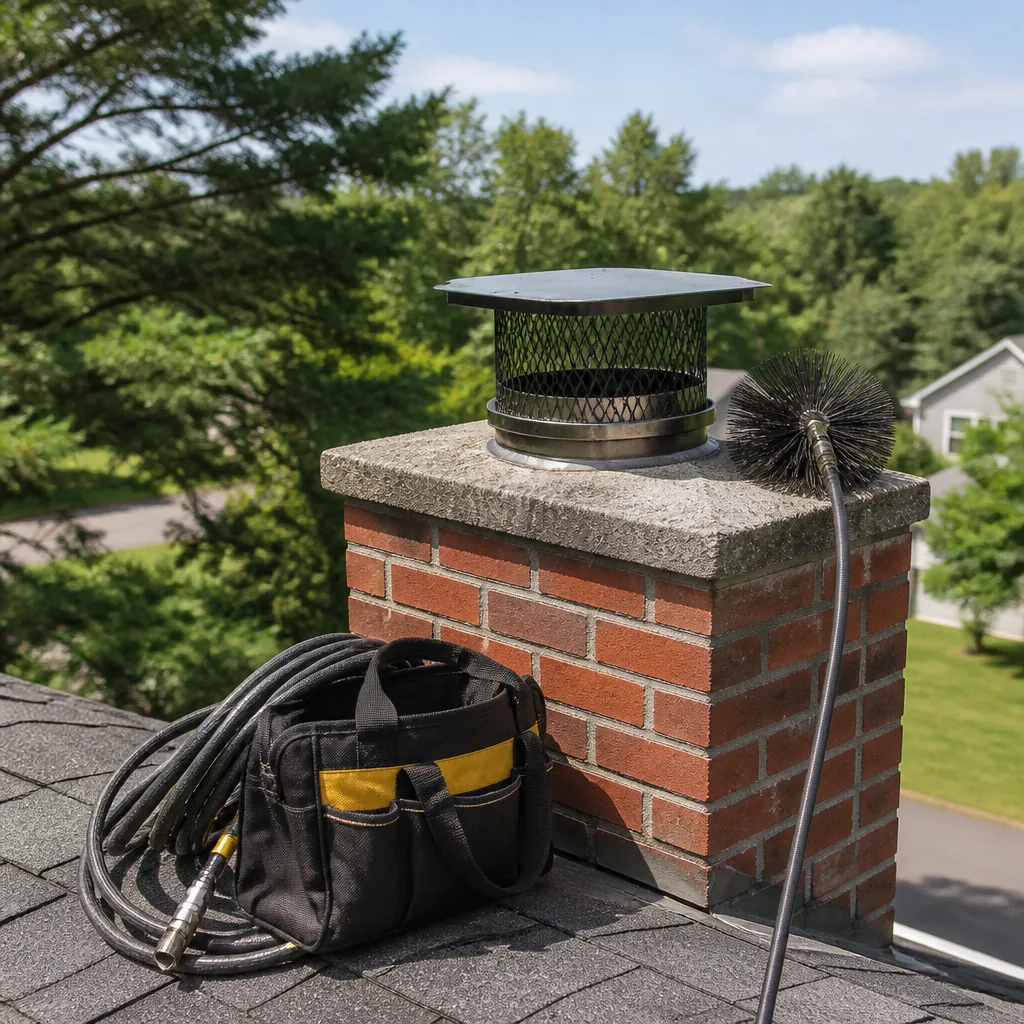 Sweep & inspection
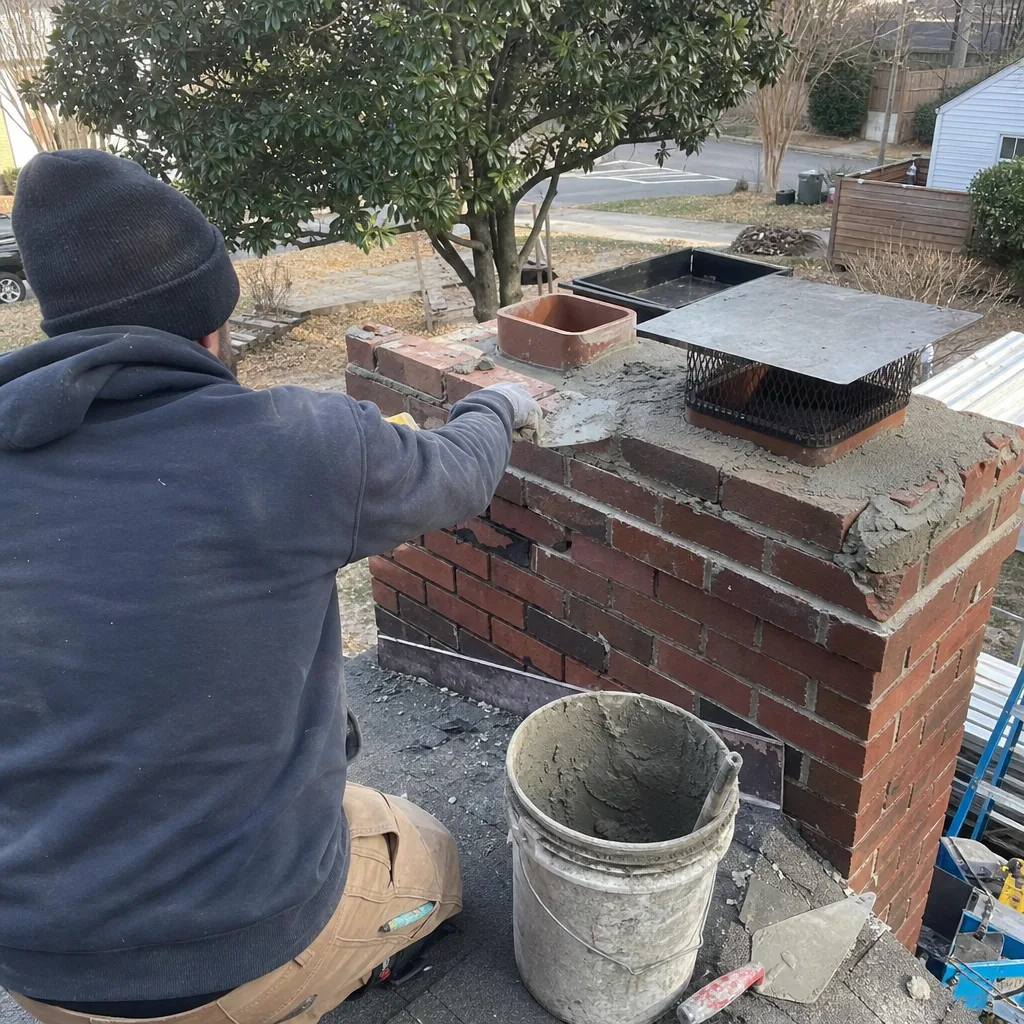
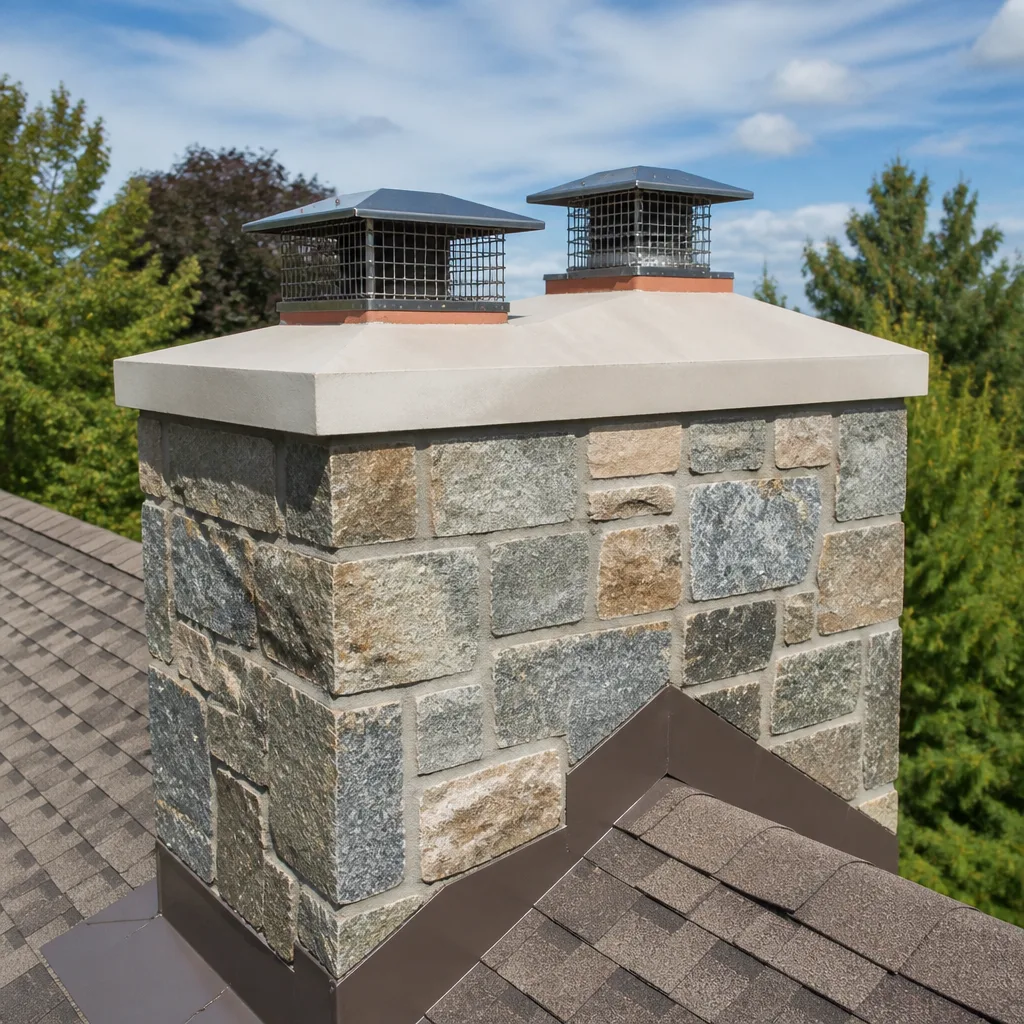 Caps & crowns
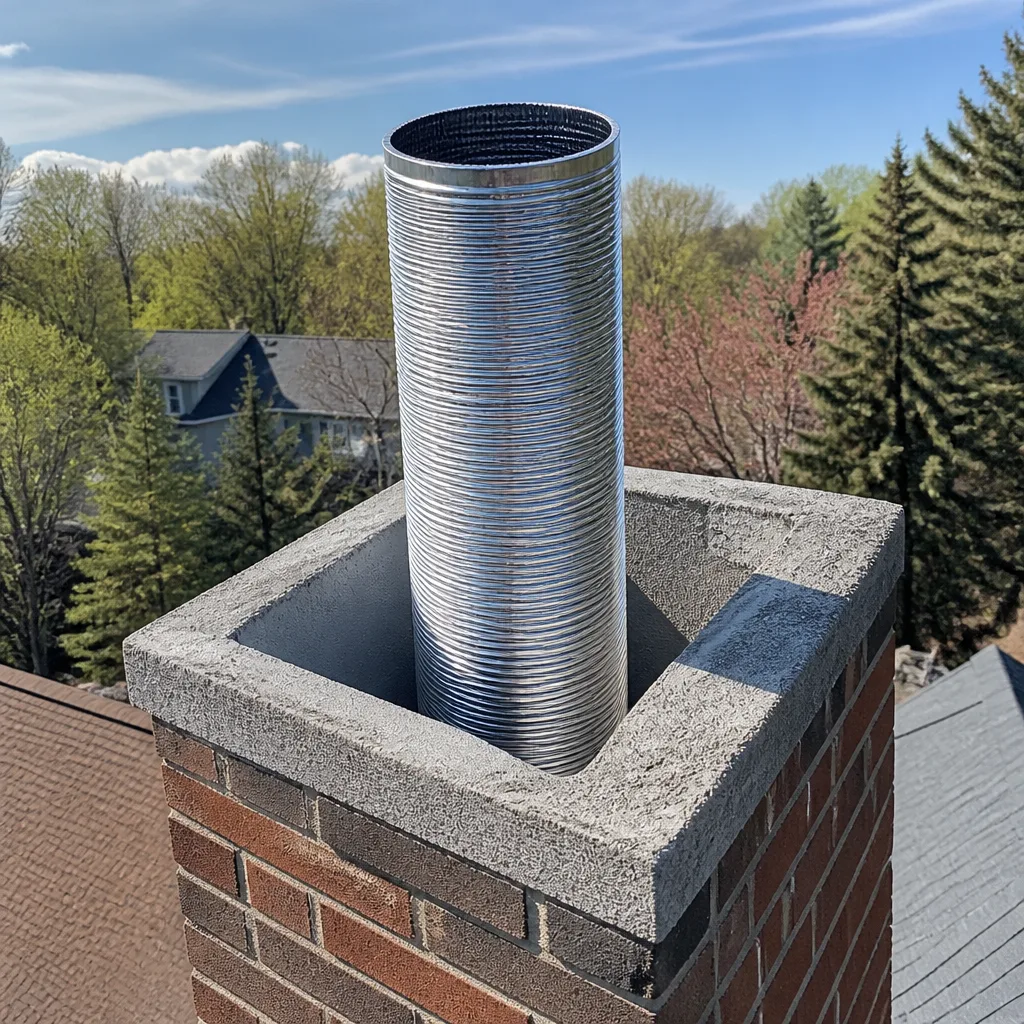 Flue relining
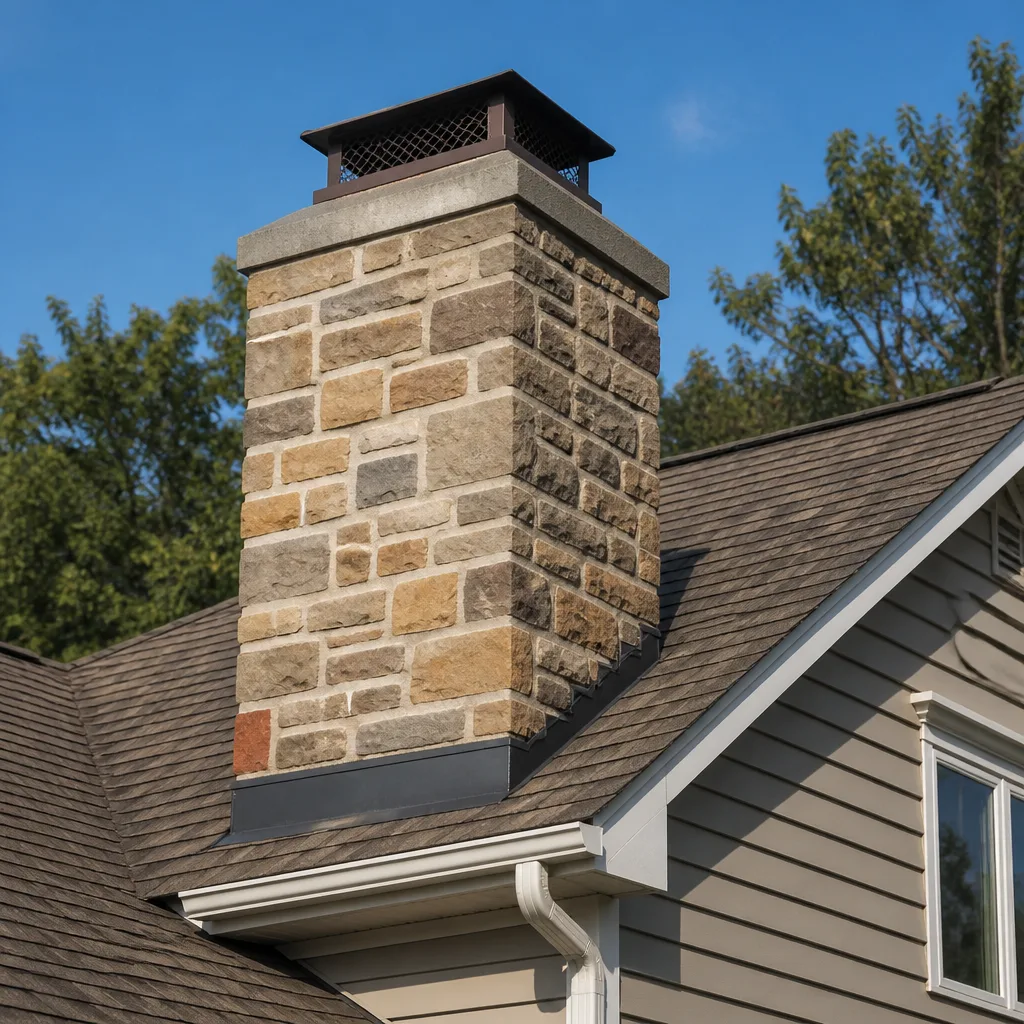 Masonry repair
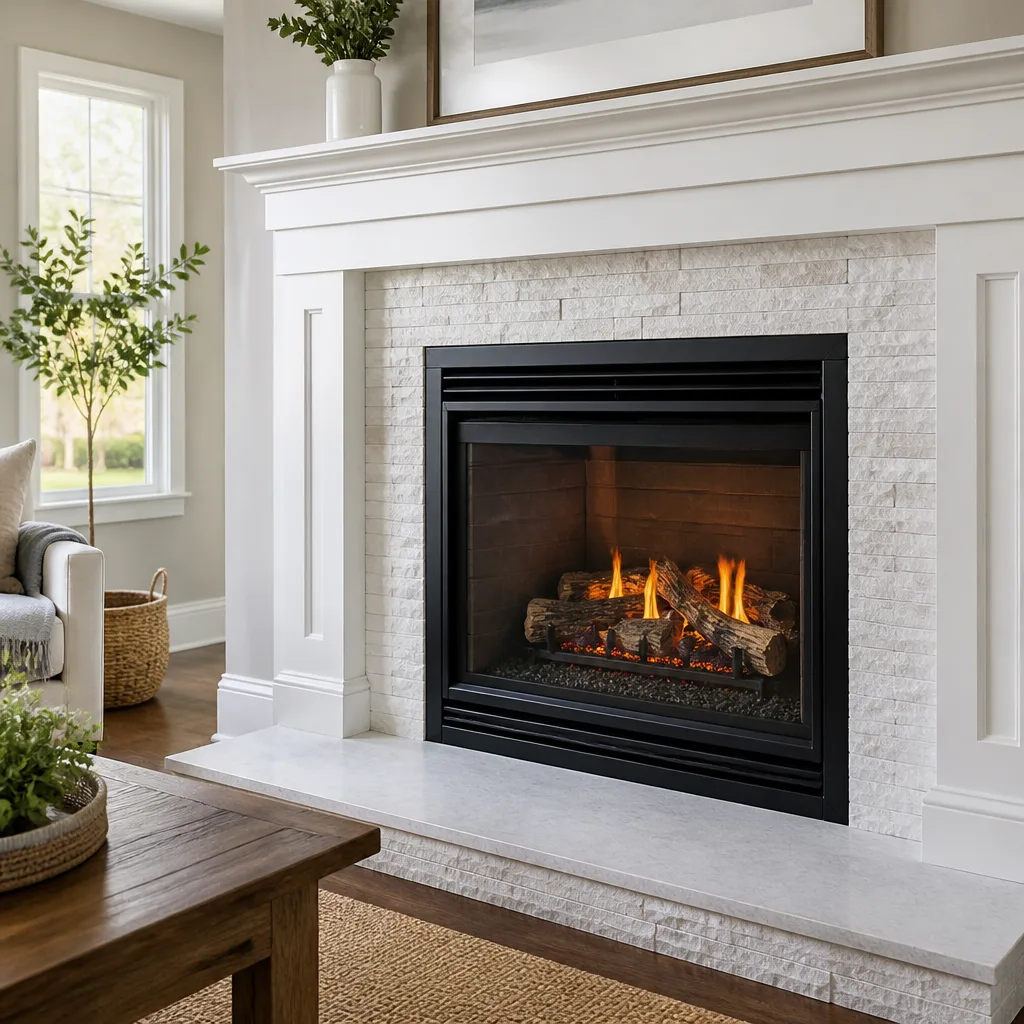 Gas fireplace service
Level 1 sweep and inspection to the NFPA 211 annual standard - flue, crown, cap, and flashing checked and photographed
Chimney sweep logs do not sweep chimneys. They loosen some creosote - which then falls where a brush and vacuum still have to collect it.
The Complete Guide to Chimney Cleaning in Southeast Raleigh
Most chimney fires don’t start from neglect. They start from homeowners who thought they were on schedule, but were following the wrong schedule for their actual burn habits and local wood supply. That’s a harder problem than laziness, and it’s the one we want to untangle here. Southeast Raleigh sits in a humid pocket of the Piedmont where clay-heavy soil holds moisture, summers run thick, and the hardwood sold around the Triangle burns hot and slow. Those three facts change what creosote looks like inside a flue and how often it needs to come out. Over the next few thousand words you’ll learn how to judge your own sweep schedule, what a real inspection involves, and what to expect when a technician is standing in your living room.
Styles & brands we work with
- Sweep & inspection
- Caps & crowns
- Flue relining
- Masonry repair
- Gas fireplace service
Quick Answer
A proper chimney cleaning in Southeast Raleigh means a full sweep of the flue with rotary or brush tools backed by an industrial HEPA vacuum, a visual check of the firebox through the damper, and a written report of what the technician found. Most wood-burning chimneys need this once a year, but the humid local climate and hard hardwood loads sold around the Triangle can push that to every 9 to 12 months for heavier burners. Gas fireplaces need an annual inspection even though they don’t produce creosote.
Table of Contents
- How often should a chimney be cleaned in Southeast Raleigh?
- Why the Southeast Raleigh climate changes creosote formation
- Local hardwoods and what they mean for your flue
- Level 1 vs Level 2 inspections: what actually happens
- Older masonry vs newer prefab fireplaces
- What to expect on-site during a sweep
- What chimney cleaning costs in Southeast Raleigh
- Fire, carbon monoxide, and why cleaning matters
- Common mistakes to avoid
- When to call a professional
- Frequently asked questions
How Often Should a Chimney Be Cleaned in Southeast Raleigh?
Once a year is the general rule, but Southeast Raleigh homeowners should treat that as a floor, not a fixed target. Frequency depends on three variables: how much wood you burn, how dry that wood is, and how much moisture the chimney sees between burns. A household that lights a fire three or four times a week from November through February will accumulate significantly more creosote than a homeowner who burns a dozen times over the season. The chimney doesn’t know the calendar. It only knows soot.
Here’s a practical way to think about your own schedule:
- Heavy burner (several fires a week, most of the season): sweep every 9 to 12 months, and check the flue visually in early winter.
- Moderate burner (a few fires a week, mid-season): once a year, ideally in the fall before the first burn.
- Light burner (a handful of fires a year): once a year is still the right interval, because creosote that sits through a humid Raleigh summer can soften and combine with moisture.
- Gas fireplace: annual inspection, no sweep unless the inspection turns up an issue.
- Wood stove insert: same schedule as a wood fireplace, but pay attention to the liner because inserts run hotter.
The professional standard most chimney technicians use is to clean when the creosote layer reaches roughly 1/8 inch. You can’t reliably measure that with a flashlight from the firebox, which is exactly why a proper inspection matters. If you’re due for one, the team at Chimney Sweep Southeast Raleigh handles chimney sweep work with a camera inspection included so you see what we see. Don’t guess at your own burn rate. Get the flue looked at and build a schedule from real data.
Why the Southeast Raleigh Climate Changes Creosote Formation
Creosote forms in three stages. Stage 1 is the flaky, easy-to-brush soot most homeowners picture. Stage 2 is a crusty, flakey layer that clings to the flue wall and takes rotary tools to remove. Stage 3 is glazed, tar-like, and often requires chemical treatment or liner work. In drier climates, Stage 1 dominates and households can sometimes stretch their sweep interval. In Southeast Raleigh, it’s Stage 2 that shows up more often than it should, and humidity is the main reason.
Raleigh summers sit at high relative humidity for months. Even a well-built chimney with a functioning cap will retain some moisture between seasons. That moisture doesn’t burn off cleanly the first time the fire is lit in October. Instead it combines with leftover soot and unburned wood gas on the flue wall, and the result is a denser, harder creosote layer that builds faster during the first few weeks of the burn season. This is why we’ve seen chimneys in Southeast Raleigh that produced more Stage 2 creosote in one season than a chimney in a drier state produced in two.
There’s a secondary factor: the soil. The clay-heavy soils common in older Southeast Raleigh neighborhoods hold water and drain slowly, so moisture wicks up through masonry foundations more easily during wet winters. That’s one of the reasons chimney crowns and caps matter so much here, and it’s why we treat chimney cap & crown work as part of the same conversation as cleaning. Water getting into the top of a chimney is a bigger long-term threat than most homeowners realize, and it’s the leading cause of masonry deterioration.
What this means for your schedule
Build your annual cleaning around the end of the burn season or the very start of fall, not in the middle of summer. Cleaning in late summer lets moisture sit in an emptied flue for weeks. Cleaning in early fall gets the creosote out before the flue sees another wet season, so the first fire of the year burns against a clean wall. Either late spring or early fall works, but the front end of the burn season is the safer habit for a humid climate like this one.
Local Hardwoods and What They Mean for Your Flue
What you burn matters as much as how often you burn it. The wood sold around the Triangle tends to run toward oak, hickory, and mixed loads, and each has a different creosote profile. Oak, especially red oak, is the workhorse cord wood in this region. It burns hot and long, but it also has a lot of volatile compounds that condense on a cool flue wall. Hickory burns hotter still and produces more heat per cord, which sounds ideal until you realize a hotter fire pushes more unburned gas up the flue before it can ignite. Seasoned softwoods (pine, cedar when they show up in mixed loads) burn fast and hot but leave more sap residue.
Here’s how the local wood affects your sweep schedule:
- Seasoned oak: the standard load. Expect standard creosote accumulation; the key is that the wood actually be seasoned (split and dried at least 6-12 months).
- Hickory: hotter and denser, good heat output, but you’ll want to make sure your flue has time to warm up before you close the damper too far.
- Mixed loads: hard to predict. If a load includes green wood or unseasoned pieces, creosote formation accelerates noticeably.
- Pine and softwoods: fine for fire-starters, not ideal as a primary fuel. More sap, more frequent flue checks.
- Fireplace logs (wax-and-sawdust type): minimal creosote, but they don’t heat like real cord wood and shouldn’t replace your normal fuel.
The single most useful habit is to buy your wood early and let it dry. A moisture meter is cheap, and any piece reading above 20 percent moisture content should sit longer before it goes on the fire. Wet wood is the fastest path to Stage 2 and Stage 3 creosote, and it’s a problem homeowners can eliminate before a technician ever shows up.
Level 1 vs Level 2 Inspections: What Actually Happens
Most homeowners don’t know what separates a Level 1 from a Level 2 inspection, and the definitions in national guides are usually too abstract to be useful. Here’s what a technician is physically doing on each.
Level 1 inspection
A Level 1 is the check that accompanies a routine sweep. The technician works from inside the house with the damper open, looking up the flue with a flashlight and mirror, or with a small camera, and examines the firebox, damper, smoke chamber, and the accessible portion of the flue. The chimney cap and crown get checked from the ground or from a ladder if the roof is safe to access. It’s a visual check of everything that’s readily accessible. Most of what a homeowner needs to know about a healthy chimney shows up in a Level 1.
Level 2 inspection
A Level 2 adds a video camera scan of the full flue length, including areas that are hidden from the firebox (behind a damper, around offsets, and in the smoke chamber where the flue transitions to the firebox). The technician also checks the attic, crawlspace, and any accessible portion of the exterior chimney chase. This is what you want before buying a home, after a chimney fire, after any earthquake-zone event or chimney-shaking incident, when switching fuel types, or when a Level 1 turns up an anomaly that needs a closer look.
Why we start with inspection first
Inspection is a standalone service at Chimney Sweep Southeast Raleigh, meaning we can assess the flue before recommending any work. This matters because not every job should start with a sweep and end with a sale. Some chimneys are fine, some need a sweep and nothing else, and some need actual repair. The inspection tells you which category you’re in. For a more detailed look at what our Chimney Sweep Southeast Raleigh process involves, the full inspection workflow is spelled out there.
Older Masonry vs Newer Prefab Fireplaces in Southeast Raleigh
The building stock in Southeast Raleigh splits into two general categories for chimney work, and they carry different risk profiles.
Pre-1990 masonry chimneys
Many older Southeast Raleigh homes were built with masonry chimneys that predate modern liner standards. A surprising number have unlined or clay-tile-lined flues that were perfectly acceptable when installed but don’t meet the clearance requirements we look for today. These chimneys are not inherently unsafe, but they need a proper inspection before the first fire of the season because small cracks in a clay tile liner or gaps in the mortar joints can let heat and gases reach combustible framing. Small masonry cracks also let moisture in, and in a humid climate that moisture does its own slow damage through freeze-thaw cycles in the occasional cold snap.
Newer prefab and factory-built fireplaces
Prefab fireplaces show up more in homes built since the 1990s. They generally have a stainless steel liner and a fixed flue size that’s matched to the firebox. They’re often safer on paper, but they’re less tolerant of mismatch. A prefab with the wrong cap, a broken damper, or a liner that’s lost its gasket can leak air and lose efficiency without ever showing a visible problem from the firebox. Gas prefab fireplaces are a different animal entirely: they don’t produce creosote, but they do produce moisture and need an annual check for the venting.
What to do differently in each case
- Masonry: ask about the liner condition every inspection. Clay tile cracks are common and worth catching early. If a liner needs attention, HeatShield is a specialist resurfacing system that can restore a damaged liner without full replacement when the underlying structure is sound.
- Prefab: confirm your cap and top plate are manufacturer-matched. The wrong cap changes the draft and can void warranty coverage. For liner work, DuraFlex liners are sized for standard prefab flue geometry.
- Both: get the crown and cap inspected at the same visit. Those two points are where water intrusion starts.
If your masonry chimney needs structural work, the team at Chimney Sweep Southeast Raleigh handles the sweep, the repair, and the cap work as one continuous project so you’re not juggling contractors. The company works with a full-service lineup that includes Gelco, HeatShield, DuraFlex, Olympia Chimney, Famco, and Copperfield, depending on the job.
What to Expect On-Site During a Sweep
A chimney sweep isn’t a mysterious visit. It’s a defined process, and knowing it in advance helps you prepare the room and see that nothing is skipped.
- Drop cloths and setup. The technician lays protective cloths around the hearth and seals the firebox with a containment system. Nothing about this is cosmetic; it’s how we keep the room clean.
- Industrial HEPA vacuum. A high-volume HEPA vacuum runs for the whole visit. It’s the reason a proper sweep doesn’t leave soot on your furniture.
- Manual or rotary brushing. The flue is swept with a brush or rotary system sized to your flue geometry. Heavy Stage 2 creosote needs a rotary system with a poly or wire brush head. Stage 3 creosote needs chemical treatment that takes overnight to work before the sweep.
- Camera check. A camera verifies the flue after the sweep. Without it, “cleaned” is a guess.
- Cap and crown check. Condition of both is documented. Missing caps and cracked crowns are the two biggest sources of long-term damage.
- Written report. You get a documented summary of the flue condition, any recommendations, and photos or video of anything the technician flags. There should be no surprise line items later.
Time on-site for a standard sweep runs about 45 to 90 minutes for a straight flue. Complicated chimneys with offsets, heavy creosote, or difficult roof access take longer. If you’ve got a fireplace that hasn’t been swept in several seasons, allow a half-day. If you’re also getting any fireplace repair work done, that adds time and should be quoted separately.
What Chimney Cleaning Costs in Southeast Raleigh
Pricing varies with the chimney, but here are the typical estimated ranges for residential work in the Southeast Raleigh area. These are estimates, not quotes, and the written estimate sets the final price.
- Standard chimney sweep (Level 1 visual inspection and up to 1/8 inch of creosote): $180 to $320
- Heavy creosote removal (Stage 2 or Stage 3, requiring rotary or chemical treatment): $350 to $600
- Standalone Level 1 inspection (no sweep): $100 to $200
- Level 2 inspection with camera scan: $200 to $400
- Chimney cap installation (standard stainless): $200 to $450, depending on flue size and venting
- Crown repair or replacement: $300 to $700, depending on crown size and access
- Liner resurfacing with HeatShield (when appropriate): $1,200 to $2,500
- Full liner replacement (DuraFlex or equivalent): $2,000 to $4,500
Nothing gets added to a job without camera evidence you can see, and we’ll tell you plainly when work can safely wait. That’s not a sales pitch; it’s the only way to make a homeowner comfortable with a quote they can’t independently verify. If the estimate says you need a liner, the technician walks you through the photos before any work starts.
What affects the price in Southeast Raleigh
- Roof pitch and chimney height (steeper or taller means more setup time)
- Access to the flue from the roof or the firebox
- Flue liner material and condition
- Whether the chimney is on an exterior or interior wall (exterior walls run colder, which means more creosote)
- Wood stove inserts, which need their own sweep and inspection routine
Fire, Carbon Monoxide, and Why Cleaning Matters
A dirty chimney is not a cosmetic problem. Creosote is flammable, and Stage 2 or Stage 3 buildup can ignite with enough heat and air to cause a chimney fire. Most chimney fires are quiet and short. Some are not. The dangerous thing about the quiet ones is that they can damage the flue without the homeowner noticing, and a compromised flue is a carbon monoxide risk for every subsequent fire.
Carbon monoxide is the gas you can’t see or smell. It comes from incomplete combustion, and a blocked or partially blocked flue is where it goes wrong. A clean flue drafts properly; a blocked flue pushes exhaust back into the room. This is the reason chimney cleaning matters more than the visual state of the firebox suggests. The problem you’re preventing is invisible from the living room.
The one hard safety rule: don’t try to inspect or clean the inside of a flue yourself. The components that matter most (the smoke chamber, the flue transition, the liner joints) are physically inaccessible from a firebox without the right tools and a trained eye. A flashlight from below shows you the bottom two feet of a much longer column. Call a trained technician for anything past a visual check of the firebox from the damper, and never burn in a chimney that’s showing signs of damage.
Common Mistakes to Avoid
- Burning unseasoned wood. Green or wet wood is the single largest cause of Stage 2 creosote. Buy your wood in spring and let it dry through the summer.
- Skipping the annual inspection because the firebox looks clean. Creosote accumulates in the flue, not on the firebox floor. The part you can see is not the part that matters.
- Assuming a gas fireplace needs no service. A gas fireplace produces no creosote, but it still needs an annual vent check and a look at the seals and connections.
- Ignoring a missing or damaged cap. In a humid Raleigh climate, water intrusion is faster than most homeowners expect, and it damages masonry each season it’s allowed to continue.
- Stretching between sweeps because the chimney was clean last year. A chimney that was clean in November can be due by the following October. Two burn seasons is one too many for a heavy burner.
- Hiring a generalist. Chimney work requires chimney-specific tools and training. A handyman with a shop vac and a brush isn’t the same as a technician with a rotary system and a HEPA vacuum.
- Burning a fire with the damper only partially open. Restricted draft sends more unburned gas up the flue, which accelerates creosote. It also raises carbon monoxide risk.
When to Call a Professional
Call a professional when the firebox shows visible creosote or soot on the walls after a few fires, when the smell of smoke lingers in the room beyond the first few minutes of a fire, or when you notice any visible damage to the cap, crown, or firebox brick. Call immediately if you’ve had a chimney fire (even a short one), if you smell gas in the room, or if you notice unexplained headaches or carbon monoxide detector activity when a fire is burning. Call before your first fire if it’s been more than a year since the last inspection, and call before buying a home with a chimney, because a Level 2 inspection is the only way to know the flue condition before closing. Chimney Sweep Southeast Raleigh offers free estimates in Southeast Raleigh. Call (833) 513-8676. We answer 24/7. Fast dispatch from 7am to 7pm, Sunday through Friday.
Frequently Asked Questions
A standard chimney sweep in Southeast Raleigh typically costs $180 to $320 and includes a Level 1 inspection. Heavy creosote removal runs $350 to $600, and a standalone inspection is $100 to $200. Call (833) 513-8676 for an exact quote. Estimates are free.
Not necessarily. Many chimneys that get told they need a liner actually qualify for resurfacing with a product like HeatShield, which restores a damaged but structurally sound liner without full replacement. Liner replacement is the right call only when the flue structure itself is compromised or the existing liner has failed. Ask to see the camera scan before you agree to anything.
Once a year for most homes, and every 9 to 12 months for heavy burners in a humid climate like Southeast Raleigh’s. The professional threshold is roughly 1/8 inch of creosote, and that’s hard for a homeowner to measure from below. Call (833) 513-8676 to book an inspection and build a real schedule from the flue condition.
Creosote keeps building, and above 1/8 inch the flue is a fire risk. In a humid climate the creosote also absorbs moisture between seasons, which makes it harder to remove next year and can eventually damage the liner. A chimney fire is a real possibility, not a scare tactic. Call (833) 513-8676 to get on a schedule before the next burn season.
A gas fireplace doesn’t need a sweep because it doesn’t produce creosote, but it needs an annual inspection. The inspection checks venting, seals, and connections, which are where gas fireplace problems actually come from. Call (833) 513-8676 to book a check.
A standard sweep takes about 45 to 90 minutes for a straight flue. Complicated chimneys with heavy creosote or difficult roof access can take a half-day, and the inspection portion is included in the visit. Call (833) 513-8676 to book yours.
The Bottom Line
Chimney cleaning in Southeast Raleigh is a schedule problem more than a cleaning problem. The right schedule is set by your burn habits, the moisture profile of the local climate, and the wood you burn, and it’s confirmed by an inspection that shows you the actual flue condition. Get a camera scan before you agree to any work, ask questions about what was found, and don’t accept a quote you can’t independently verify. The chimney sweep team at Chimney Sweep Southeast Raleigh has technicians with up to 13 years of experience, works with DuraFlex, HeatShield, Gelco, Olympia Chimney, Famco, and Copperfield, and handles sweep, inspection, cap and crown, and fireplace repair under one roof. Call (833) 513-8676 for a free estimate. We answer 24/7. Fast dispatch from 7am to 7pm, Sunday through Friday.
Written by the team at Chimney Sweep Southeast Raleigh.
See the difference
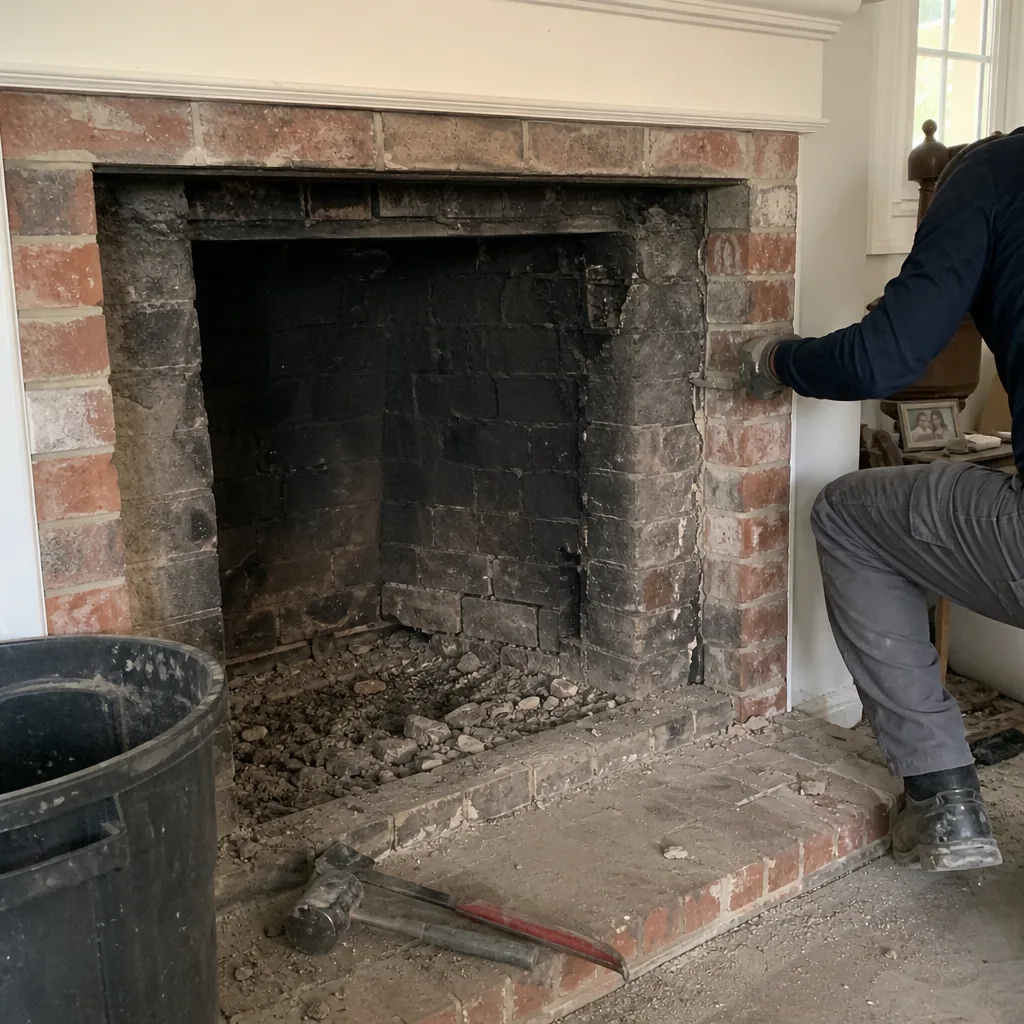 Before
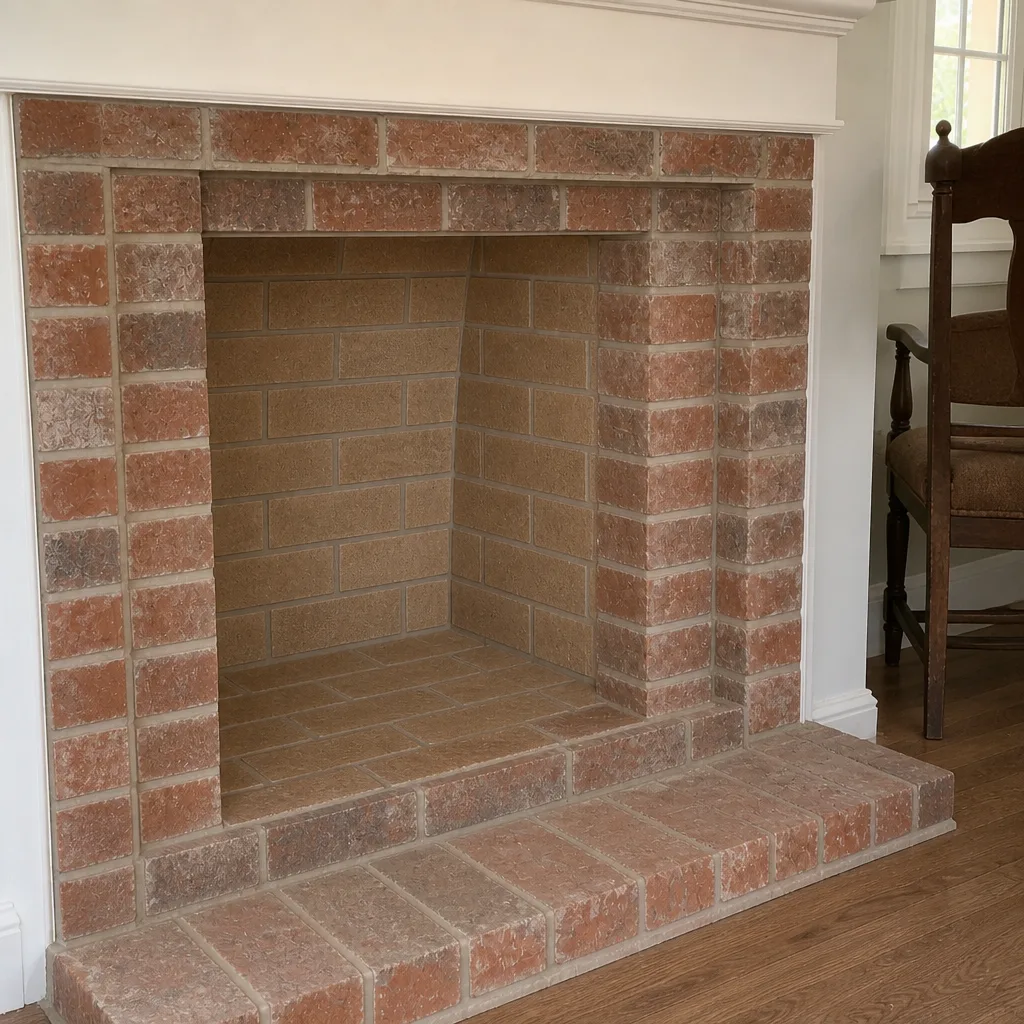 After
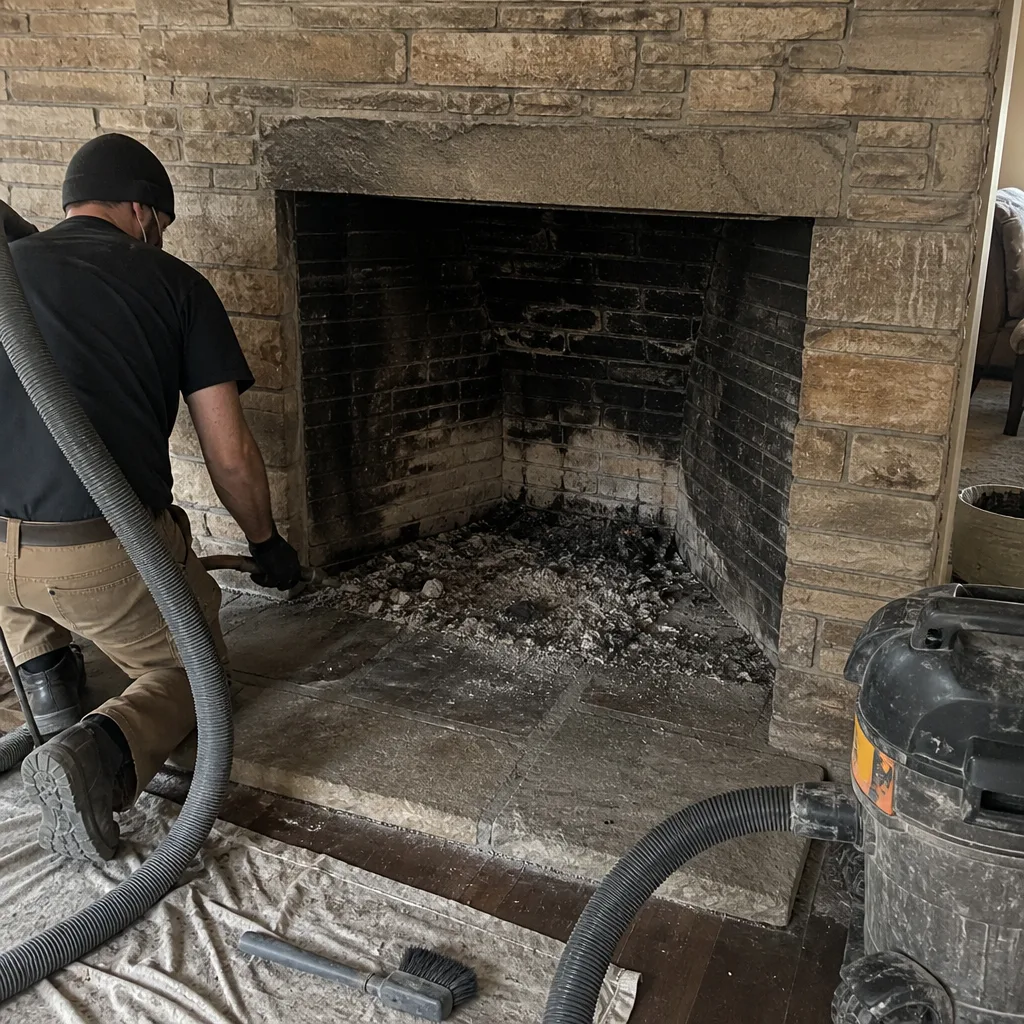 Before
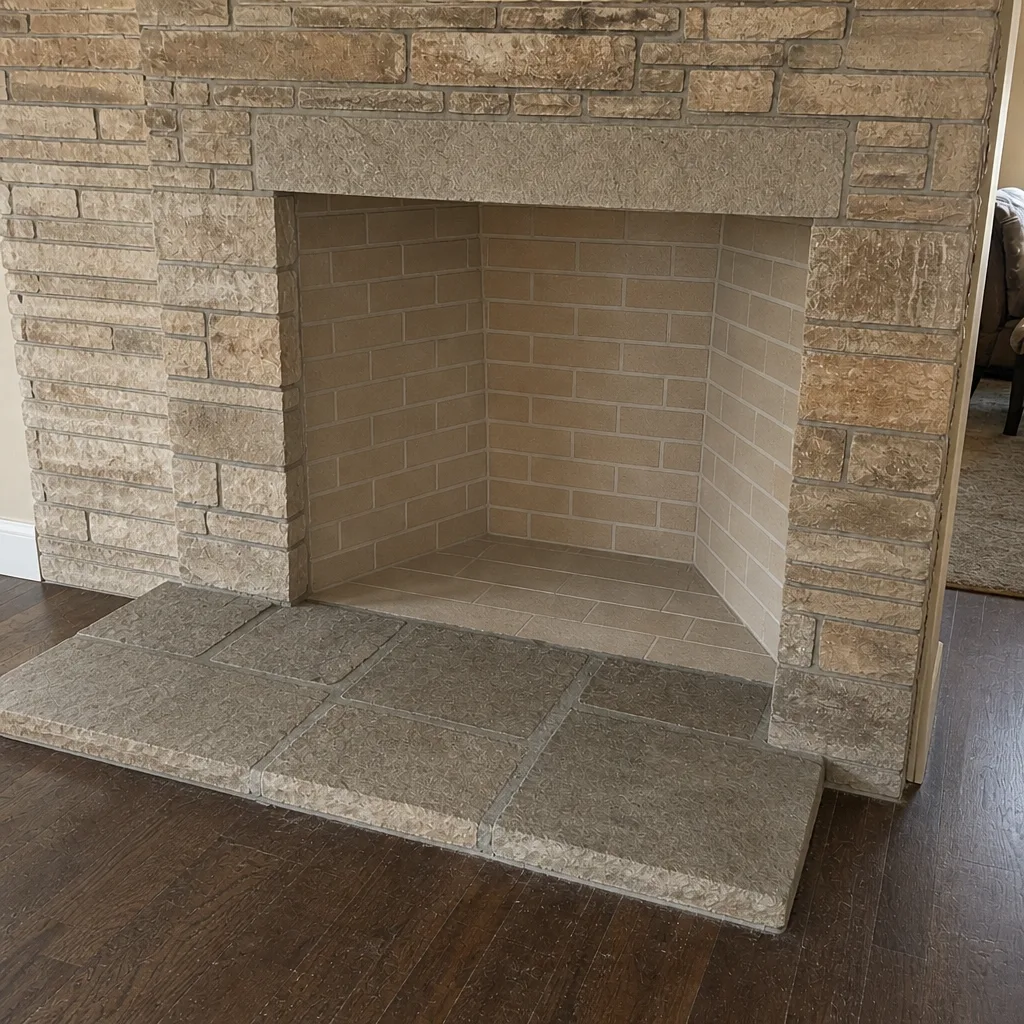 After
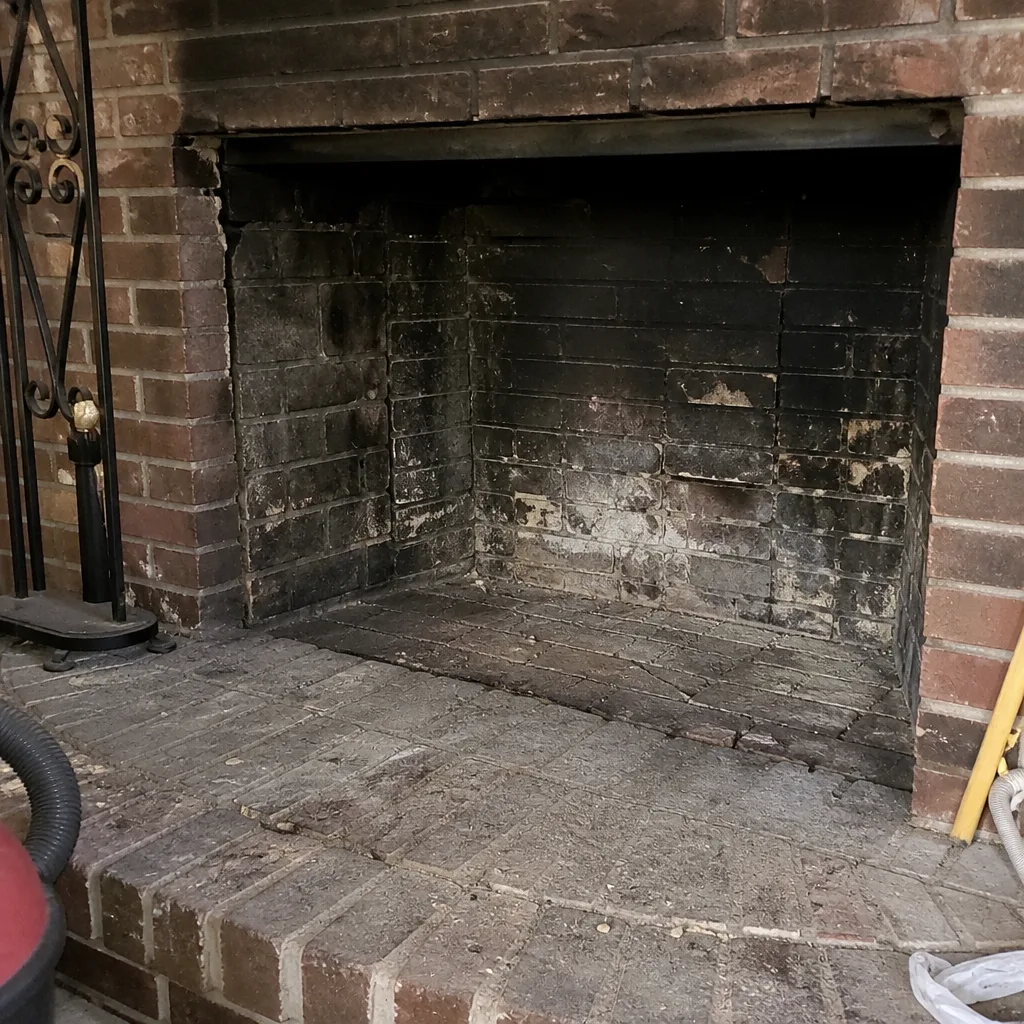 Before
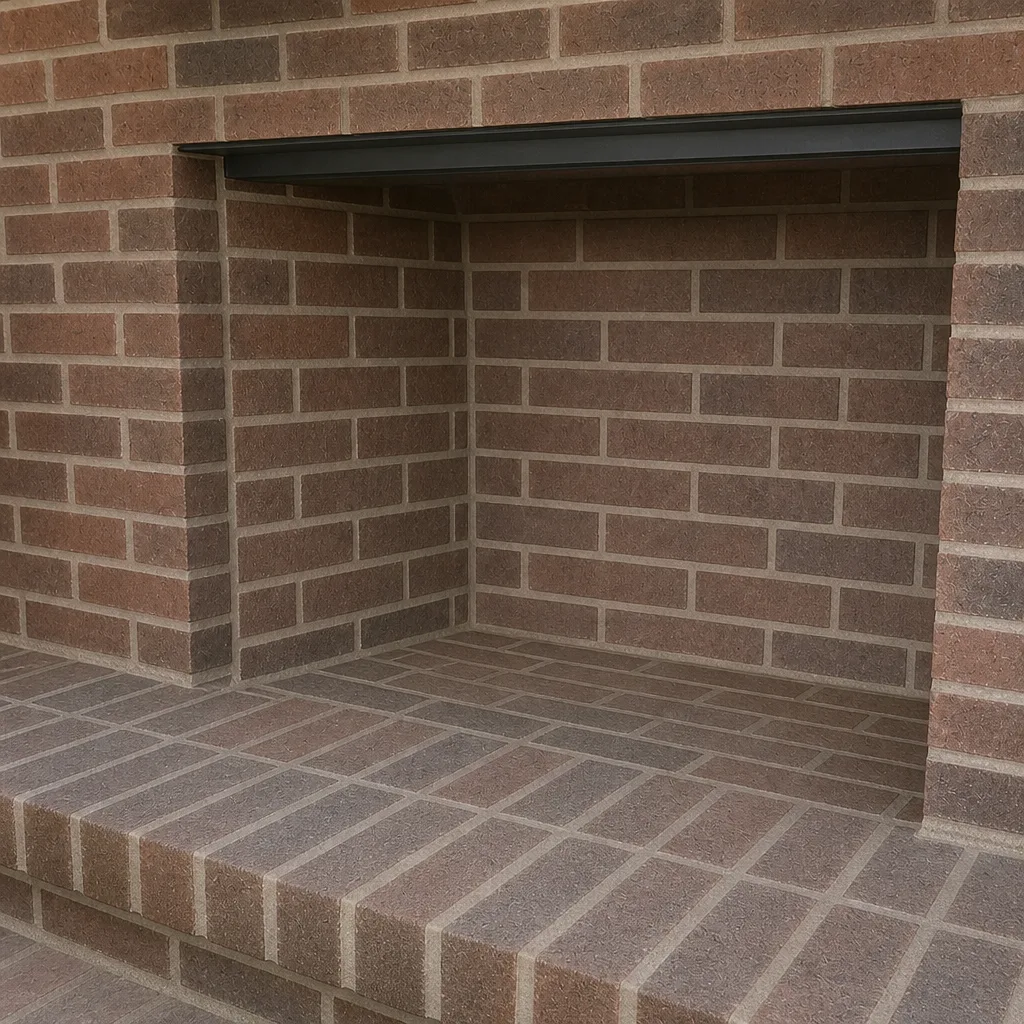 After