
Last updated November 23, 2026
 Sweep & inspection
 Caps & crowns
 Flue relining
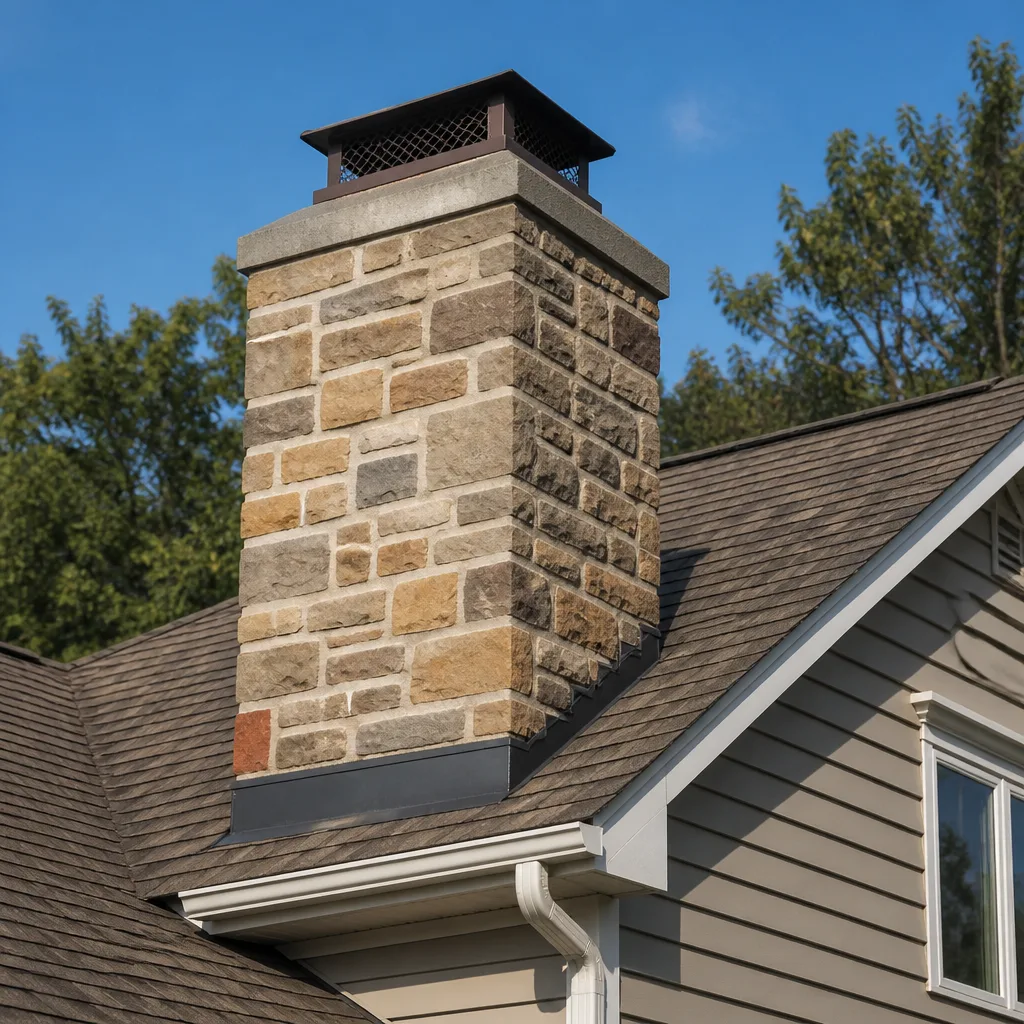 Masonry repair
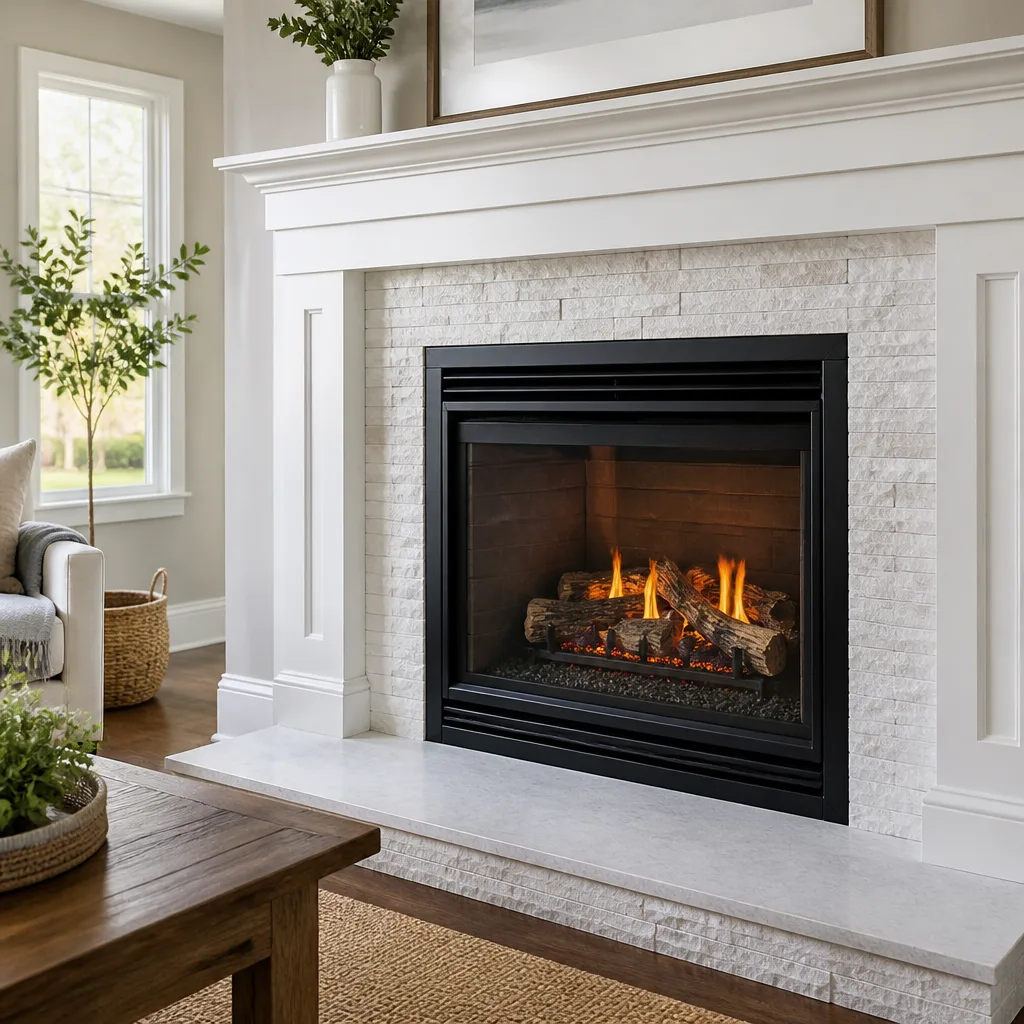 Gas fireplace service
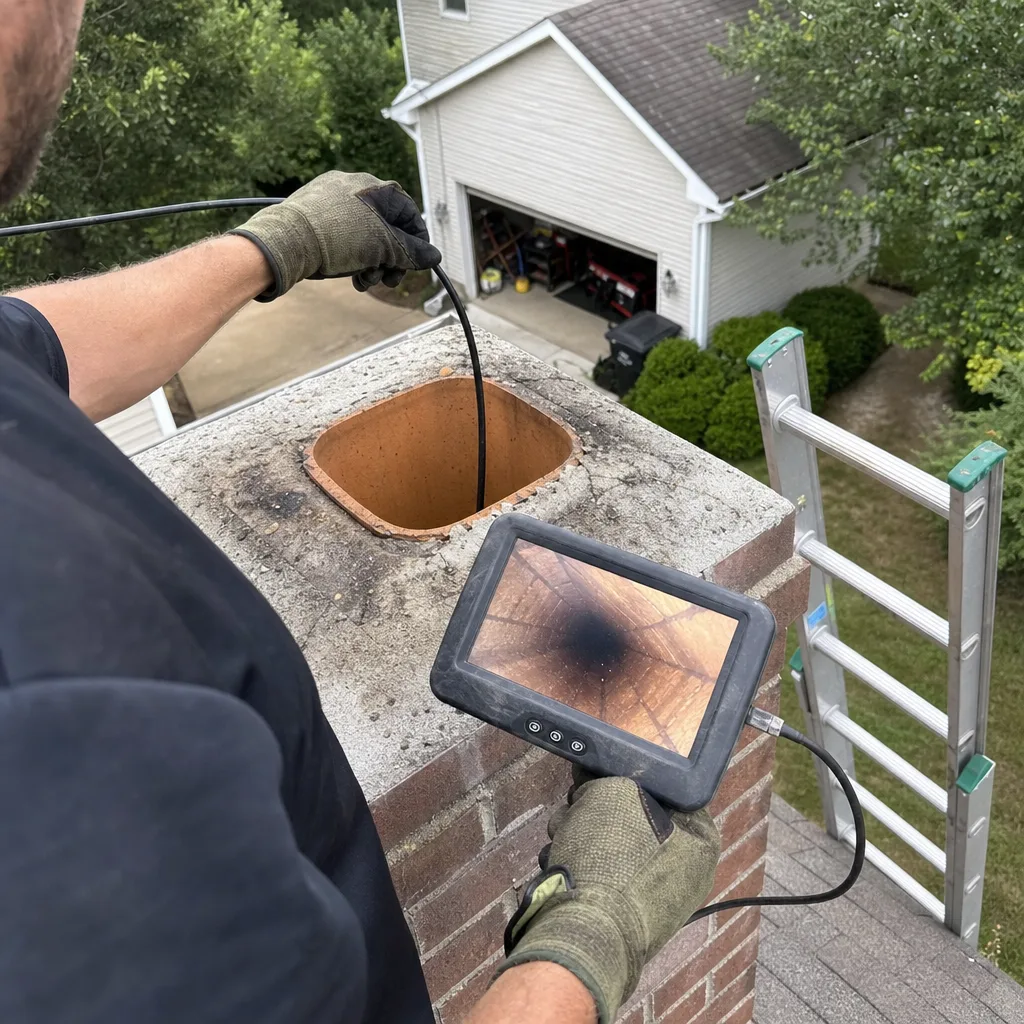
Level 1 sweep and inspection to the NFPA 211 annual standard - flue, crown, cap, and flashing checked and photographed
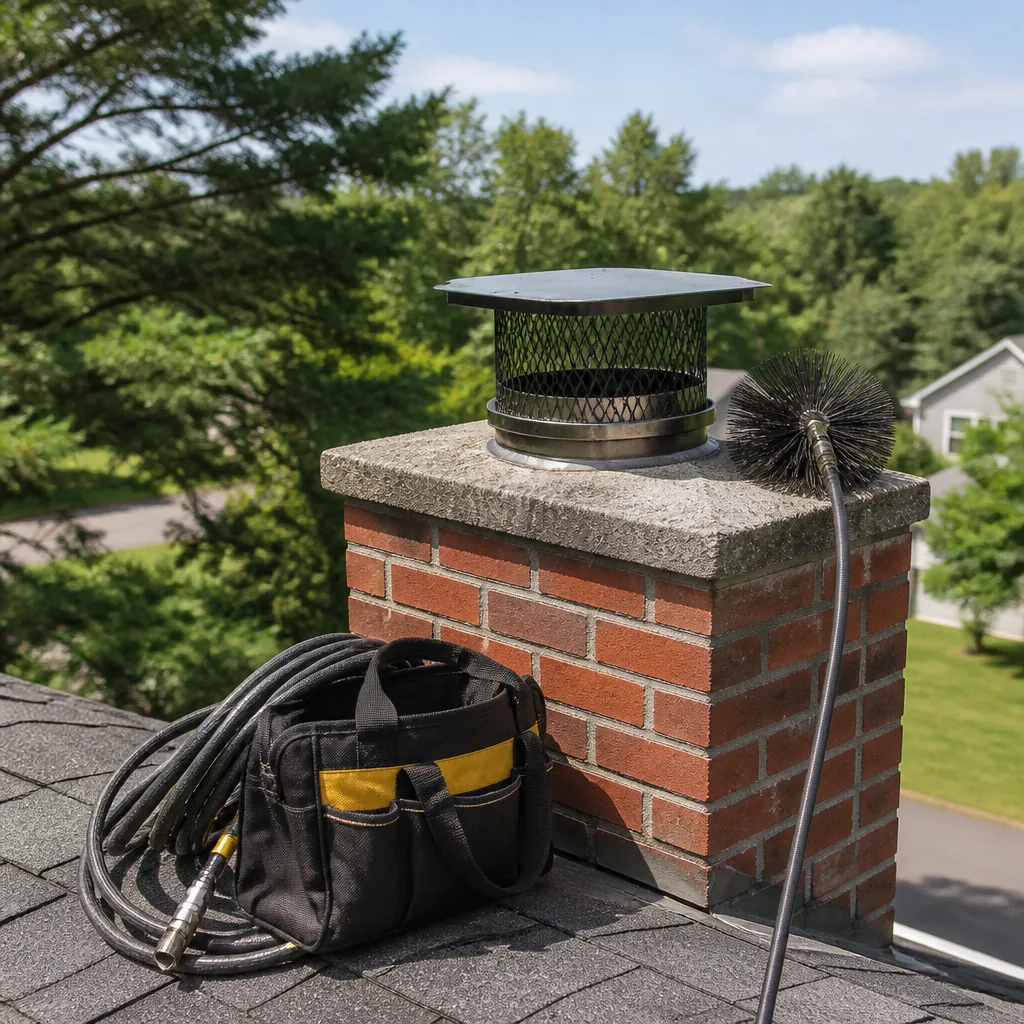
Chimney sweep logs do not sweep chimneys. They loosen some creosote - which then falls where a brush and vacuum still have to collect it.
Seasonal Chimney Cleaning Care for Southeast Raleigh: Year-Round Homeowner’s Guide
Most homeowners in Southeast Raleigh think about their chimney twice: once when the first cold snap hits and once when they notice a smell in July. That schedule leaves six months of the year unaccounted for, and those are the months when water does its quietest work. A hairline crack in a crown doesn’t announce itself. It opens a little wider with every wet spring, every humid summer afternoon, every freeze-thaw cycle in January, until the damage is no longer a crack but a rebuild. This guide maps chimney care onto the actual Southeast Raleigh climate, season by season, so nothing gets discovered too late.
Quick Answer
Chimney care in Southeast Raleigh should follow four seasonal checkpoints rather than one annual sweep: a post-burn-season inspection in spring, moisture prevention work in summer, sweep-and-inspect scheduling in fall before the first cold snap, and mid-season monitoring of draft, smoke behavior, and odor during winter. The sweep itself is usually a once-a-year task for a working fireplace, but the inspection cadence and the moisture work around it are what protect the structure between sweeps.
Styles & brands we work with
- Sweep & inspection
- Caps & crowns
- Flue relining
- Masonry repair
- Gas fireplace service
Table of Contents
- Why a Single Annual Sweep Misses Half the Year
- Spring: The Post-Season Inspection
- Summer: Waterproofing and Idle-Flue Moisture
- Fall: Triaging the Sweep Backlog Before the First Cold Snap
- Winter: Burn-Season Monitoring
- How Southeast Raleigh’s Mixed Freeze-Thaw Winters Affect Masonry
- A Year-Round Chimney Calendar
- Common Mistakes to Avoid
Why a Single Annual Sweep Misses Half the Year
A chimney sweep removes creosote and soot from a flue. That’s the job, and it’s a good one. But a sweep is a response to what happened during burn season. It doesn’t address what the chimney is doing the other seven or eight months, when the flue sits empty and the masonry is exposed to whatever the Southeast Raleigh weather decides to deliver.
Chimneys fail from the top down. Water enters at the crown, the cap, or a failed mortar joint near the top of the stack, then migrates down through the masonry. Freeze-thaw cycles widen every opening it finds. By the time water reaches the firebox or shows up as a stain on the ceiling near the chase, the damage has usually been progressing for more than a season. This is why we inspect before we quote and why we treat the inspection as its own service rather than a formality attached to a cleaning.
Treating chimney care as four checkpoints instead of one changes what you find and when you find it:
- Spring is when the burn season’s wear is visible and the wet season’s damage hasn’t started yet.
- Summer is when the flue is idle and humid air sits against cool masonry.
- Fall is when demand spikes and appointments get scarce.
- Winter is when draft, smoke behavior, and odor tell you something changed inside the system.
None of these checkpoints replaces the annual chimney sweep. They surround it. A chimney that gets swept every fall and inspected only when something looks wrong is a chimney that gets diagnosed late.
Spring: The Post-Season Inspection
Spring is the highest-value inspection window on the calendar, and it’s the one most Southeast Raleigh homeowners skip. Once the last fire of the season is out, the chimney holds a full winter’s evidence: creosote accumulation, glaze on the flue walls, cracked mortar, a crown that took damage over the winter, and any staining from water that got in during the cold months.
An inspection in April or May catches all of it with months of repair weather still ahead. Compare that to an inspection in October, when the same findings show up but the calendar is short and every chimney in Southeast Raleigh is competing for the same appointments.
What a spring inspection should cover
- The firebox and damper. Cracks in the firebox brick, a damper that no longer seals, and any evidence of smoke escaping into the room rather than up the flue.
- The flue interior. Creosote thickness and type, glazed deposits, and the condition of the liner. If the chimney has a clay tile liner, we check for cracked or spalled tiles. If it has a stainless liner, we check the seams and the connection at the top plate.
- The smoke chamber and damper shelf. This is the sloped area above the damper and below the flue, and it’s where rough masonry collects creosote that a simple brush pass can miss.
- The crown and cap. The two most common points of water entry. A crown with a hairline crack in May is a crown that needs repointing, not a rebuild. The same crack in October, after a wet summer, may be a different conversation.
- The exterior stack and flashing. Mortar joints, spalling brick, and the flashing where the chimney meets the roof.
Spring is also when we recommend booking any fireplace repair that surfaced during the burn season, because repair work scheduled in spring has room around it. Nothing about a chimney gets cheaper or easier by waiting until the week before you want to light a fire.
Summer: Waterproofing and Idle-Flue Moisture
Southeast Raleigh summers are humid, and a chimney is a masonry column that stays cooler than the air around it. Warm, moist air meets cool masonry and condenses. That’s the mechanism behind the musty smell some homeowners notice in July, and it’s the reason summer is the season for moisture work rather than the season to forget the chimney exists.
Two things matter most in summer: keeping water out from above, and letting the masonry dry from within.
Keeping water out from above
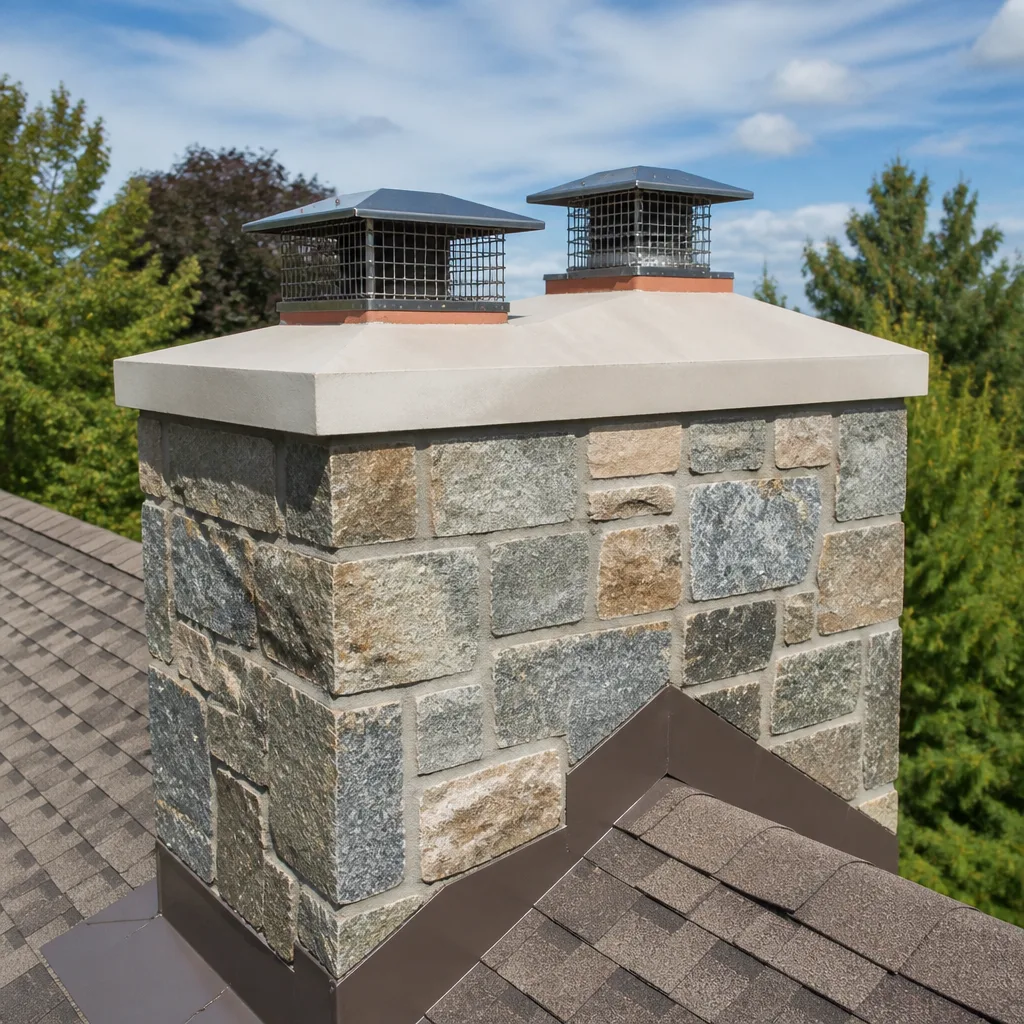
A chimney cap stops water, debris, and animals before they reach the flue. The cap is a lid on top of the stack, and the crown is the concrete surface the cap sits on. Crown and cap together seal the top of the system, which is where most water intrusion starts. If the crown is cracked, a cap alone won’t fix it; if the crown is sound and there’s no cap, water goes straight down the flue. We treat chimney cap & crown as a single scope for exactly this reason.
Waterproofing, and why timing matters here
Waterproofing a masonry chimney means applying a breathable sealer that repels liquid water while still allowing vapor to escape. Products like ChimneySaver are formulated for this, and we work with that class of product because the wrong sealer traps moisture inside the masonry and makes spalling worse.
Application timing matters in this climate. A sealer applied to masonry that’s already holding summer humidity cures unevenly and can trap moisture rather than keep it out. We apply waterproofing after a dry stretch, on masonry that has had time to shed its moisture, and we assess the masonry first, because sealer on a surface with active spalling or failed mortar just seals the problem in place. A waterproofing job in the Southeast Raleigh humidity is a scheduling decision as much as a product decision.
While the water is being managed from outside, the flue should be allowed to breathe from inside. Leaving the damper cracked open through the humid months helps air move through the flue rather than letting it sit stagnant.
Fall: Triaging the Sweep Backlog Before the First Cold Snap
Every fall, the same thing happens across Southeast Raleigh: the first genuinely cold forecast arrives, and every chimney appointment slot in the area fills within days. If you can only get one appointment before you want to burn, here’s how to decide what it should be.
Triage in this order
- If you burned last season and haven’t had the chimney swept since, book the sweep. Creosote accumulation is the one thing on this list that’s a fire risk rather than a repair cost. A chimney fire needs fuel and a hot enough flue; creosote is the fuel.
- If you noticed smoke rolling back into the room, draft problems, or a strong odor, book the inspection. Those symptoms point to a draft or blockage issue that a sweep alone won’t diagnose.
- If you’ve never had the chimney inspected, book the inspection first and the sweep alongside it. Knowing what’s in the flue before you clean it changes what the cleaning needs to accomplish.
- If the chimney cap is missing or visibly damaged, get the cap handled before the wet season. A cap is the cheapest water protection on the whole system, and fall rain arrives whether or not you’ve had the sweep.
- If everything above is in hand, book the sweep and be done. A swept, capped, inspected chimney is a chimney you can light without thinking about it.
The fall sweep itself is straightforward: we clean the flue, remove the creosote, and check the firebox, damper, and smoke chamber while we’re on site. Because inspection is a standalone service rather than something bundled in, you can ask for an honest assessment of the liner and the crown without being steered toward work you didn’t ask about. That’s the reason we structured it that way. Our technicians have up to 13 years of experience, and in that time the one thing that consistently pays off is looking before recommending.
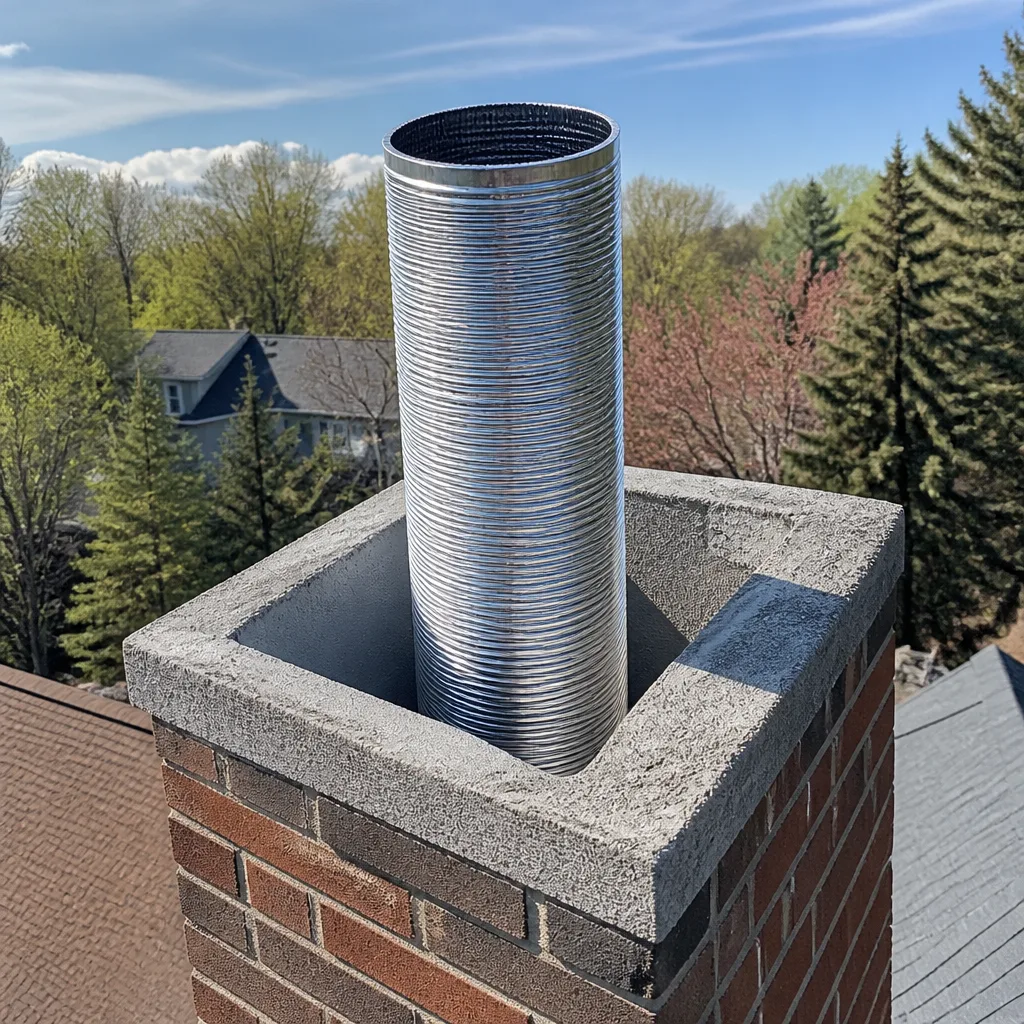
If the inspection turns up a liner that’s failing, we assess whether it’s a replacement case or a resurfacing case. HeatShield is a specialist resurfacing system for liners, and where the liner qualifies, it’s a repair rather than a full replacement. That option exists, and it’s worth knowing about before you’re quoted a replacement.
Winter: Burn-Season Monitoring
Once the burn season starts, your job shifts from maintenance to observation. Most chimney problems that become urgent announce themselves first as a small change in how the fireplace behaves. Here’s what to watch for.
- Draft changes. A fire that used to draw well and now hesitates on start-up, or a damper that seems to need a different position than it used to, suggests a change in the flue: buildup, a partial blockage, or a liner issue.
- Smoke rollback. Smoke coming into the room instead of going up the flue is a draft or pressure problem. It can come from a blockage, a cracked flue, a closed damper, or a flue that’s undersized for the firebox. It’s a call-us-now symptom, not a wait-and-see one.
- Odor shifts. A chimney that smells different in winter than it did in fall is telling you something. A sharp, acrid smell during or after a fire can point to a flue deposit burning off; a persistent smoky smell in a room with no fire can point to a draft reversal or a blockage. Both are worth a mid-season inspection.
- Visible creosote at the top of the firebox. If you can see shiny, tar-like deposits on the flue walls above the firebox, the creosote has reached the glazed stage, which is the stage that needs professional removal rather than a brush.
Mid-season calls are common in Southeast Raleigh because our winters are mild enough that people burn sporadically rather than continuously, which means a problem can develop over several weeks before anyone connects it to the fireplace. A draft that feels off in January is cheaper to diagnose in January than in April, once a season of odd burning has had time to deposit more creosote in a flue that wasn’t drawing right to begin with.
One safety note that applies all winter: never burn treated lumber, cardboard, or household trash in a fireplace. Those materials produce deposits and emissions that wood smoke doesn’t, and they accelerate creosote formation in exactly the flue you’re trying to keep clean.
How Southeast Raleigh’s Mixed Freeze-Thaw Winters Affect Masonry
Chimney masonry in a hard-freeze climate like upstate New York faces one long, deep freeze. Masonry in Southeast Raleigh faces something different and, in some ways, harder: freeze-thaw cycling, where the temperature dips below freezing at night and climbs back above it during the day, repeatedly, across a winter.
Water expands when it freezes. In a hard-freeze climate, water gets into a masonry crack in the fall and freezes once, then stays frozen. In a mixed freeze-thaw climate, water gets into the same crack, freezes overnight, expands, thaws the next day, drains deeper into the widened crack, and freezes again the next night. Done a dozen times across a winter, that cycle acts like a slow wedge opening every crack, mortar joint, and crown fissure it can reach.
What this means for Southeast Raleigh homeowners:
- Crowns take more abuse here than the regional average. A hairline crack in a concrete crown is a freeze-thaw target. Sealing it in spring or fall, while it’s still a hairline, is a different job than rebuilding a crown that has split through.
- Mortar joints at the top of the stack matter more than they look. The top of the chimney gets the most weather, the most freeze-thaw cycling, and the least shelter. Repointing a joint above the roofline is a small job; letting it fail enough to allow water into the masonry behind it is not.
- Spalling brick is a moisture symptom, not a cosmetic one. When brick faces flake or pop off, water is already inside the brick body. Waterproofing after spalling has started protects the surrounding masonry but doesn’t undo the spall.
- Flashings and the roof-to-chimney junction get a workout. Repeated wetting and freezing at the flashing line is where a lot of interior water stains begin, and it’s usually mistaken for a roof problem until someone traces it to the chimney.
We work with materials from Copperfield and Gelco for cap and crown work and for masonry repairs because they’re specified for exterior exposure and hold up to this cycle. The reasoning is simple: in a climate that freezes and thaws a dozen times a winter, the material at the top of the chimney is doing more work than the material anywhere else on the house.
A Year-Round Chimney Calendar
Here’s the year mapped to tasks. This is the schedule we’d give a Southeast Raleigh homeowner who wants the chimney handled without surprises.
Spring (after burn season ends)
- Book the post-season inspection.
- Schedule any fireplace repair surfaced during the winter.
- Have the firebox, damper, flue, smoke chamber, crown, cap, and flashing assessed.
- Note any crown cracks or spalled brick for summer repair.
Summer (humid, idle-flue season)
- Have masonry assessed for waterproofing suitability.
- Apply waterproofing during a dry stretch, on masonry that’s had time to dry.
- Handle cap and crown repairs so the system is sealed before fall rain.
- Leave the damper cracked through the humid months to let the flue breathe.
Fall (before the first cold snap)
- Book the Chimney Sweep Southeast Raleigh appointment as soon as the schedule opens, not after the first cold forecast.
- Confirm the cap is in place and the crown is sound.
- If the inspection flagged the liner, decide between resurfacing with HeatShield and replacement before burn season starts.
- Test the damper and do a small, supervised first fire to confirm draft before you rely on the fireplace.
Winter (burn season)
- Watch draft, smoke behavior, and odor. Any change warrants a mid-season call.
- Keep treated lumber, cardboard, and trash out of the firebox.
- If the fireplace hasn’t been swept since last season, stop burning and schedule the sweep.
Common Mistakes to Avoid
- Waiting for the first cold forecast to book a sweep. Every Southeast Raleigh homeowner has the same idea at the same time. Booking in late summer rather than early fall is the difference between getting the appointment you want and taking whatever slot is left.
- Treating the annual sweep as the whole job. A sweep removes creosote. It doesn’t tell you whether the crown cracked over the winter or the flashing is failing. Those findings come from an inspection, and they’re the findings that protect the structure.
- Skipping the spring inspection because the fireplace worked fine in winter. A fireplace can burn acceptably while the crown above it is cracking and the flashing is letting water in. The fire working doesn’t mean the chimney is sound.
- Sealing masonry that’s actively spalling. Waterproofing on top of failing masonry traps the problem in place and can make it worse. This is why we assess the masonry before we apply sealer rather than quoting waterproofing as a standalone line item.
- Letting a hairline crown crack wait for fall. In a freeze-thaw climate, a hairline crack in spring is a repair; the same crack after a winter of cycling can be a crown rebuild.
- Ignoring a summer musty smell. The smell is usually moisture in the flue or the masonry, and it’s the earliest signal of the water intrusion that shows up as a ceiling stain months later.
- Assuming a liner problem means a liner replacement. Resurfacing with HeatShield is a repair-based option where the liner qualifies. Ask about it before agreeing to a replacement.
See the difference
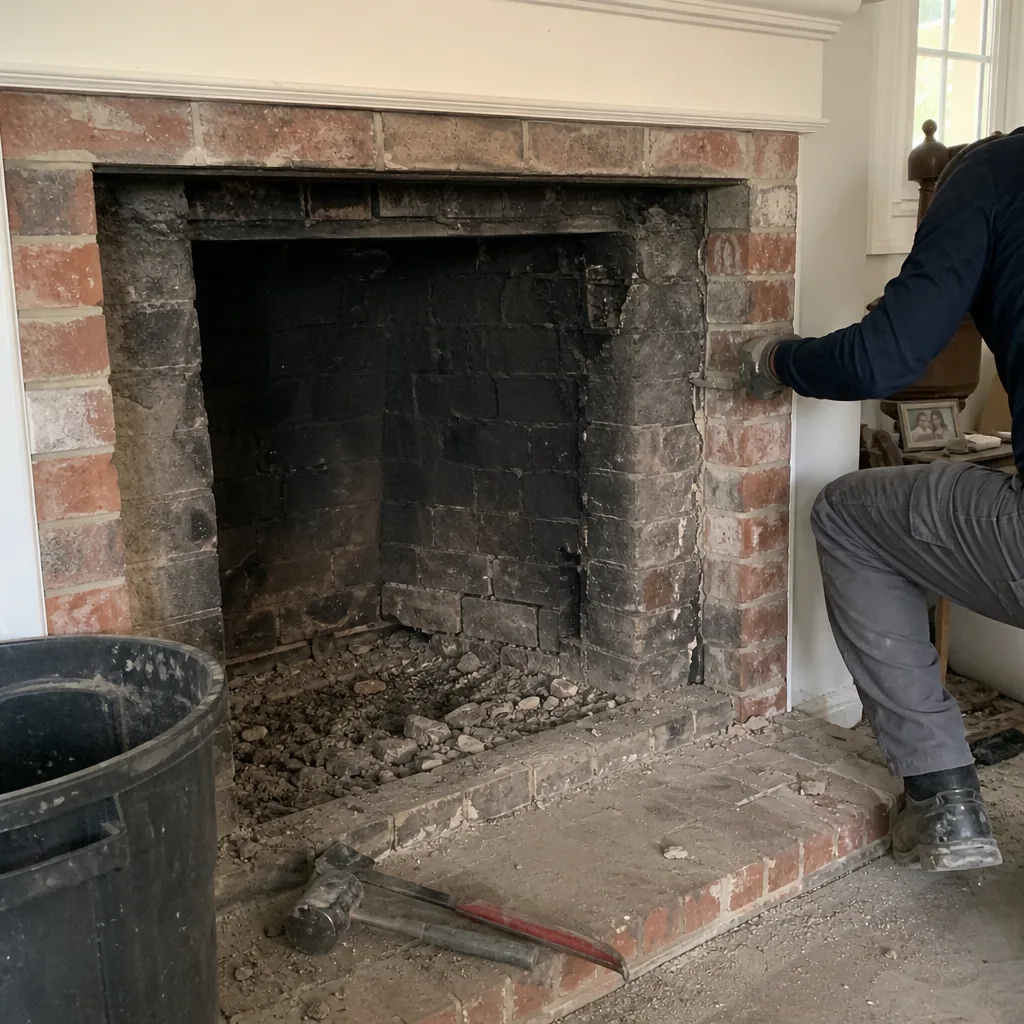 Before
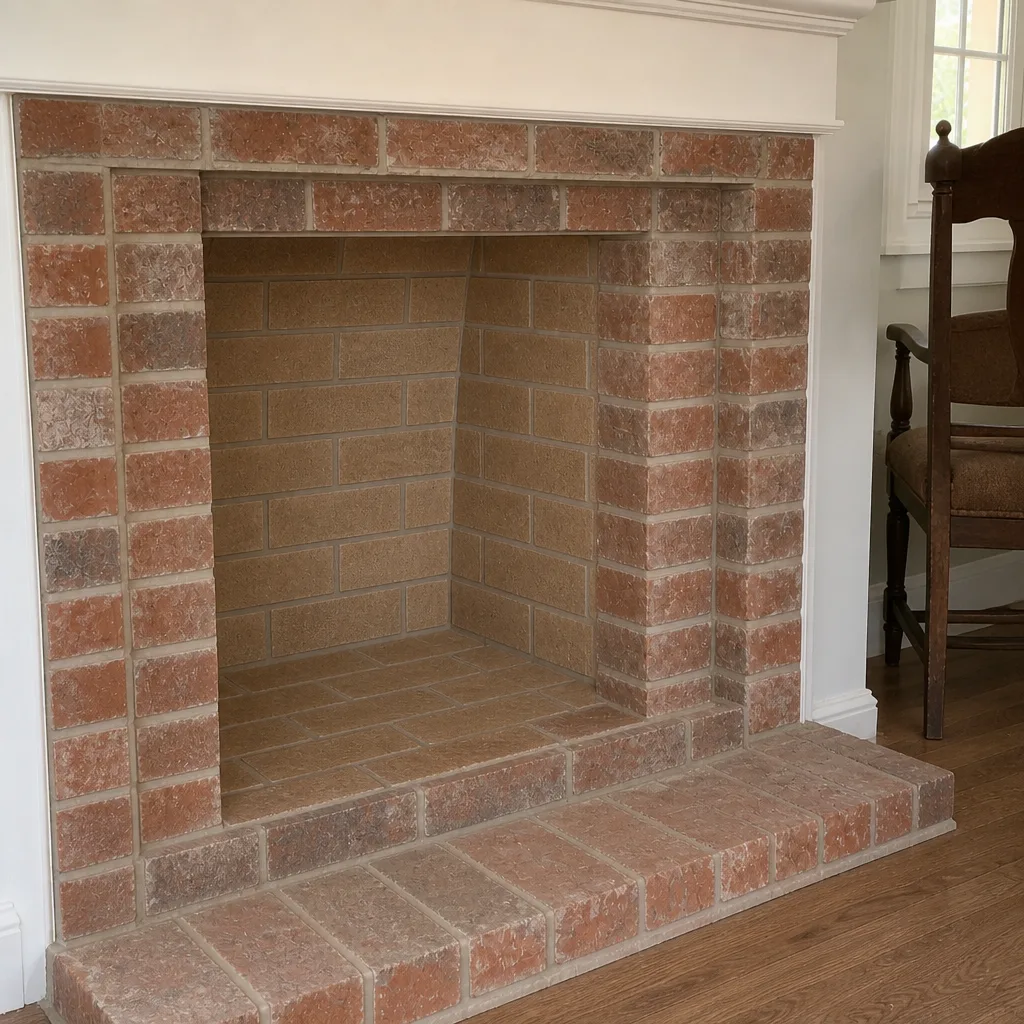 After
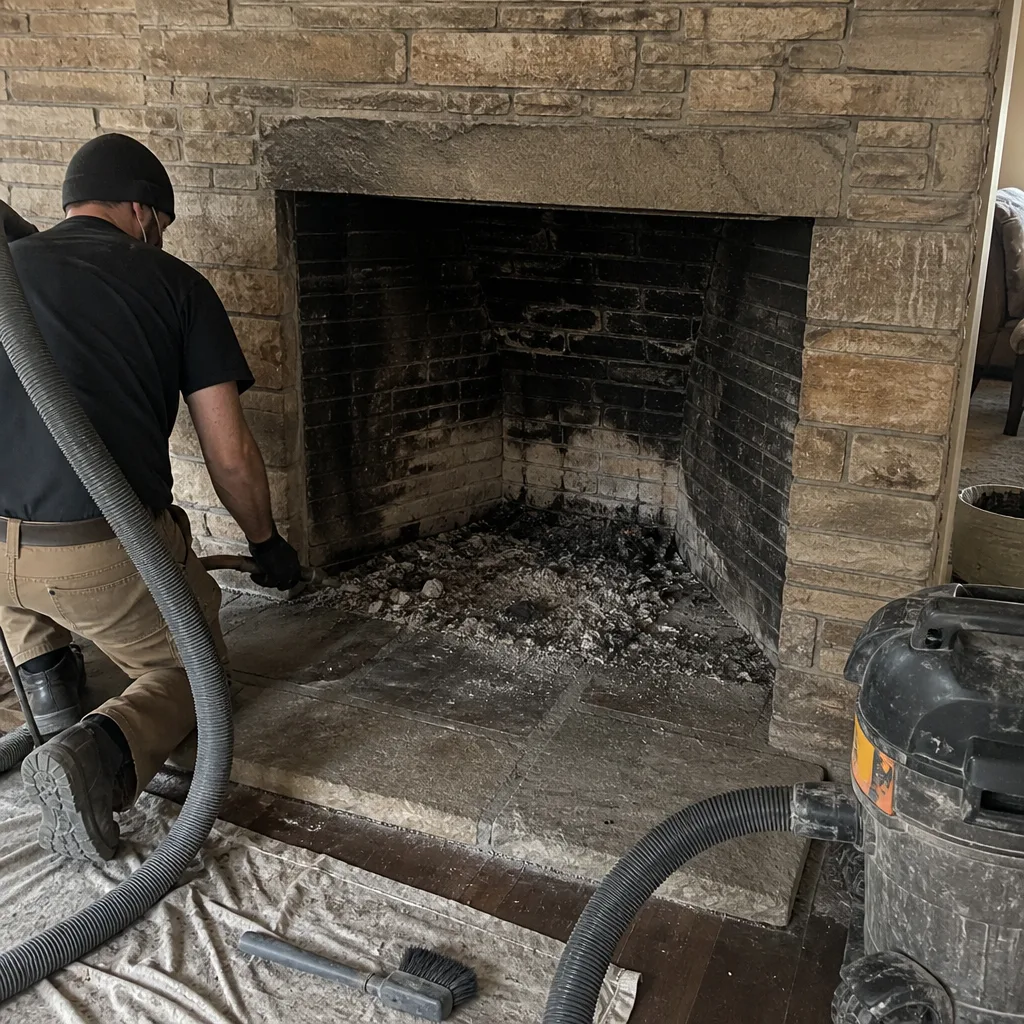 Before
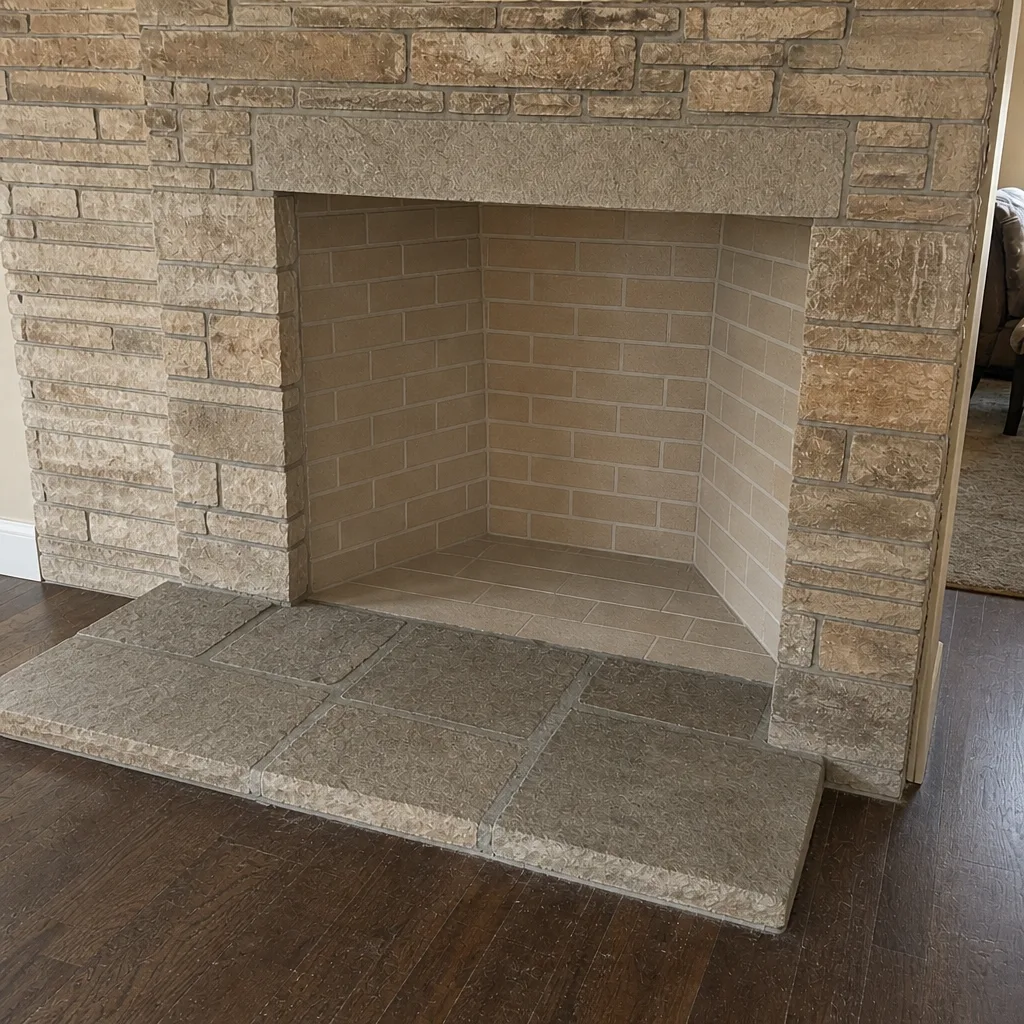 After
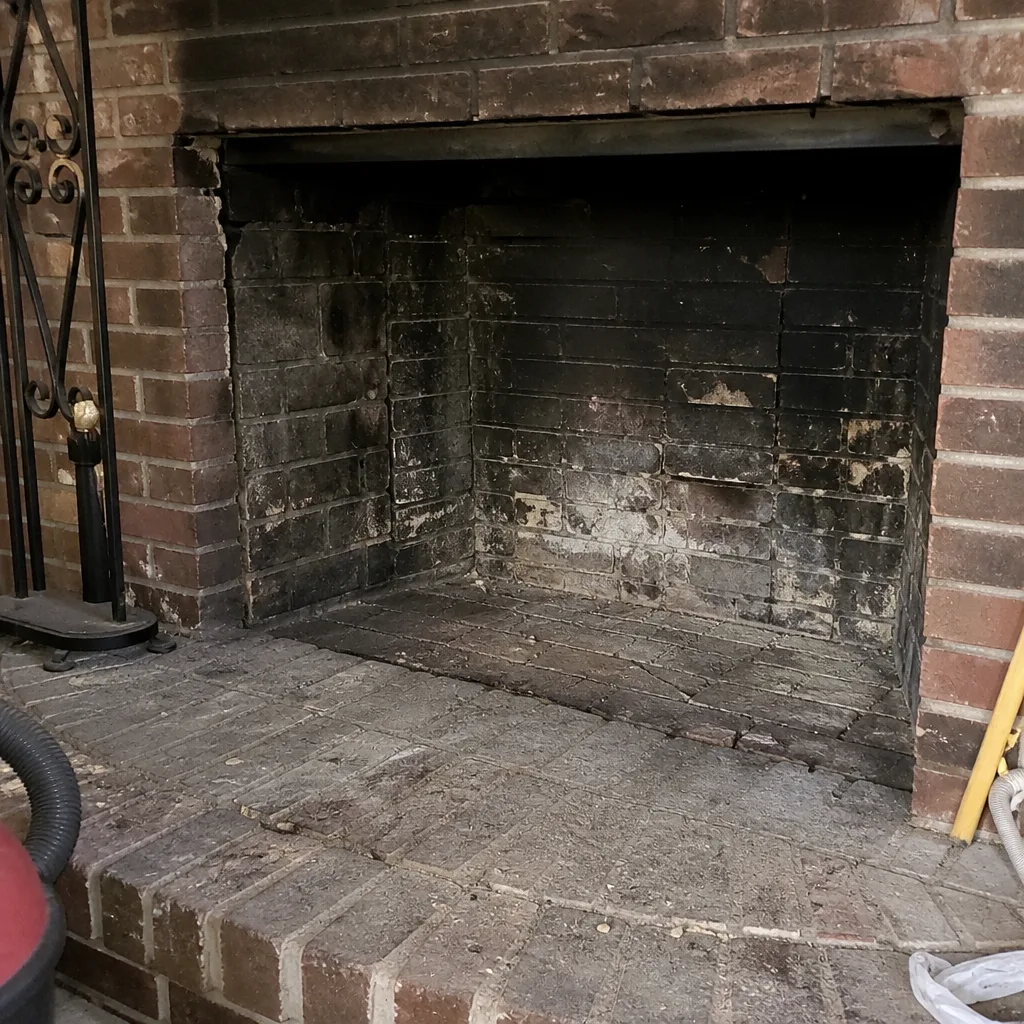 Before
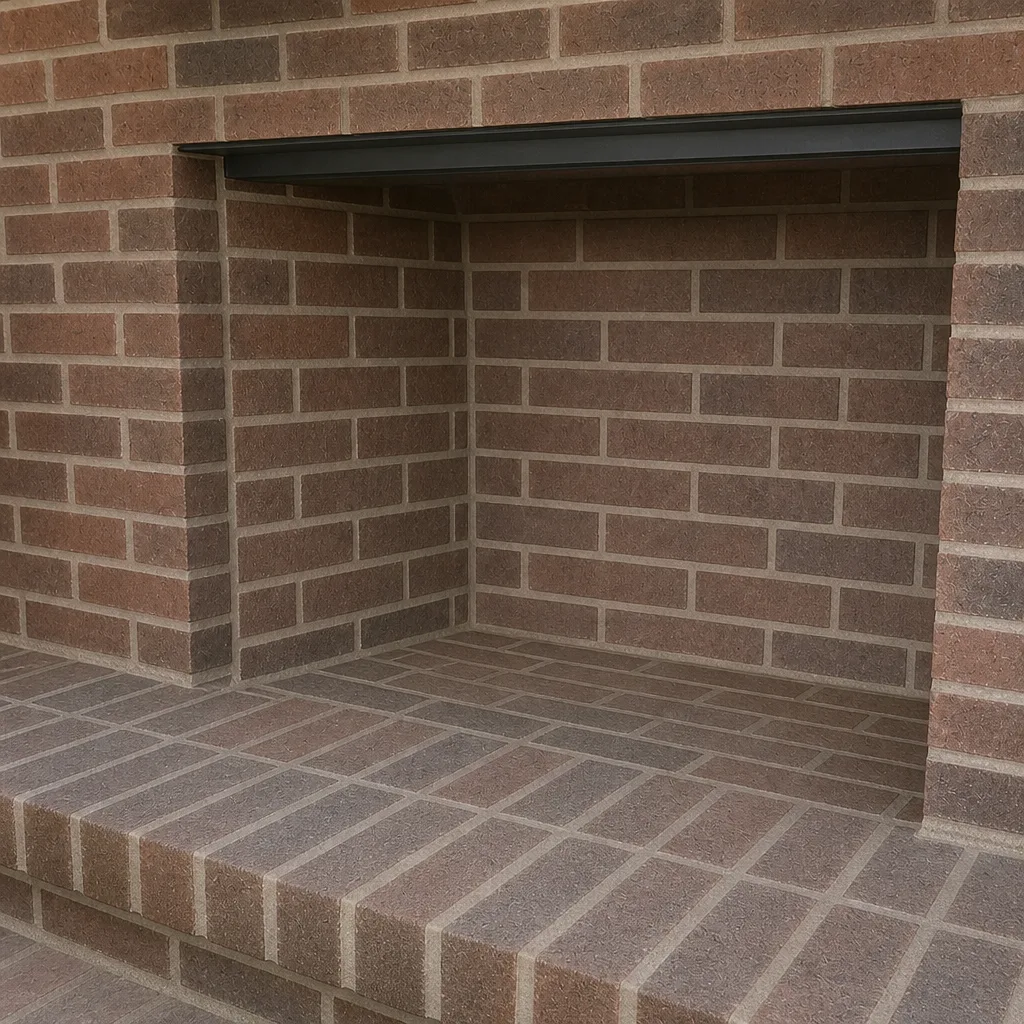 After
When to Call a Professional
Call a professional if you can see glazed, tar-like creosote in the flue, if smoke enters the room during a fire, if you smell a persistent smoky or musty odor in a room with no fire burning, if you notice water staining on the ceiling or walls near the chimney chase, if the crown is visibly cracked or brick is spalling, or if the fireplace hasn’t been swept in more than a year of regular use. Those are the conditions where inspection and repair matter more than a cleaning. Chimney Sweep Southeast Raleigh offers free estimates in Southeast Raleigh – call (833) 513-8676. We answer 24/7. Fast dispatch from 7am to 7pm, Sunday through Friday.
Frequently Asked Questions
Once a year for a fireplace that gets regular use during the burn season, and at the point where creosote buildup reaches roughly an eighth of an inch in the flue. Southeast Raleigh’s mild winters mean many homeowners burn sporadically rather than continuously, so the annual sweep is the right baseline even if the fireplace only sees weekend use. Call (833) 513-8676 for a free estimate on a sweep and inspection.
Because the flue is idle and humid air is condensing on cooler masonry, which mixes with leftover creosote and soot to produce a musty, smoky odor. Leaving the damper cracked through the humid months helps the flue breathe, and a proper sweep before summer removes the deposit the smell is feeding on. If the smell persists after a sweep, it’s worth an inspection for moisture intrusion. Call (833) 513-8676 to schedule one.
For a masonry chimney in Southeast Raleigh’s freeze-thaw winters, yes, if the masonry is sound enough to accept it. Waterproofing on a sound chimney keeps liquid water out while letting vapor escape, which reduces the freeze-thaw damage that widens cracks and mortar joints every winter. It isn’t a substitute for a cap and a sound crown; it’s the layer that works alongside them. Call (833) 513-8676 for an assessment of whether your masonry is a candidate.
It’s better not to, because a crack that’s a hairline repair in spring can be a rebuild after a winter of freeze-thaw cycling. Crown and cap work is usually straightforward while the damage is small, and fall is the worst time to discover you need it, since the repair queue is longest then. Call (833) 513-8676 for a free estimate on crown work.
Not always. Where the liner qualifies, HeatShield resurfacing is a repair-based alternative to a full replacement, and it’s a material choice we use specifically because it’s a middle path many generalists skip. The inspection determines which option applies. Call (833) 513-8676 to have the liner assessed.
Two things, and neither announces itself loudly. Creosote accumulates in a flue that hasn’t been swept, which raises the risk of a chimney fire, and water works its way into cracks and mortar joints that nobody inspected, which shows up later as spalled brick, a failing crown, or an interior stain. Both are cheaper to address early. Call (833) 513-8676 for a free estimate if it’s been more than a season.
The Bottom Line
Chimney care in Southeast Raleigh works better as four seasonal checkpoints than as one fall appointment. Inspect in spring while the burn season’s evidence is fresh. Handle waterproofing, cap, and crown work in summer while the masonry can dry. Book the sweep and inspection in fall before the cold snap fills the schedule. Watch draft, smoke, and odor through winter and call when something changes. A sweep removes what burning left behind; the rest of the year is what keeps the structure sound enough to burn in. Chimney Sweep Southeast Raleigh handles the full lifecycle, from sweep to crown, with materials specified for this climate. Call (833) 513-8676 for a free estimate – we inspect before we quote, and the written estimate sets the final price.
Written by the team at Chimney Sweep Southeast Raleigh.