
Last updated November 23, 2026
 Sweep & inspection
 Caps & crowns
 Flue relining
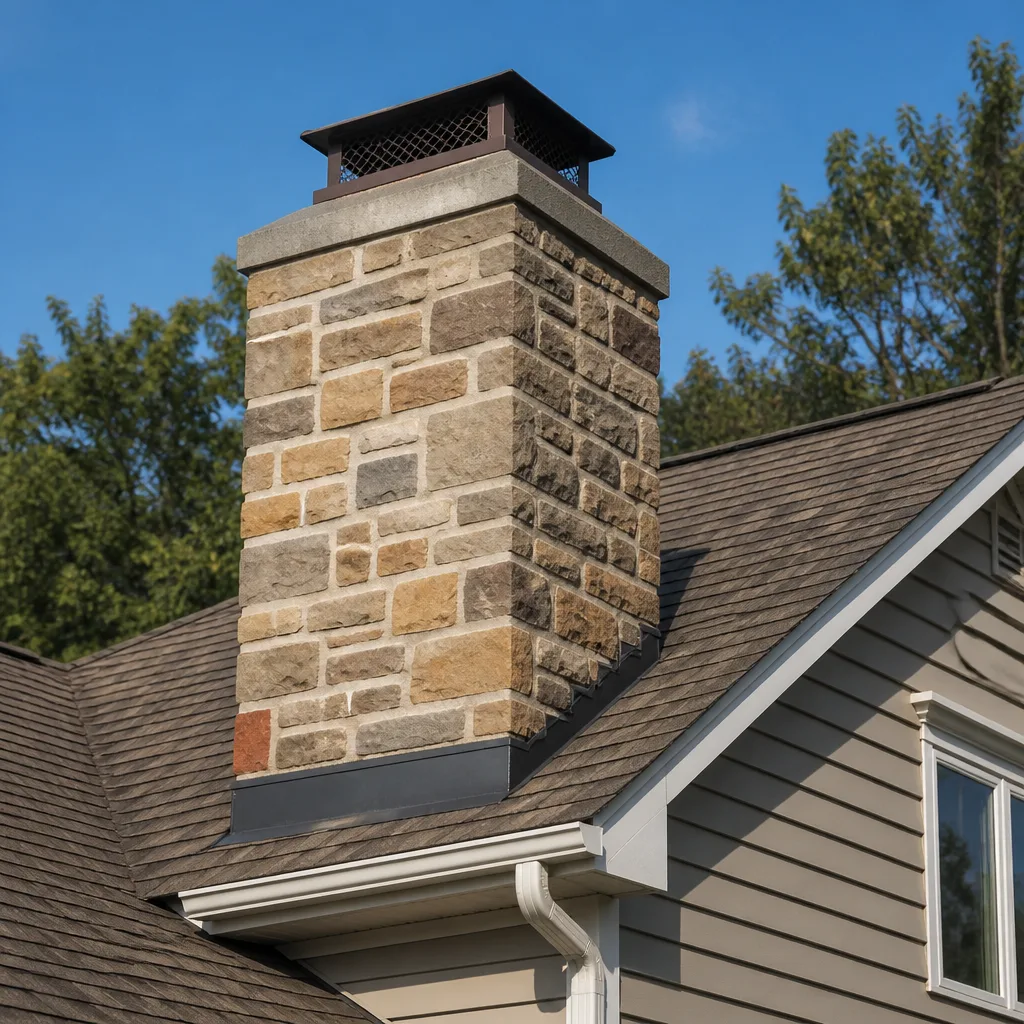 Masonry repair
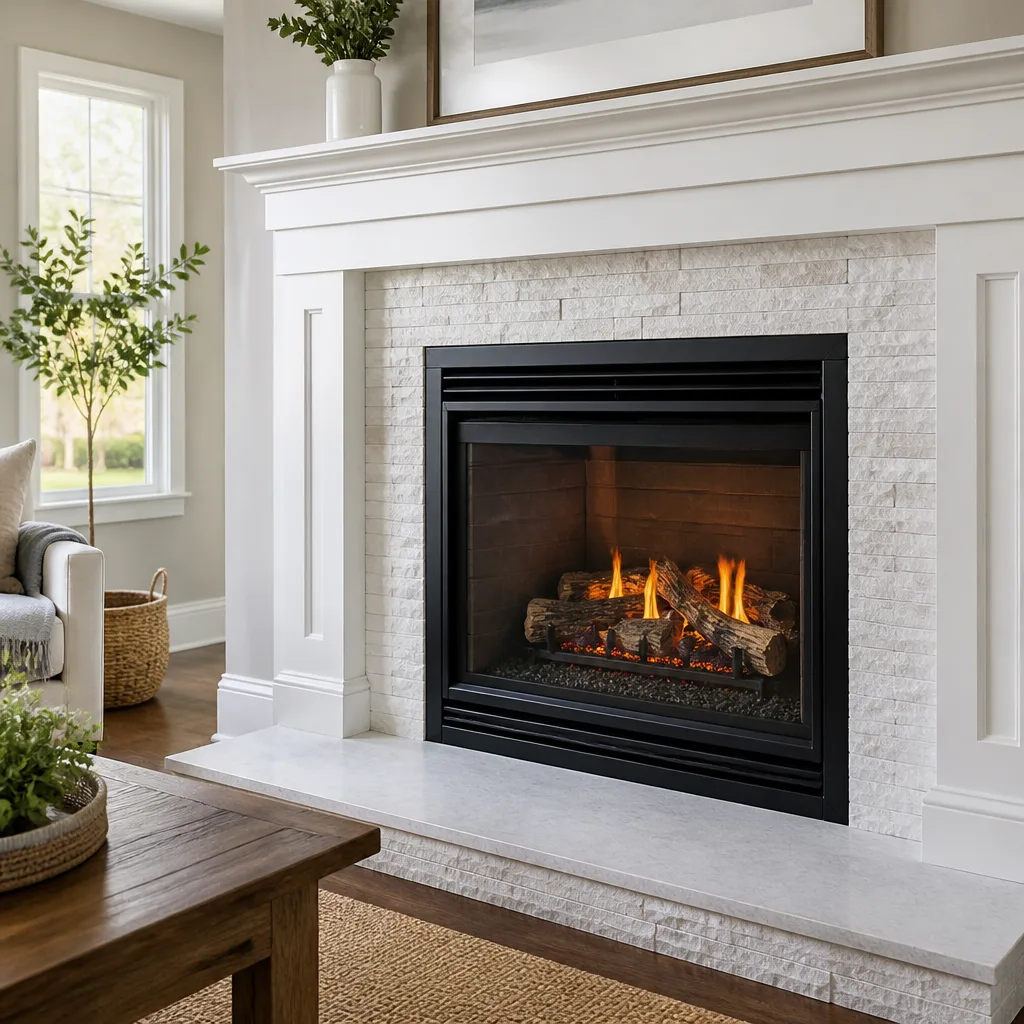 Gas fireplace service
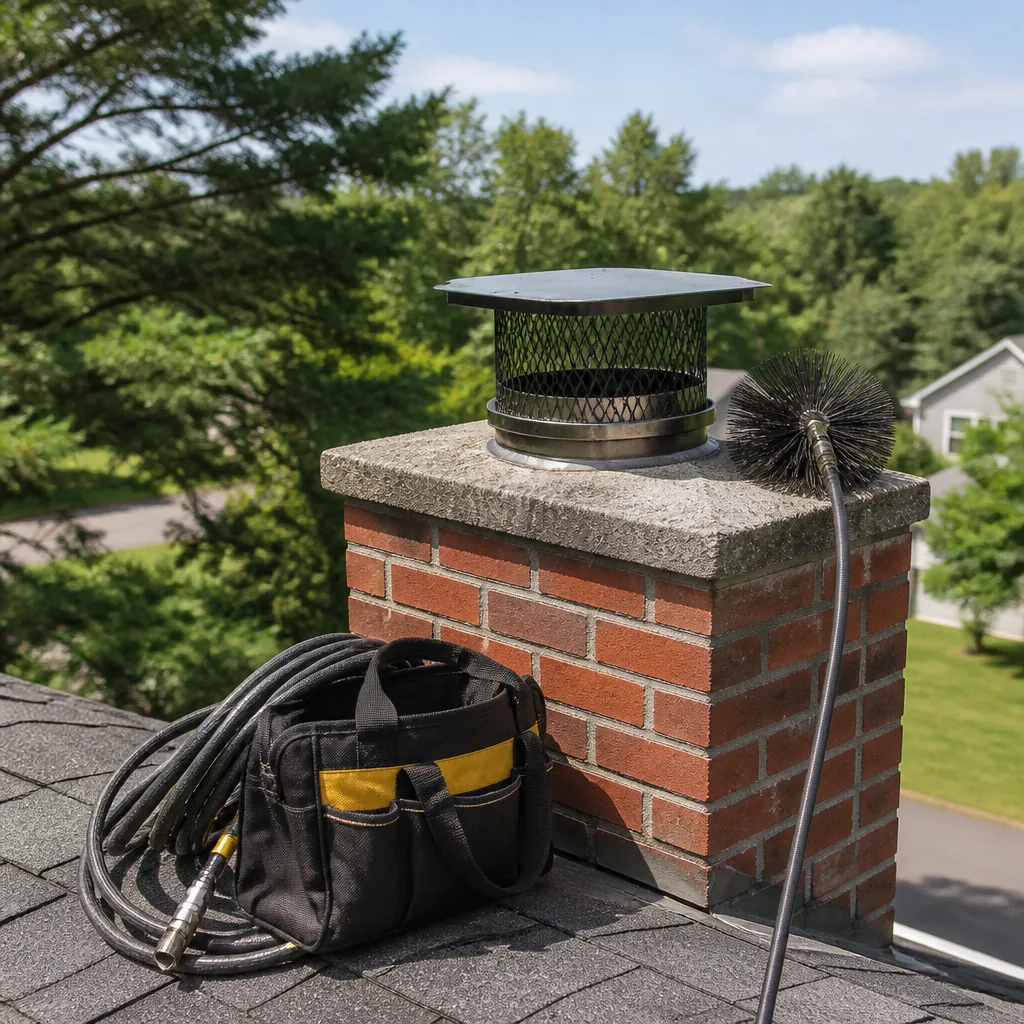
Level 1 sweep and inspection to the NFPA 211 annual standard - flue, crown, cap, and flashing checked and photographed
Chimney sweep logs do not sweep chimneys. They loosen some creosote - which then falls where a brush and vacuum still have to collect it.
Chimney Cleaning Permits, Codes & Inspections in Southeast Raleigh, NC: What You Need to Know
Here’s the part most homeowners get wrong: the cleaning itself almost never needs a permit, but almost everything that happens after a cleaning might. A sweep and a visual inspection are routine maintenance. Replacing a liner, rebuilding a firebox, or installing a new insert are construction work, and Wake County treats them that way. The line between the two is where problems start, because unpermitted chimney work can sit quietly in a house for years and then surface at the worst possible moment: an insurance claim, an appraisal, or a resale inspection. This guide draws that line clearly for homeowners in Southeast Raleigh, from what the North Carolina Residential Code actually covers to how to verify that a permit was pulled and the work was inspected.
Quick Answer
A standard chimney sweep and inspection in Southeast Raleigh does not require a permit. Permit triggers in Wake County are liner replacement, masonry firebox reconstruction, and wood or gas insert installation, all of which fall under the venting provisions of the NC Residential Code (Sections M1801 – M1803) and local building department review. Inspections themselves are performed to the NFPA 211 standard, and you can confirm any permit was pulled and closed through Wake County’s online permit lookup.
Styles & brands we work with
- Sweep & inspection
- Caps & crowns
- Flue relining
- Masonry repair
- Gas fireplace service
Table of Contents
- Where the Permit Line Falls: Cleaning vs. Construction
- What the NC Residential Code Says About Chimney Venting
- Specific Permit Triggers in Wake County
- NFPA 211: What the Inspection Standard Means in Practice
- How to Confirm a Permit Was Actually Pulled
- Insurance and Resale: Why Unpermitted Work Follows You
- Documenting Compliant Work for Your Records
- Common Mistakes to Avoid
Where the Permit Line Falls: Cleaning vs. Construction
Homeowners in Southeast Raleigh ask us this constantly, and the honest answer is simpler than most people expect. A sweep is maintenance. No permit, no inspection, no paperwork beyond the report you should receive. The moment a contractor opens the structure, removes a liner, cuts into masonry, or changes the appliance connected to the flue, the work becomes regulated construction.
The practical test is whether the work changes the venting system itself. Cleaning removes creosote and debris from a system that stays exactly as it was. Relining changes what the flue is made of. Firebox rebuilding changes the structure that contains the fire. Insert installation changes the appliance producing the exhaust. Only the second group touches code.
Work that does not require a permit in Southeast Raleigh
- Routine chimney sweeping, including removal of creosote, soot, and blockages
- Level 1, 2, or 3 inspections performed to NFPA 211
- Chimney cap installation, in most cases, since a cap is an accessory at the top of the flue rather than a structural change; ask your building department if the cap installation involves masonry work
- Cleaning and servicing of the firebox and damper without structural repair
Work that does require a permit
- Liner replacement, including stainless relining with products like DuraFlex or an Olympia Chimney system
- Masonry firebox reconstruction or significant rebuild of the smoke chamber
- Installation of a wood, gas, or pellet insert, which changes the appliance and often the venting
- Structural chimney repair that alters the footprint, height, or load-bearing elements of the chimney
If you’re unsure which side of the line your job sits on, that’s a fair question to ask before any work begins. A contractor who can’t tell you clearly whether a permit is required, and why, is telling you something about how they work. Our approach is to inspect first and quote second, which means the permit question gets answered before anyone picks up a tool.
What the NC Residential Code Says About Chimney Venting
The North Carolina Residential Code, in Sections M1801 through M1803, governs venting systems for appliances: how a flue is sized, how it’s constructed, how it terminates, and what clearances apply. For chimney work, those sections matter because they define what a compliant venting system looks like. When a contractor replaces a liner or installs an insert, the finished system has to meet those provisions, and the building department is the entity that confirms it does.
What M1801 – M1803 is not is a maintenance statute. It doesn’t tell you how often to sweep, and it doesn’t require an annual inspection. That’s a distinction worth holding onto, because contractors sometimes blur code compliance and maintenance to make a routine sweep sound more regulated than it is. Your cleaning schedule is a function of how much you burn and what you burn, not a code requirement.
Where the code provisions do apply directly to Southeast Raleigh homeowners is in renovation and repair. If a liner is being replaced, the new liner has to be listed and installed per its manufacturer’s instructions and the code’s venting requirements. If a masonry chimney is being rebuilt above the roofline, the clearances and termination height requirements apply again as if the chimney were new. The old chimney being “grandfathered” is not a defense a contractor can lean on once they’ve opened it up and rebuilt it.
One local wrinkle: much of Southeast Raleigh’s housing stock includes mid-century brick ranches and older mill-era homes where chimneys were built to standards that have since been revised. Interior clay tile liners with mortar joints, exterior chimneys on unheated walls, and original fireboxes sized for open fires are all common. When those systems get modified, they don’t get modified to 1950s expectations. They get brought up to current code, and that’s an important conversation to have before signing an estimate.
Specific Permit Triggers in Wake County
Wake County’s permit requirements for chimney work follow the state code but are administered locally, which means the trigger points matter as much as the code text. Here are the three most common permit-required chimney projects we see in Southeast Raleigh, and what each one involves at the permitting level.
1. Liner replacement
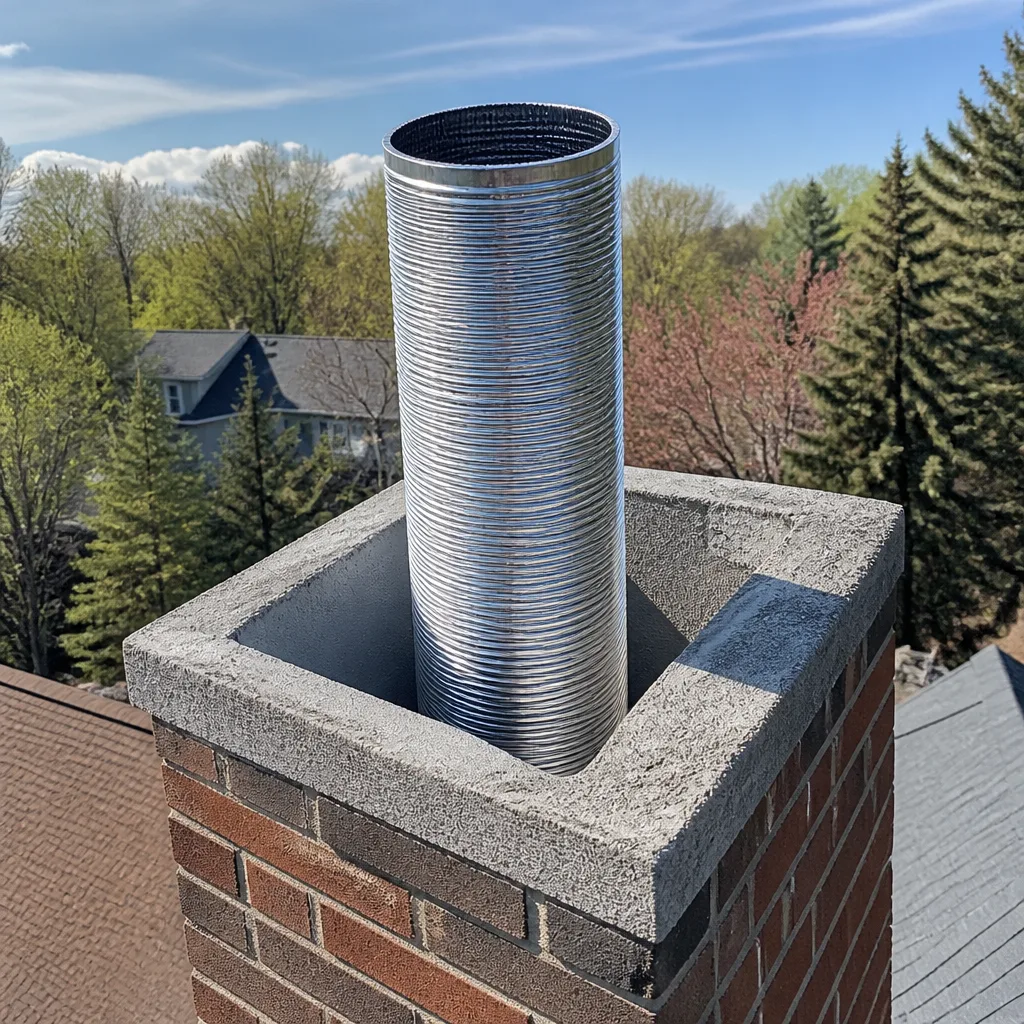
A liner replacement is a venting system change, and it requires a permit. The permit typically covers the liner installation itself plus the related work at the top (cap, crown) and bottom (appliance connection) that the change requires. Stainless relining with a DuraFlex or Olympia Chimney system falls here. So does a HeatShield resurfacing job when it’s being done to restore a deteriorated flue: the work changes the interior surface of the venting system and needs to be inspected.
2. Masonry firebox reconstruction
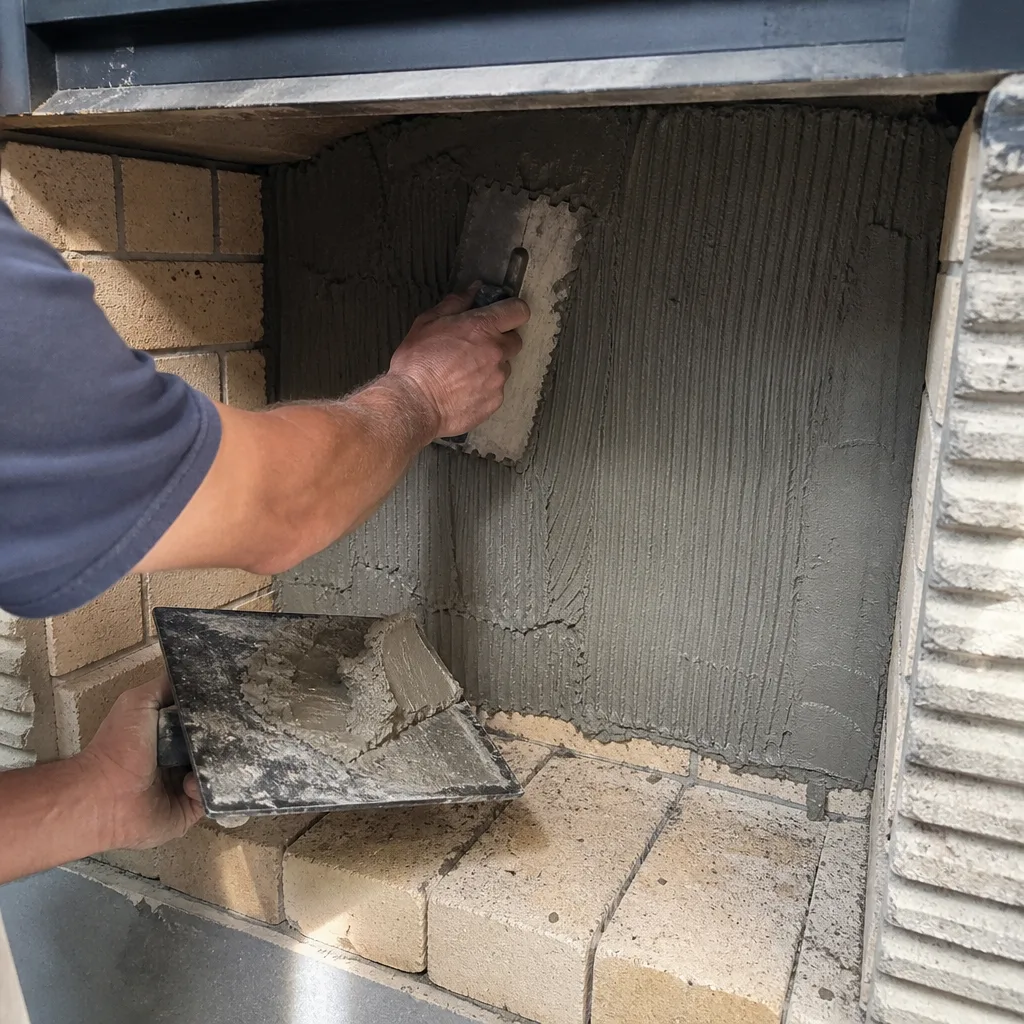
Rebuilding a firebox, repairing a cracked smoke chamber, or doing significant masonry repair inside the firebox requires a permit. This is structural work within the venting system, and it’s inspected for clearances, materials, and the integrity of the assembly. Firebox work is one of the areas where unpermitted shortcuts are most common, because the work is largely inside the chimney and out of sight once the job is done.
3. Appliance and insert installation
Installing a new wood insert, gas insert, or freestanding stove that connects to the chimney requires a permit. The appliance has its own listing and clearance requirements, and the venting has to be matched to it. An insert dropped into an existing firebox without a permit and without matching the liner to the appliance is one of the more common compliance gaps we find during inspections.
For homeowners who want to see the full scope of what our service covers, our Chimney Sweep Southeast Raleigh page walks through the whole system from cap to firebox. For the work that specifically crosses the permit line, the chimney sweep and inspection services are where the conversation usually starts, because an inspection is what tells you whether the job is even necessary.
NFPA 211: What the Inspection Standard Means in Practice
When a contractor tells you they inspected your chimney to NFPA 211, they’re referencing the National Fire Protection Association standard for chimneys, fireplaces, vents, and solid fuel-burning appliances. What that actually means is the inspection follows a defined scope, and the scope is defined by three levels.
- Level 1 inspection. A visual check of the readily accessible portions of the chimney and venting system, plus the appliance connection. This is the standard inspection during a routine sweep, and it’s appropriate when the system hasn’t changed and you’re not buying or selling the home.
- Level 2 inspection. Everything in Level 1 plus accessible attic, crawlspace, and rooftop areas, and typically a video scan of the interior of the flue. This is required after any change to the system (a new liner, a new appliance, a different fuel type), after a chimney fire, and during a real estate transaction.
- Level 3 inspection. The most involved level, used when a Level 1 or 2 inspection identifies a problem that requires access to concealed areas, such as removing a section of wall or masonry to see the chimney directly.
In practice, the difference between a real NFPA 211 inspection and a “we looked at it” inspection is documentation. A compliant inspection produces a written report identifying what was inspected, what was found, and what, if anything, needs attention. It’s also the document that lets a permit inspector close out a job cleanly, and the document an insurance adjuster will want to see if a claim ever involves the chimney.
For most Southeast Raleigh homeowners with a wood-burning fireplace, a Level 1 inspection during the annual sweep is enough. If you’re buying a house, have had a chimney fire, or have just had any work done to the system, a Level 2 is the right call. Our standalone fireplace repair and inspection service exists precisely so you can get an assessment without committing to any repair work upfront.
How to Confirm a Permit Was Actually Pulled
This is the step most homeowners skip, and it’s the one that protects you. A contractor saying “we pulled the permit” and a permit actually existing in the county system are two different claims. Verification takes about two minutes.
- Get the permit number from the contractor in writing before work begins. A legitimate contractor will provide it without hesitation.
- Look it up on Wake County’s online permit lookup. The county maintains a searchable permit portal. Enter the address or permit number and confirm the permit exists, the scope matches the work being done, and the status reflects an active permit.
- Confirm the required inspections occurred. Permitted chimney work typically includes an inspection at specific stages. Check that the inspection was actually performed rather than just scheduled.
- Verify the permit was closed out. A permit that was pulled but never inspected or closed is not compliant work. It’s an open liability. Ask for the final inspection result and keep a copy.
If you’ve inherited a home with prior chimney work and you don’t know whether it was permitted, the lookup is still useful. If nothing shows up for work that clearly happened, that’s a question worth raising, and a Level 2 inspection is the right next step to establish what’s actually in the chimney.
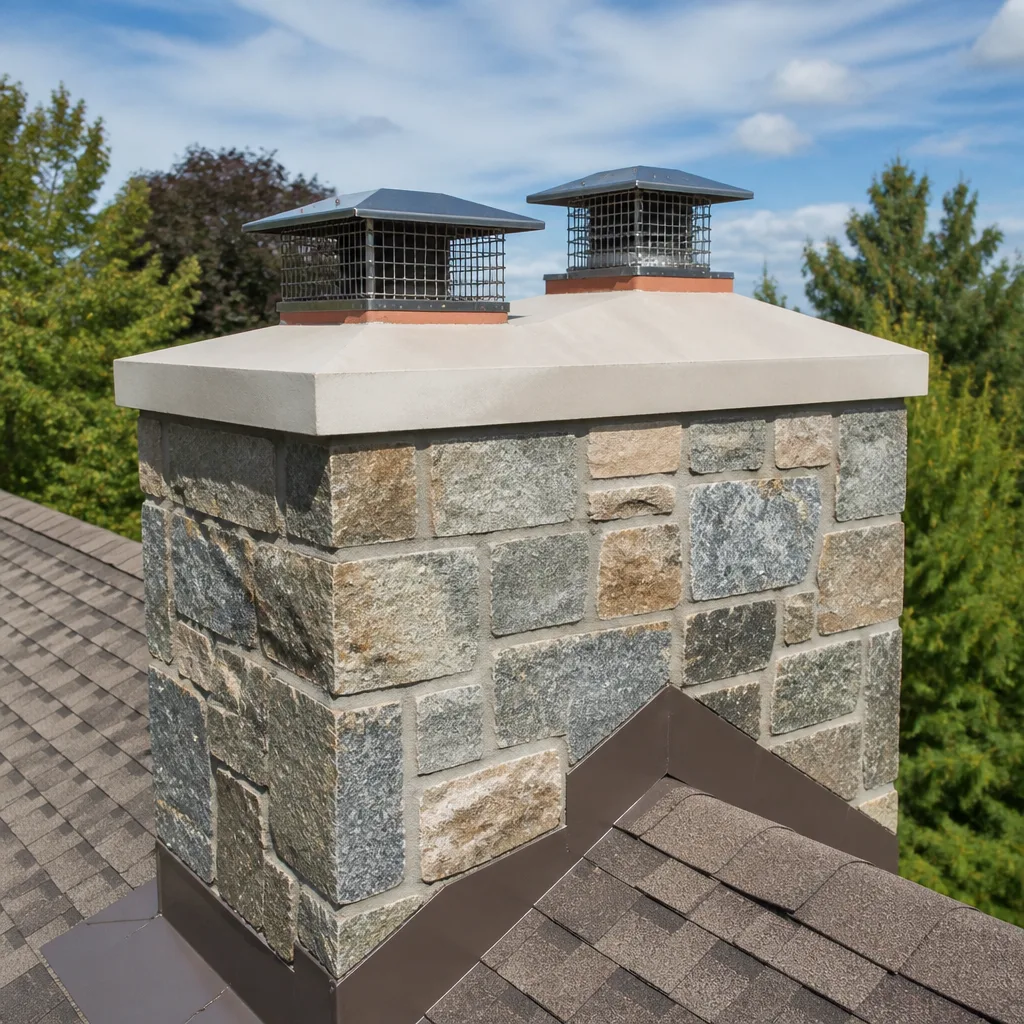
For cap and crown work specifically, which is often part of a larger job, our chimney cap & crown service pages cover what the installation involves at the top of the system. Cap and crown together seal the top of the chimney against water, which is the single biggest driver of the structural deterioration that later triggers the bigger repair jobs.
Insurance and Resale: Why Unpermitted Work Follows You
Unpermitted chimney work doesn’t fail immediately. It fails at the worst moment. If you file a fire-related claim and the insurer determines that a liner, firebox, or appliance modification was done without a permit and without inspection, the carrier can dispute coverage for the loss. That’s not a scare tactic, it’s a standard feature of homeowner policies: the insurer’s position is that the work wasn’t done to code, and therefore the loss wasn’t a covered event in the way you understood it to be.
Resale is the other moment. A buyer’s inspector will flag chimney work of unknown status, and a seller’s disclosure has to address it. A missing permit becomes a negotiating point, a delayed closing, or a situation where the seller ends up paying to open walls and redo work that was already done once. In the Southeast Raleigh neighborhoods where brick ranches from the mid-twentieth century are common, a prior owner’s relining job with no paper trail is not unusual, and it surfaces reliably during the sale.
The good news is the fix is straightforward if you catch it early. Permitted work, properly inspected and documented, protects you on both fronts: your insurer recognizes the work, and your resale file is clean. If you’ve just bought a house and have no records of prior chimney work, a Level 2 inspection plus a permit lookup gives you the clearest picture of what you actually own.
Documenting Compliant Work for Your Records
The single best thing you can do for the long-term value of your home’s chimney is keep a file on it. Not for us, for you. Insurance adjusters, home inspectors, and buyers all respond to paper.
- The permit number and final inspection result for any liner, firebox, or appliance work
- The inspection report from any NFPA 211 inspection, including any photos or video scans
- The written estimate and invoice showing the scope of work performed
- Product documentation for the specific materials installed, including the liner manufacturer (DuraFlex or Olympia Chimney systems, for example) and any resurfacing materials used
- A dated record of sweeps so you can show the maintenance history
We supply these documents as a matter of course. When we finish a job, you get a report and the material documentation that goes with it, so the file stays current. If you’ve moved into a Southeast Raleigh home with no chimney records at all, the right first step is an inspection, and the second step is building the file from there.
Chimney Sweep Pricing and What a Fair Estimate Looks Like in Southeast Raleigh
Pricing for chimney work in Southeast Raleigh varies by the system and the scope, so there isn’t one number that applies to every house. What a fair estimate should do is separate the routine service from the permit-triggering work and give you a written range before anything begins. Here’s how we break it down so you can compare like with like.
- Sweep and Level 1 inspection: Routine maintenance. Usually a modest flat rate, and the report should come with it.
- Level 2 inspection with video scan: Priced separately, and typically higher because it involves a flue camera and more access.
- Liner replacement: Priced per job based on the length and diameter of the flue and the liner material, plus the permit.
- HeatShield resurfacing: Priced per job; in some cases it’s a repair-based alternative to full liner replacement.
- Firebox or masonry repair: Priced per job once the extent of the repair is known from inspection.
- Cap and crown: Priced per job based on the crown size and material.
The written estimate sets the final price, and the estimate should reflect what the inspection actually found, not what a contractor assumes they’ll find. This is why we inspect before we quote. It’s also why our inspection is a standalone service: you can get the assessment without any obligation to buy the resulting repair, and you can take that report elsewhere if you want a second opinion. The industry materials in a compliant job come from recognizable manufacturers, which is why we work with brands like DuraFlex, Olympia Chimney, and Famco rather than whatever the box store has on the shelf.
Common Mistakes to Avoid
- Assuming a sweep and a reline are the same category of work. One is maintenance, the other is permitted construction. Contractors who don’t make the distinction clearly are worth a second look before you sign.
- Not verifying the permit was actually pulled. A verbal assurance is not a permit. Check the Wake County online lookup before work begins, not after.
- Skipping the Level 2 inspection after a change in the system. If a liner was replaced or an appliance was installed, the system changed, and NFPA 211 calls for a Level 2. Skipping it leaves you without the documentation you may need later.
- Assuming an insert is a plug-and-play appliance. Inserts require a permit, a matched liner, and clearance verification. A dropped-in insert without the matched liner is one of the more common compliance gaps we find in Southeast Raleigh homes.
- Discarding the inspection report and material documentation. The value is in the paper trail. Keep the permit result, inspection report, and product documentation in your home file.
- Treating the annual sweep as a permit-required event. It isn’t, and a contractor who implies it is doesn’t understand the code or doesn’t want to explain the difference.
- Waiting until a problem shows up at insurance or resale. Unpermitted work surfaces at the worst moment. If you’ve just bought a home with an unknown chimney history, get the inspection and the permit lookup done early.
See the difference
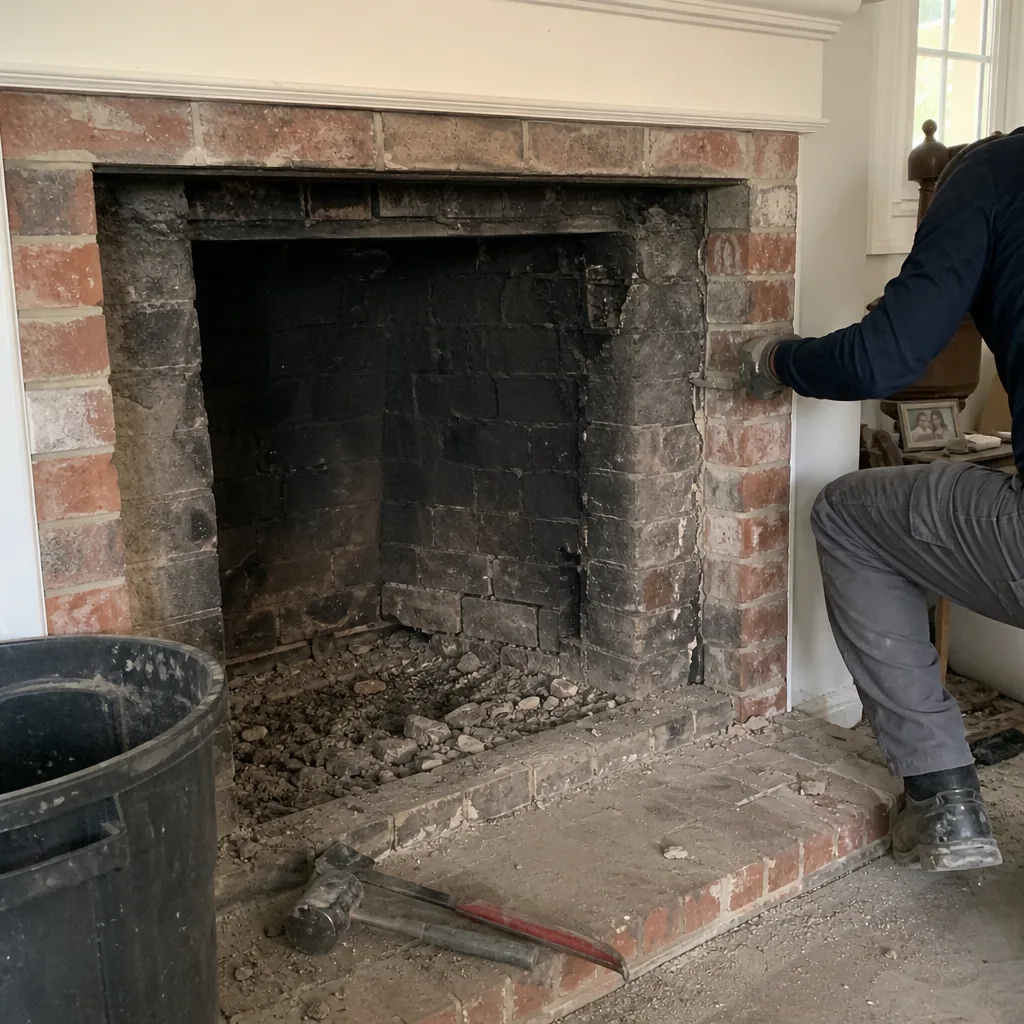 Before
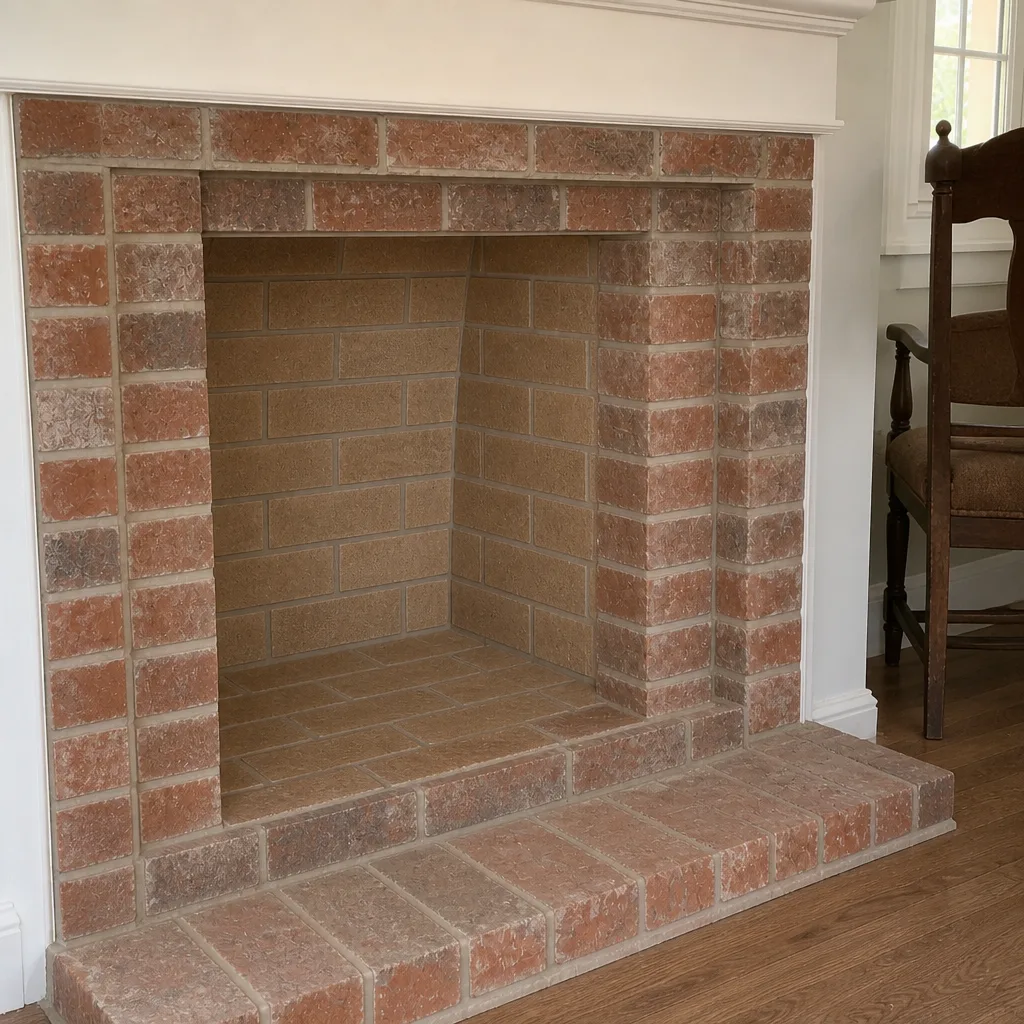 After
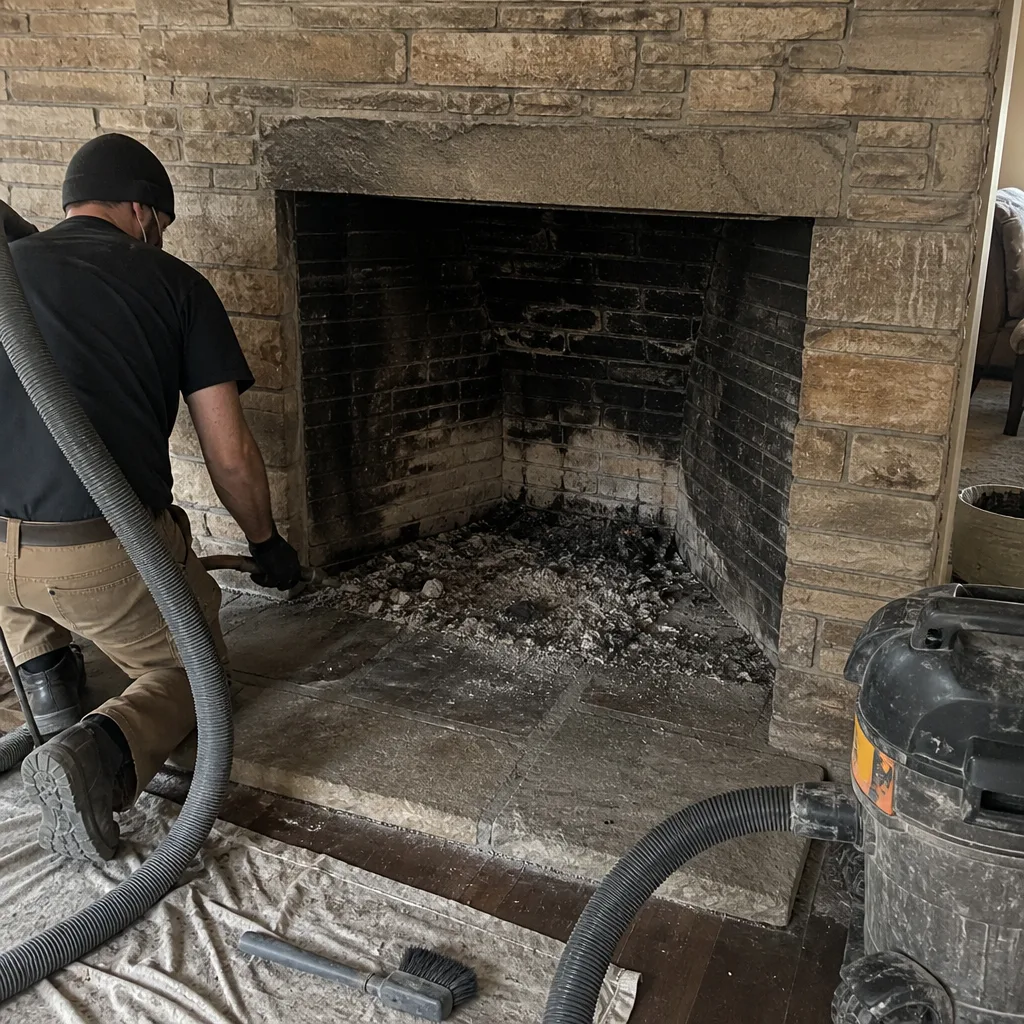 Before
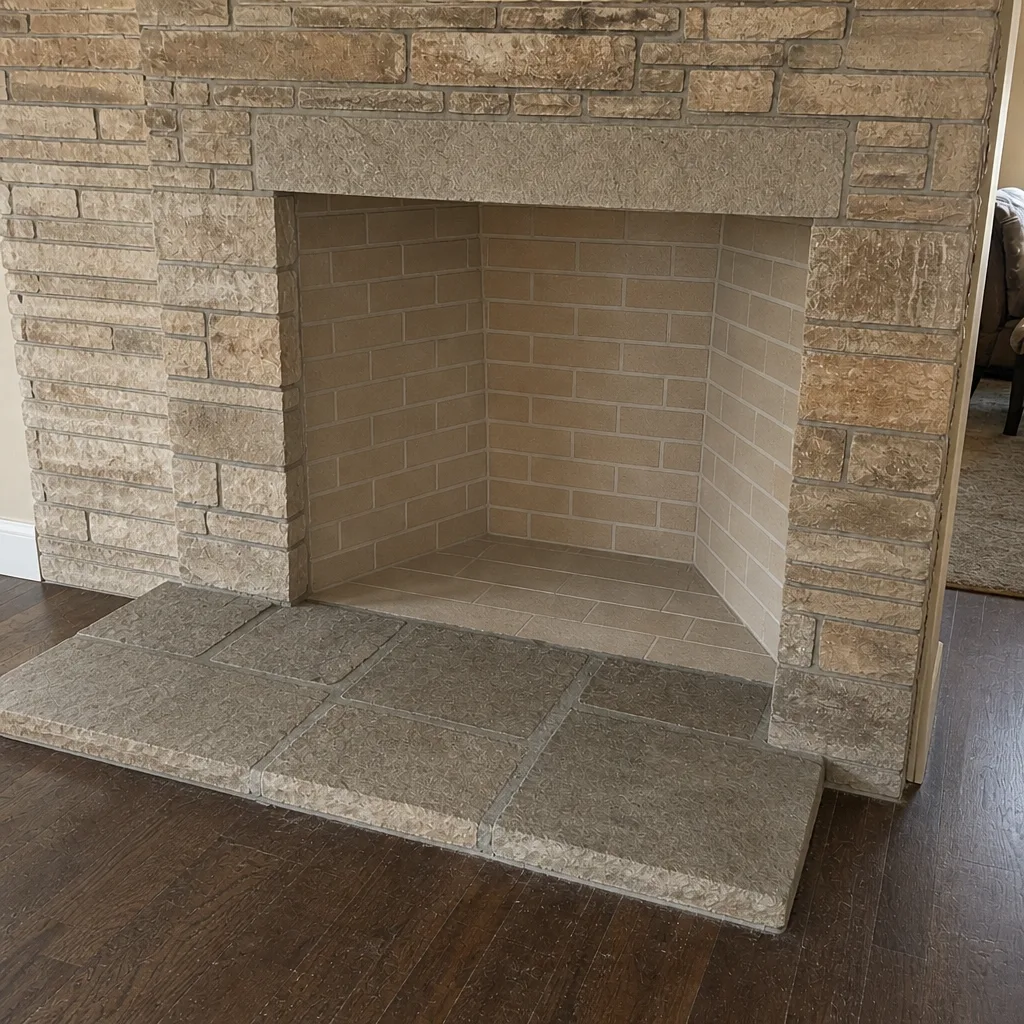 After
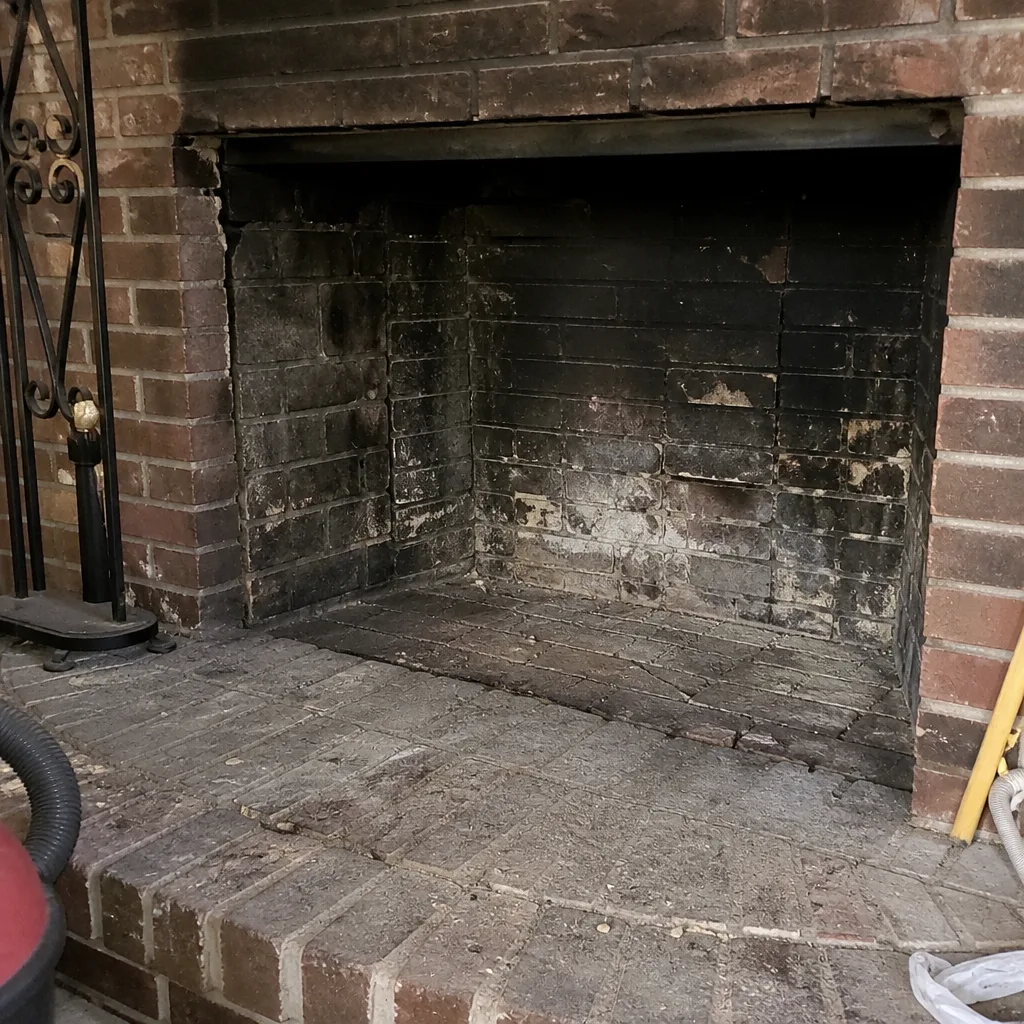 Before
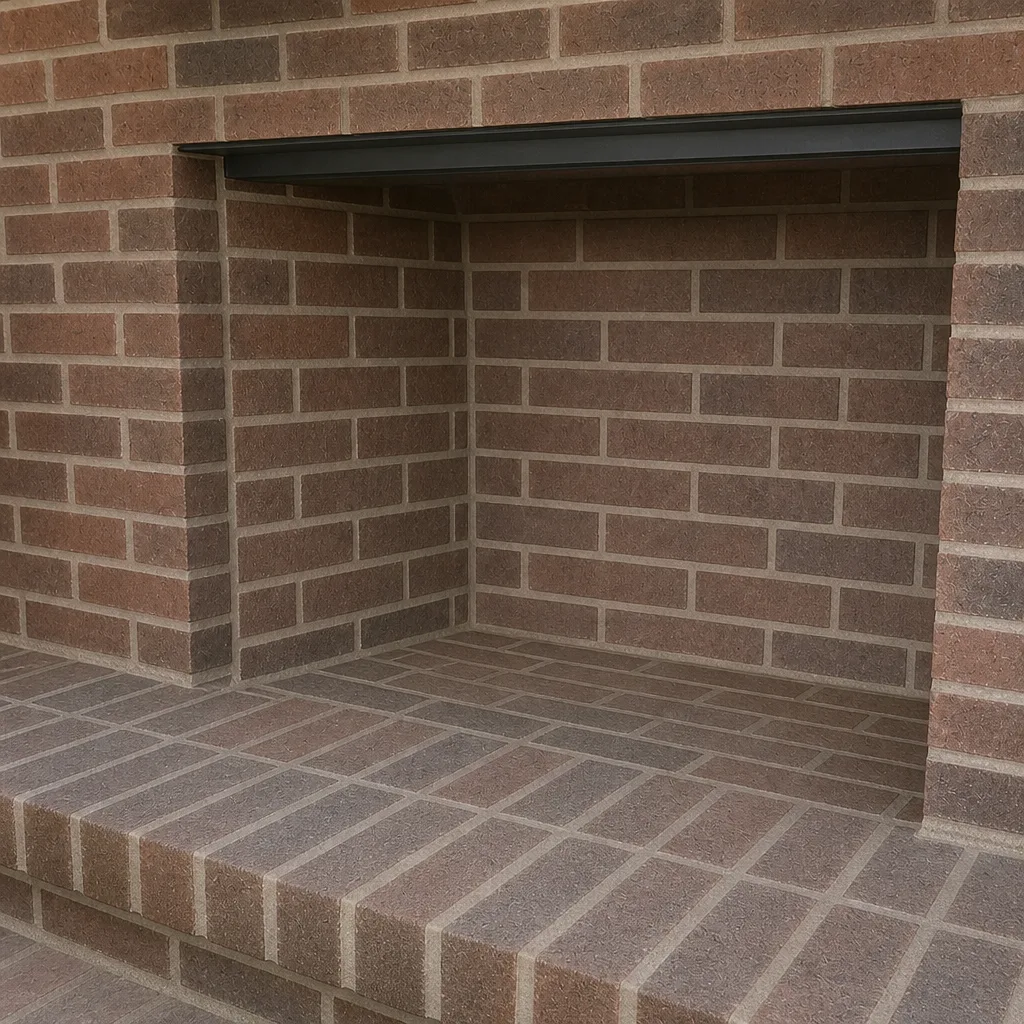 After
When to Call a Professional
Call a professional before work begins if any of these apply: you’ve just bought a Southeast Raleigh home and have no chimney records; you’ve had a chimney fire, even a small one; a contractor has proposed a liner replacement, firebox rebuild, or insert installation; you’re selling a home and the buyer’s inspector has flagged the chimney; or you’ve noticed water staining, crumbling masonry at the crown, or a strong odor from the fireplace in warm months. In each of these cases, the inspection is the starting point, and it’s the only responsible way to decide whether work is needed at all.
Chimney Sweep Southeast Raleigh offers free estimates in Southeast Raleigh. Our technicians have up to 13 years of experience, we work with professional-grade brands including DuraFlex, Olympia Chimney, and Famco, and we inspect before we quote so you get an assessment you can compare and verify. Call (833) 513-8676. We answer 24/7. Fast dispatch from 7am to 7pm, Sunday through Friday.
Frequently Asked Questions
No. Routine chimney sweeping in North Carolina does not require a permit, and neither does a Level 1, 2, or 3 inspection under NFPA 211. The permit requirement kicks in only when the work changes the venting system, such as liner replacement, masonry firebox reconstruction, or appliance and insert installation. If you’re a homeowner in Southeast Raleigh and you’re unsure which side of the line your job is on, call (833) 513-8676 for a free estimate and we’ll walk you through it.
Liner replacement, masonry firebox reconstruction, and wood or gas insert installation trigger a Wake County permit. Each of these changes the venting system or the appliance connected to it, which puts the work under the NC Residential Code venting provisions (Sections M1801 – M1803) and local building department review. Cap and crown installation is typically accessory work, though it depends on whether masonry repair is involved.
It means the inspection was performed to a defined scope across three levels: Level 1 for routine visual checks during a sweep, Level 2 when the system has changed or the home is being sold, and Level 3 when concealed areas have to be opened up. The practical difference between a real NFPA 211 inspection and a casual look is documentation. You should receive a written report identifying what was inspected, what was found, and what needs attention. Call (833) 513-8676 if you need a documented inspection in Southeast Raleigh.
You look it up on Wake County’s online permit lookup. Ask the contractor for the permit number in writing before work begins, search the address or permit number on the county portal, confirm the scope matches the work being done, and verify that the required inspections occurred and the permit was closed. A permit that was pulled but never inspected or closed is not compliant work.
It can, and specifically in the event of a fire-related claim. If an insurer determines that a liner, firebox, or appliance modification was made without a permit and without inspection, the carrier can dispute coverage for that loss. This is the strongest reason to verify permits before chimney work begins in Southeast Raleigh, rather than after.
No permit is needed for a sweep, ever. Sweeping frequency depends on how much you burn: annual for regular wood burners, more often if you burn heavily, and less often for a gas fireplace that runs clean. An annual inspection during the sweep is the reliable way to catch a problem early. Call (833) 513-8676 for a free estimate on a sweep and inspection in Southeast Raleigh.
The Bottom Line
The distinction that matters for Southeast Raleigh homeowners is clean and simple: cleaning and inspection are maintenance, and liner replacement, firebox reconstruction, and insert installation are permitted construction. Those three jobs fall under the NC Residential Code venting provisions, get reviewed by Wake County, and are inspected to the NFPA 211 standard. The step most homeowners skip is verification. Use Wake County’s online permit lookup, confirm the inspection occurred and the permit was closed, and keep the paperwork in your home file. It’s the difference between work that protects you at resale and insurance time, and work that follows you around. If you’re starting from an unknown history, inspect first.
Written by the team at Chimney Sweep Southeast Raleigh.