
Last updated November 23, 2026
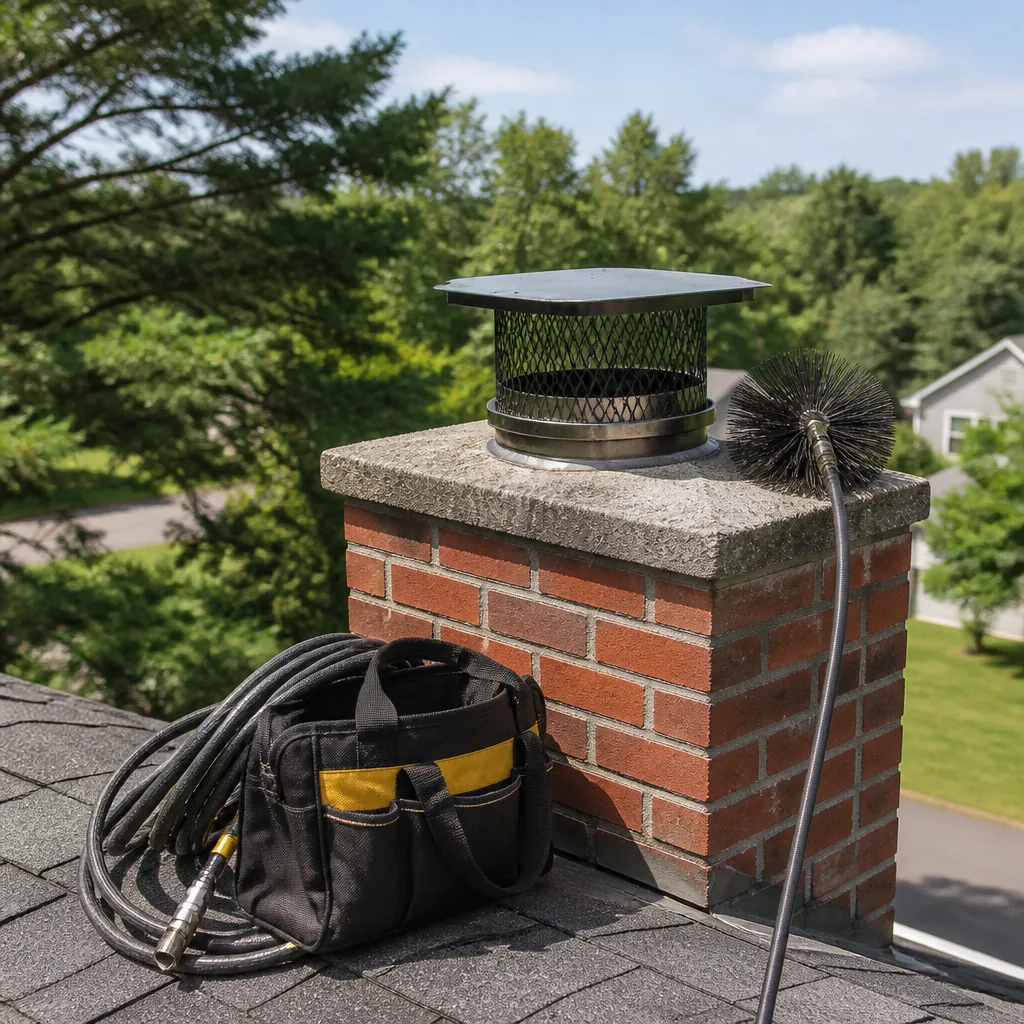 Sweep & inspection
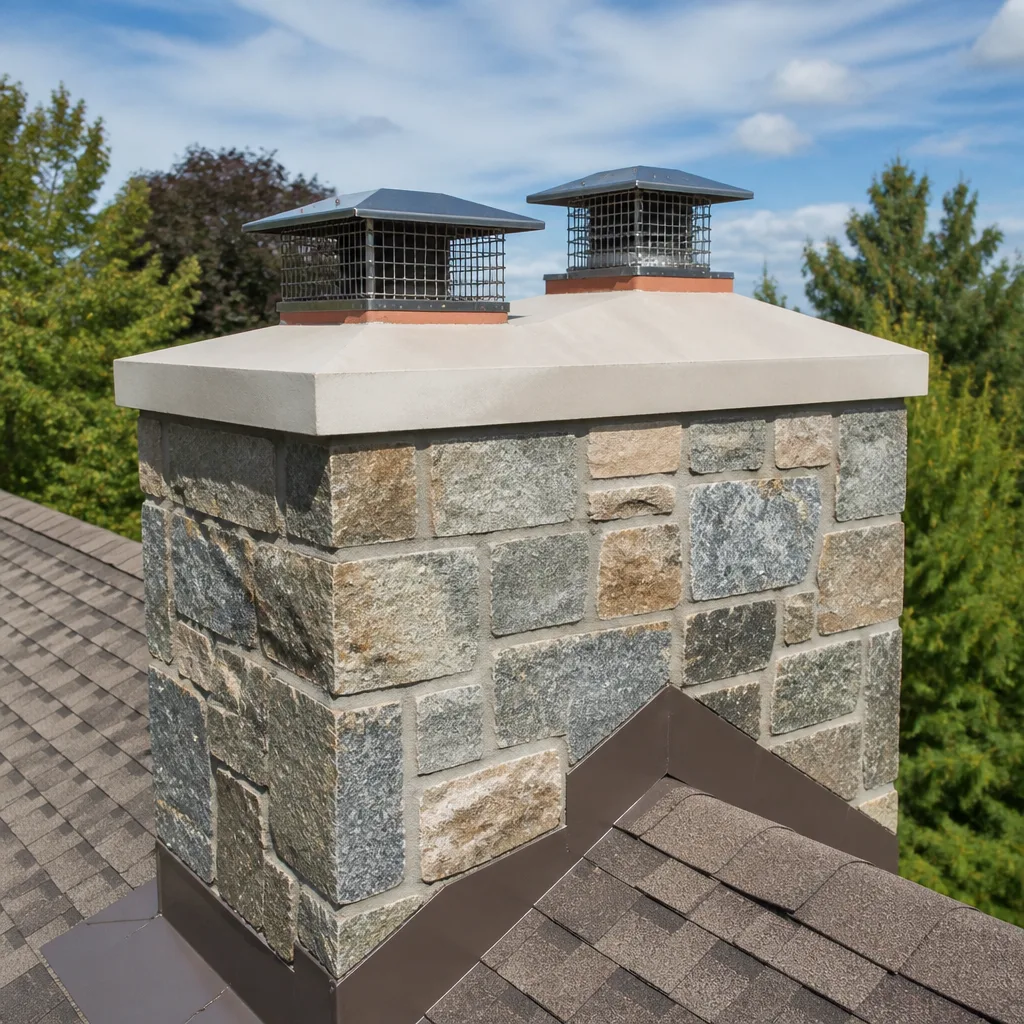 Caps & crowns
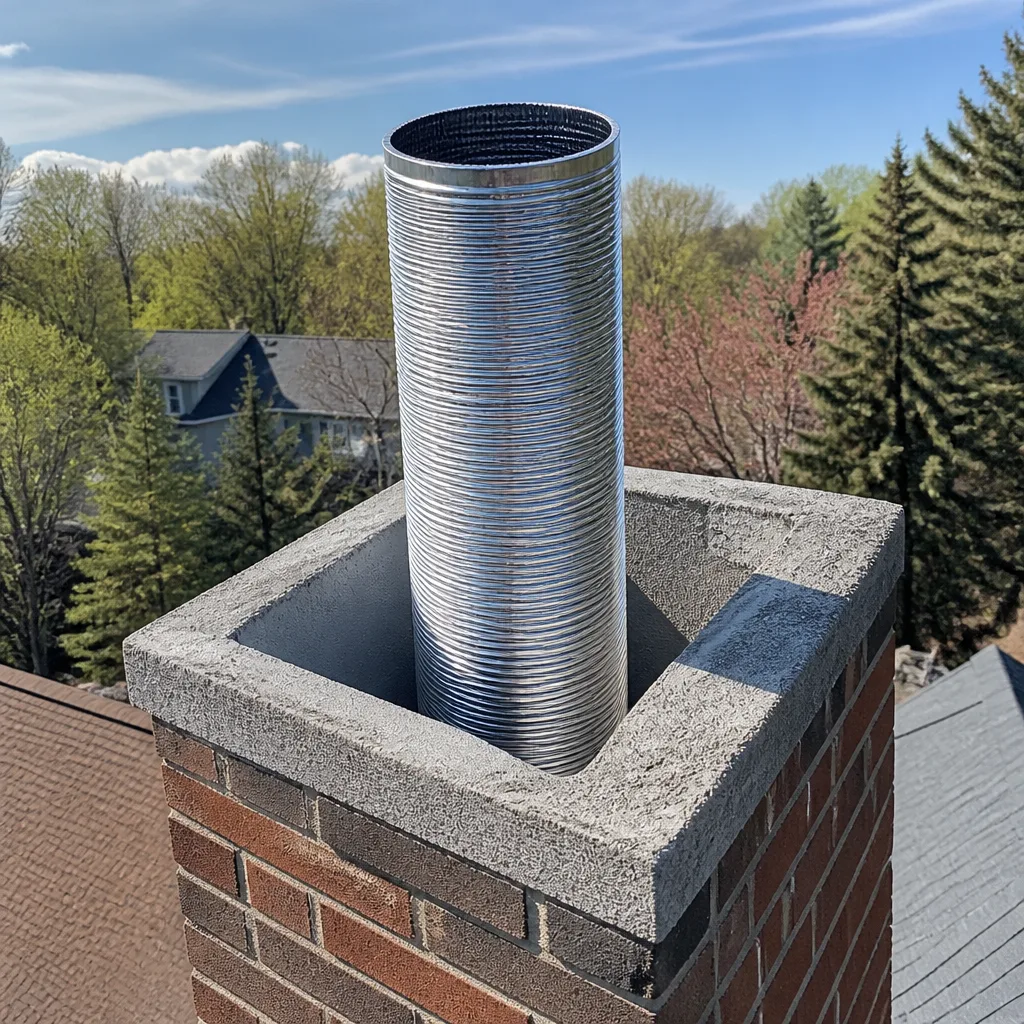 Flue relining
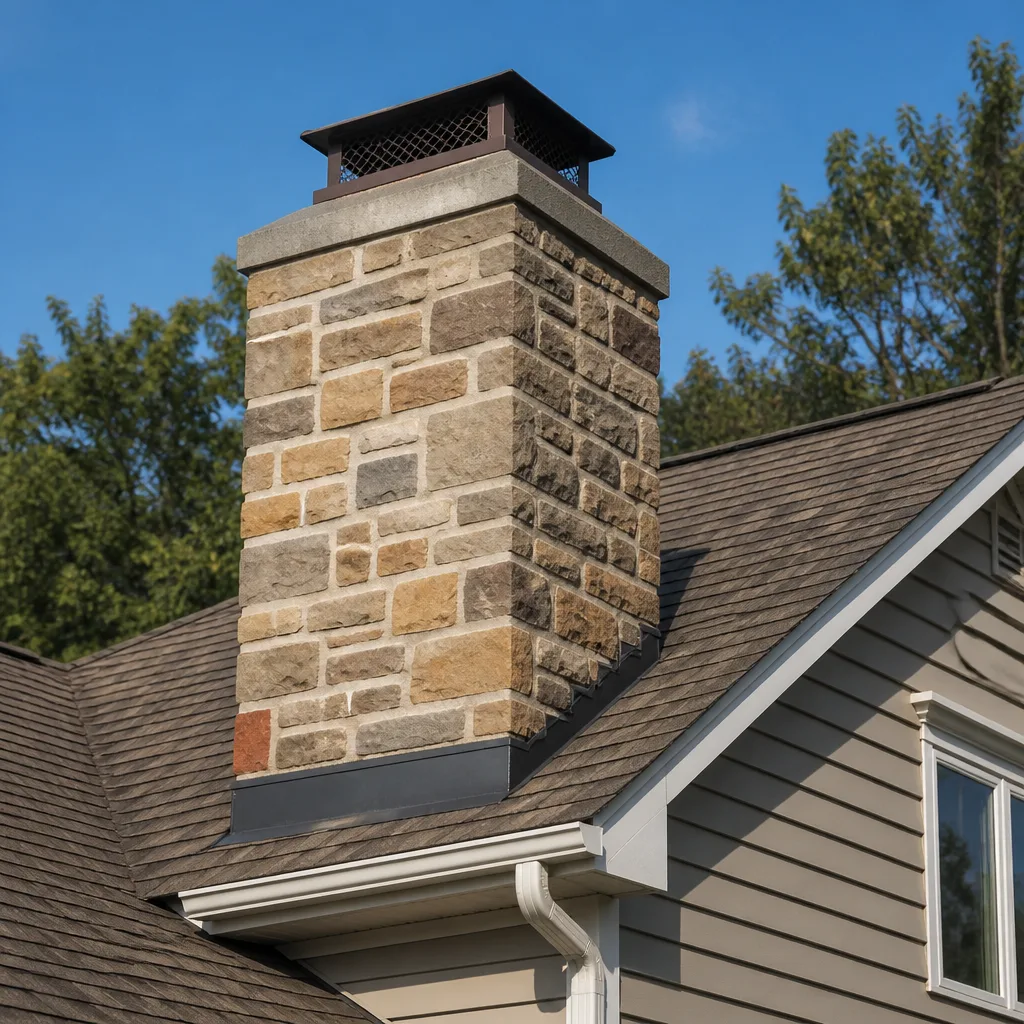 Masonry repair
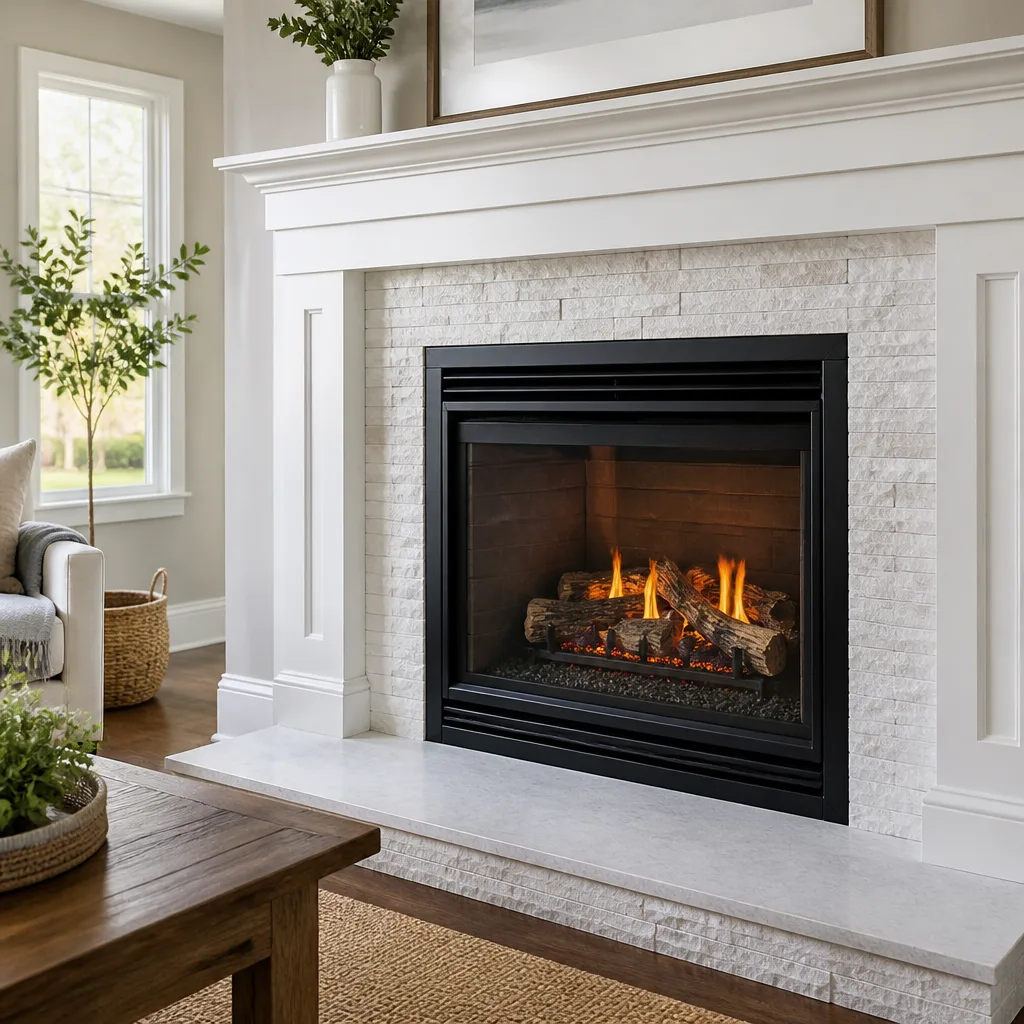 Gas fireplace service
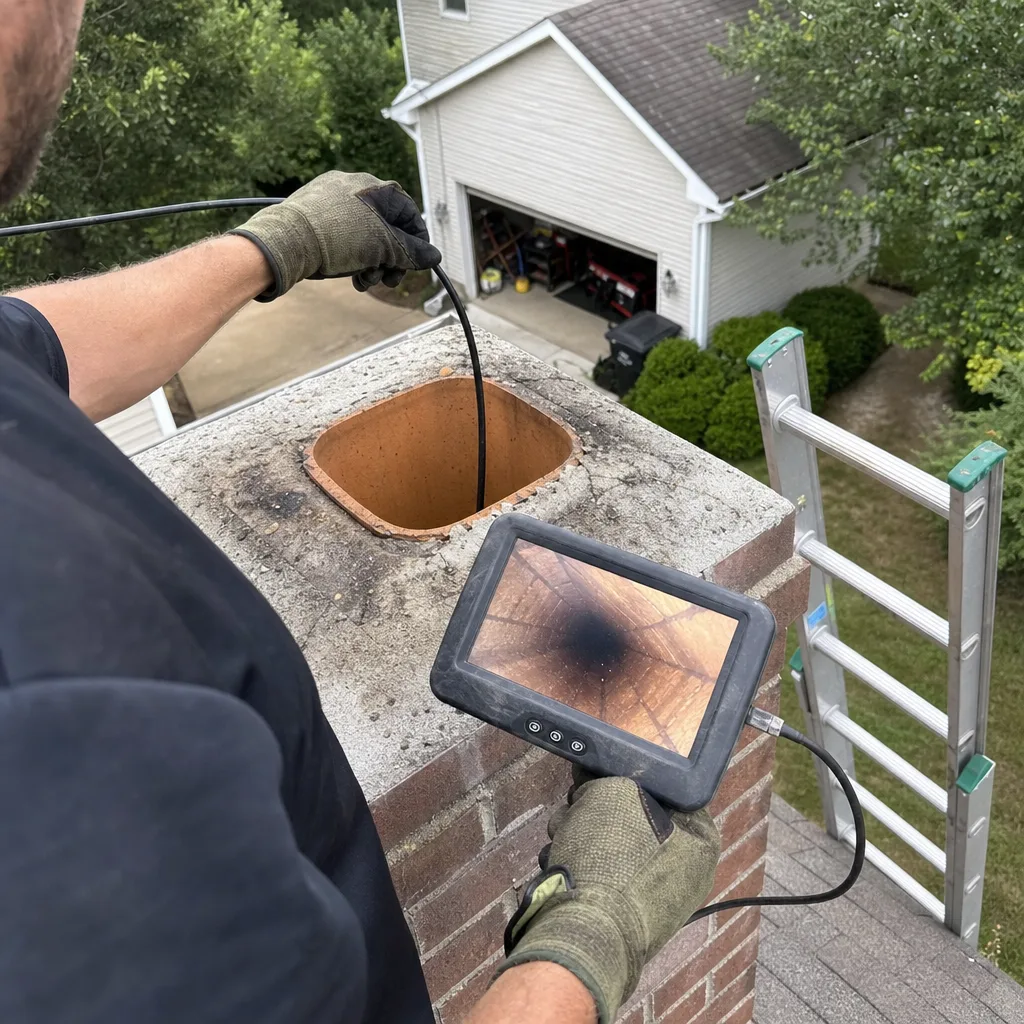
Level 1 sweep and inspection to the NFPA 211 annual standard - flue, crown, cap, and flashing checked and photographed
Chimney sweep logs do not sweep chimneys. They loosen some creosote - which then falls where a brush and vacuum still have to collect it.
Chimney Sweep Troubleshooting in Southeast Raleigh: Common Problems and How to Fix Them
A smoky living room after you light a fire isn’t always a dirty flue. It’s one of at least six distinct failure points in the system, and treating the wrong one wastes money while the real hazard stays exactly where it was. We see this constantly in Southeast Raleigh: a homeowner pours money into a cleaning when the actual problem is a damaged damper, a blocked cap, or a house that’s too tight for its own chimney to draw. This guide maps symptoms to causes so you stop guessing. You’ll learn what backdraft, smoke smell, slow draw, visible cracking, and water intrusion each actually point to, and which fixes can wait.
Quick Answer
Most chimney problems in Southeast Raleigh trace back to one of a handful of mechanical causes: a creosote or debris blockage, a failed damper, negative pressure inside the house, a cracked crown or missing cap letting water in, or a damaged flue liner. The visible symptom (smoke, smell, poor draft, staining) rarely tells you which one you have. Matching the symptom to the right cause before any work begins is what separates a real fix from a wasted invoice. An inspection, ideally with a camera, is the only reliable way to confirm which failure point you’re dealing with.
Styles & brands we work with
- Sweep & inspection
- Caps & crowns
- Flue relining
- Masonry repair
- Gas fireplace service
Table of Contents
- The Symptom-to-Cause Matrix: What Your Chimney Is Telling You
- Backdraft and Smoke Rolling Into the Room
- The Smoke Smell That Shows Up Weeks Later
- Slow Draw: Creosote, Damper, or Negative Pressure?
- Why Southeast Raleigh’s Clay Soil and Freeze-Thaw Cycles Show Up as Draft Problems
- Water Intrusion, Staining, and the Crown and Cap Connection
- What You Can Safely Check Yourself vs. What Needs a Camera or Ladder
- Same-Day Fixes vs. Grounded Fireplace
The Symptom-to-Cause Matrix: What Your Chimney Is Telling You
Here’s the core idea this whole guide rests on: the symptom you notice and the cause you need to fix are almost never the same thing. A chimney is a system, and problems surface at the weakest link, which is frequently nowhere near where the trouble started. Before you call anyone or buy anything, match what you’re seeing to what it usually means.
- Smoke rolling back into the room: negative pressure, a flue that’s too cold, an oversized flue for the firebox, or a blockage near the top.
- Smoke smell when there’s no fire: creosote residue in the flue, a downdraft pulling soot-laden air back down, or a pressure imbalance in the house.
- Slow, lazy draw: a partial creosote blockage, a damper that isn’t opening fully, or a flue that’s cooler than the fire needs.
- Visible cracking at the top: a failing crown, deteriorated mortar joints, or a flue tile that’s spalled from freeze-thaw stress.
- Water staining above the firebox or on the ceiling: a missing or damaged cap, a cracked crown, or failed flashing where the chimney meets the roof.
Each of those five symptoms can have more than one cause, and some causes produce more than one symptom. That overlap is exactly why a visual diagnosis from the ground tells you almost nothing. In Southeast Raleigh, we run into the same confusion repeatedly: a homeowner is sure they need a sweep, and what they actually need is a crown rebuild or a pressure fix. Getting the mapping right is the whole job.
Backdraft and Smoke Rolling Into the Room
Backdraft means air is moving down the chimney instead of up, and the smoke has nowhere to go but into your living room. It’s the single most misunderstood chimney complaint, because the chimney itself is often perfectly clean. The flue isn’t the problem; the pressure relationship between the chimney and the house is.
A chimney draws because warm exhaust is lighter than the cold air around it. When that temperature difference is small, or when the house is pulling harder on the chimney than the chimney can pull on the fire, smoke spills. Modern homes are built and retrofitted tight: new windows, added insulation, sealed doors. That’s good for your heating bill and hard on a chimney that needs to pull air from somewhere.
Common backdraft triggers include:
- A house that’s too airtight for the chimney to draw replacement air.
- Exhaust fans (kitchen, bath) running while a fire is lit, competing for the same air.
- A flue that’s oversized for the firebox, so exhaust cools before it reaches the top.
- A cold flue on the first fire of the season, before the chimney has warmed up.
- Nearby trees, a taller roofline, or a neighboring structure disrupting airflow over the termination.
What looks like a chimney failure is sometimes a house-dynamics failure. We inspect before we quote for this reason: if we find a clean flue and a pressure problem, no amount of sweeping will fix it. The right answer might be a make-up air source, a different cap, or a flue liner sized correctly to the appliance. In our experience, backdraft is one of the problems where homeowners most often pay for the wrong fix first. Getting a proper chimney sweep and assessment is the honest place to start, because the sweep confirms whether there’s a blockage at all before anyone talks about pressure.
The Smoke Smell That Shows Up Weeks Later
You haven’t burned a fire in a month and the living room still smells like a campsite. That lingering smoke smell is a distinct problem from smoke during a fire, and it points to different causes. In Southeast Raleigh, this complaint tends to peak in the shoulder seasons, when the weather turns mild and air pressure shifts without a fire running to keep the system warm.
Three causes explain most of it:
- Creosote and soot residue. Every fire leaves deposits on the flue walls. Those deposits hold odor, and humidity or a pressure shift releases it. A proper sweep removes the food source.
- Downdraft at the termination. A cap or termination that lets air spill back down carries soot-laden air with it. The fix is often a better-designed cap that keeps the exhaust moving up and out.
- Pressure imbalance with no fire. When the house is running exhaust fans or the HVAC system is pulling, the chimney becomes the easiest path for replacement air, and it drags smell down with it.
The important distinction is between smell that comes from residue (a cleaning and cap question) and smell that comes from airflow (a pressure and termination question). If the flue is full of creosote, sweeping addresses the source. If the flue is clean and the smell persists, you’re dealing with air movement, and the answer usually involves the cap, the termination height, or the pressure relationship. Because the smell alone doesn’t tell you which you have, we inspect first. We work with Copperfield and Olympia Chimney caps for exactly this reason: a cap that’s engineered to resist downdraft does more for a lingering smoke smell than any spray or deodorizer on the market.
Slow Draw: Creosote, Damper, or Negative Pressure?
A fire that smolders and won’t catch, or a draft you can feel but that never seems strong, is the trickiest symptom to pin down because three completely different problems produce it. This is the classic case where the visible symptom is identical but the fix is totally different. Chasing the wrong one is how homeowners end up paying twice.
Here’s how we separate them:
- Creosote blockage: a partial obstruction reduces the flue’s cross-section. Smoke has less room to move, so the draw slows. A sweep and camera inspection confirms it.
- Damaged damper: a damper that’s stuck, warped, or not opening fully chokes the fire at the throat. You can often hear or feel it binding when you work the handle.
- Negative pressure house: the chimney is fine, but the house is exhausting more air than it takes in, and the chimney is losing the tug-of-war. A fire in this house draws weakly because it’s fighting for air.
Each one has its own fix: a sweep for the blockage, a damper repair or replacement for the throat problem, and a pressure solution for the house. The mistake we see most is assuming all three are cleaning problems. They aren’t. A clean flue with a binding damper still draws badly. A clean flue with a well-working damper in a tight house still smolders.
We always inspect the flue with a camera before recommending anything. If there’s a blockage, we sweep it and confirm the flue is clear. If the damper is the problem, that’s a repair. If the house is the problem, we tell you that plainly instead of selling you a service that won’t help. That’s the difference between a diagnosis-first approach and a job that starts with a sale.
Why Southeast Raleigh’s Clay Soil and Freeze-Thaw Cycles Show Up as Draft Problems
Chimney trouble often announces itself as a draft complaint when the real cause is structural. Southeast Raleigh sits on heavy clay soil and sees repeated freeze-thaw cycles through the winter, and both of those put specific stress on a masonry chimney. The draft problem is the symptom; the structure is the cause.
Here’s what happens. Clay soil holds water and expands when it freezes and again when it thaws. A masonry chimney foundation that sits in that soil moves, and that movement transfers up into the stack. You get hairline cracks in the mortar joints and, over time, cracking in the crown at the top. Meanwhile, the freeze-thaw cycling works on the masonry itself: water enters small cracks, freezes, expands, and widens them. The cycle repeats every cold snap.
The result is a chimney that’s physically compromised in ways you can’t see from the living room. Those cracks show up as:
- A draft that gets worse over a season, because a cracked flue loses its seal and the exhaust cools before it exits.
- Staining on the exterior masonry where water has gotten behind the surface.
- Crumbling mortar at the crown or the joints, which lets even more water in.
- A flue liner that’s spalled or cracked from the inside, which is a draft problem and a safety problem at the same time.
This is where a structural repair and a draft repair become the same job. If the crown is cracked, the water intrusion feeds the very deterioration that’s weakening the draw. We repair the crown and cap together, because they seal the top of the system as a pair. For liner issues, we use HeatShield, a specialist resurfacing system that repairs a damaged liner from the inside where the condition allows, instead of defaulting to a full liner replacement. That choice matters: resurfacing addresses the specific failure without the cost and disruption of tearing the old liner out. A generalist who doesn’t know the system reaches for a replacement every time. Knowing the difference is a big part of what makes this a specialty.
If you’re seeing draft problems that get worse each winter in Southeast Raleigh, don’t assume it’s a cleaning issue. It may be your crown, your liner, or the masonry above the roofline. An inspection tells you which. You can book a chimney sweep Southeast Raleigh visit that includes the camera assessment, so you know what you’re dealing with before anyone quotes a repair.
Water Intrusion, Staining, and the Crown and Cap Connection
Water causes more chimney deterioration than fire does, and it usually enters at the two points homeowners never think to check: the cap and the crown. The crown is the concrete surface at the very top of the chimney, and the cap is the cover over the flue opening. Together they’re the roof of the system. When either one fails, water has an open door.
Here’s the chain reaction. A crack in the crown lets rainwater seep into the masonry. That water freezes in cold weather and expands, widening the crack. The wider crack lets in more water, which migrates down through the flue and into the firebox area, which is why the staining shows up where you least expect it. A missing or damaged cap lets water fall straight down the flue, and it also lets in debris, leaves, and animals.
Signs you have a water intrusion problem:
- White or gray staining on the exterior masonry.
- Dampness or staining on the ceiling or wall near the chimney.
- Water in the firebox after a rain.
- A rusted damper or firebox components.
- Crumbling mortar around the crown or the flue tiles.
Repairing one without the other is a partial fix. A new cap on a cracked crown still lets water into the masonry. A rebuilt crown with a failing cap still lets water down the flue. We handle chimney cap & crown work together for that reason: the two seal the top as a unit. For caps, we work with Copperfield and Olympia Chimney because the design of the termination affects both water shedding and downdraft. When water is the symptom, the crown and cap are the first place we look, and often the whole fix lives right there at the top.
What You Can Safely Check Yourself vs. What Needs a Camera or Ladder
Not every check requires a professional, and we’d rather you know the difference than pay for a visit to learn something you could have seen yourself. Some things are safe and useful to inspect from the ground. Others are genuinely dangerous or simply impossible without the right equipment.
Safe to check yourself:
- The firebox: look for cracked firebrick, loose mortar, or gaps that need attention.
- The visible smoke chamber from below: check for obvious heavy soot buildup or damage you can see looking up from the firebox with a light.
- The exterior masonry at ground level: note staining, crumbling mortar, or visible cracks in the crown from a safe distance with binoculars.
- The cap from the ground: confirm it’s present and not visibly damaged or missing.
- The damper operation: work the handle and feel whether it opens and closes smoothly.
Needs a camera or a ladder, so leave it to us:
- The full flue interior, where creosote buildup, spalled liner tiles, and hidden cracks live.
- The crown and flashing up close, where the cracks that matter are often only visible from above.
- The liner condition, which requires a camera to assess accurately.
- The chimney top and any repair work that requires getting on the roof.
The reason this division matters is safety. Getting on a roof or working around a chimney top is genuinely dangerous, and a camera inspection sees the flue far better than any flashlight from the firebox ever will. If your visual checks turn up cracking, staining, or a firebox that looks compromised, that’s the point to stop looking and get a real assessment. If the firebox itself needs work, that’s fireplace repair territory, and it’s better handled by someone who assesses the whole system rather than just the part you can see.
Same-Day Fixes vs. Grounded Fireplace
Not every problem we find requires shutting the fireplace down, and knowing which is which saves you from both needless worry and real risk. The dividing line is simple: if the issue affects the safe venting of exhaust or the structural integrity of the flue, the fireplace stays off until it’s fixed. If it’s a maintenance or weatherproofing item, it can often be handled and the fireplace stays in use.
Often fixable the same day, so the fireplace keeps working:
- A sweep to clear creosote or a partial blockage.
- A cap replacement or repair.
- A damper adjustment or replacement.
- A crown repair where the masonry is otherwise sound.
Fireplace grounded until repaired:
- A cracked or compromised flue liner, because a failed liner can let heat and exhaust into the structure.
- Any crack in the firebox that could let fire or heat escape.
- A structural issue in the masonry above the roofline that affects the stack’s integrity.
We inspect before we quote, so you know which category you’re in before any work begins. When a problem grounds the fireplace, we tell you plainly and explain what the repair involves. We also tell you when a repair can safely wait, because not every issue is urgent and we’d rather you make an informed decision than feel pressured into work you don’t need yet. Same-day service is possible for many routine fixes; for anything that grounds the fireplace, the priority is doing it right, not doing it fast. And when it’s time to schedule, we answer 24/7 and offer fast dispatch from 7am to 7pm so you’re not stuck waiting to find out where you stand.
Common Mistakes to Avoid
- Assuming every smoke problem is a cleaning problem. Backdraft, a damaged damper, and negative pressure all produce smoke, and none of them are fixed by sweeping. Get a diagnosis before you book a sweep.
- Replacing a cap without checking the crown. If the crown is cracked, a new cap just seals the top of a leaky bucket. Address both together or the water keeps coming in.
- Ignoring a slow draw that gets worse each winter. In Southeast Raleigh’s freeze-thaw climate, a worsening draft often means the masonry or the liner is deteriorating. Waiting lets the damage spread.
- Treating water staining as a cosmetic issue. White staining on the masonry means water is already inside the structure. It’s a repair trigger, not a paint-over problem.
- Letting a generalist handle a liner. A liner repair is a specialty job. A generalist who doesn’t know a resurfacing system like HeatShield will default to a full replacement every time. Ask what the actual failure is and whether a repair-based option fits.
- Running a fire in a fireplace with a cracked liner or firebox. This is the one mistake with real safety consequences. If you see cracking in the firebox or suspect the liner, stop using the fireplace until it’s assessed.
- Skipping the inspection because the fire “seems to work fine.” A chimney can vent smoke well and still have a compromised liner, a cracked crown, or a creosote buildup that hasn’t caused a problem yet. The inspection is how you find out which.
See the difference
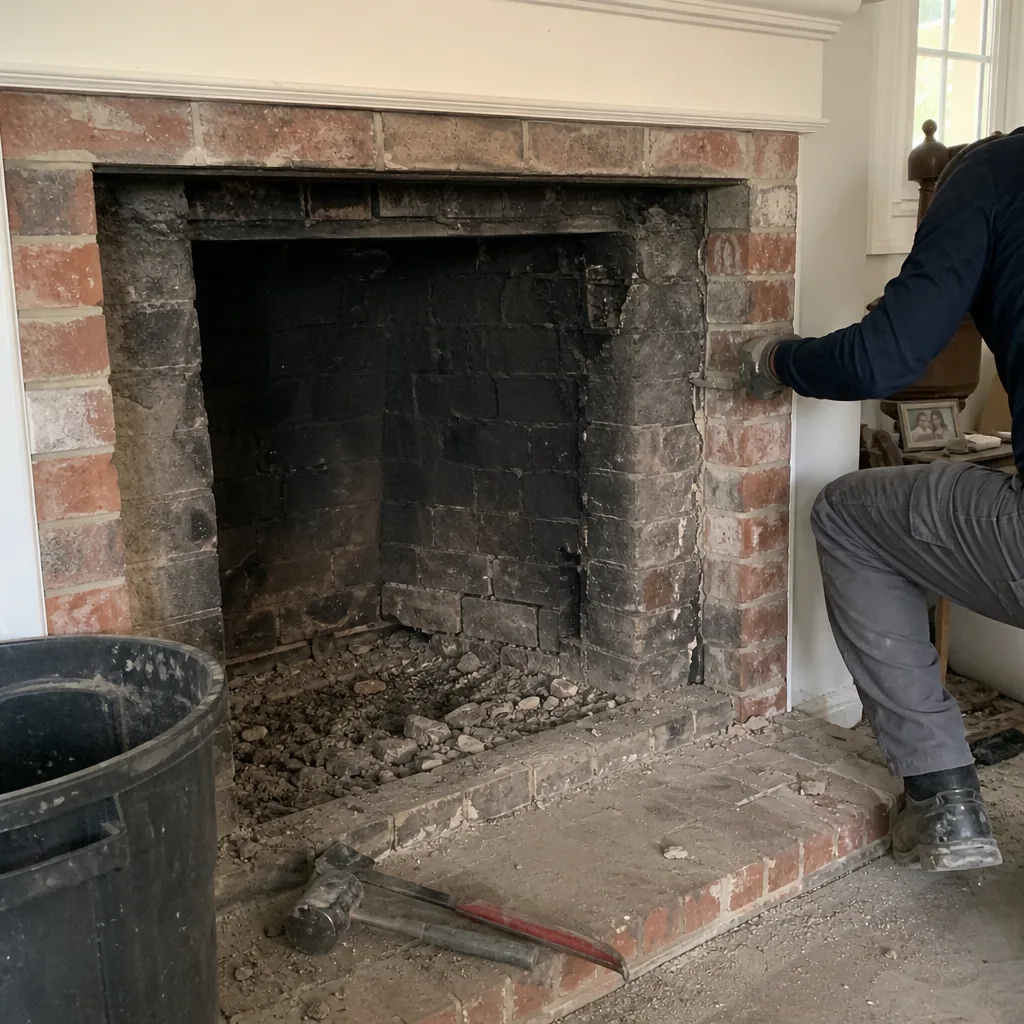 Before
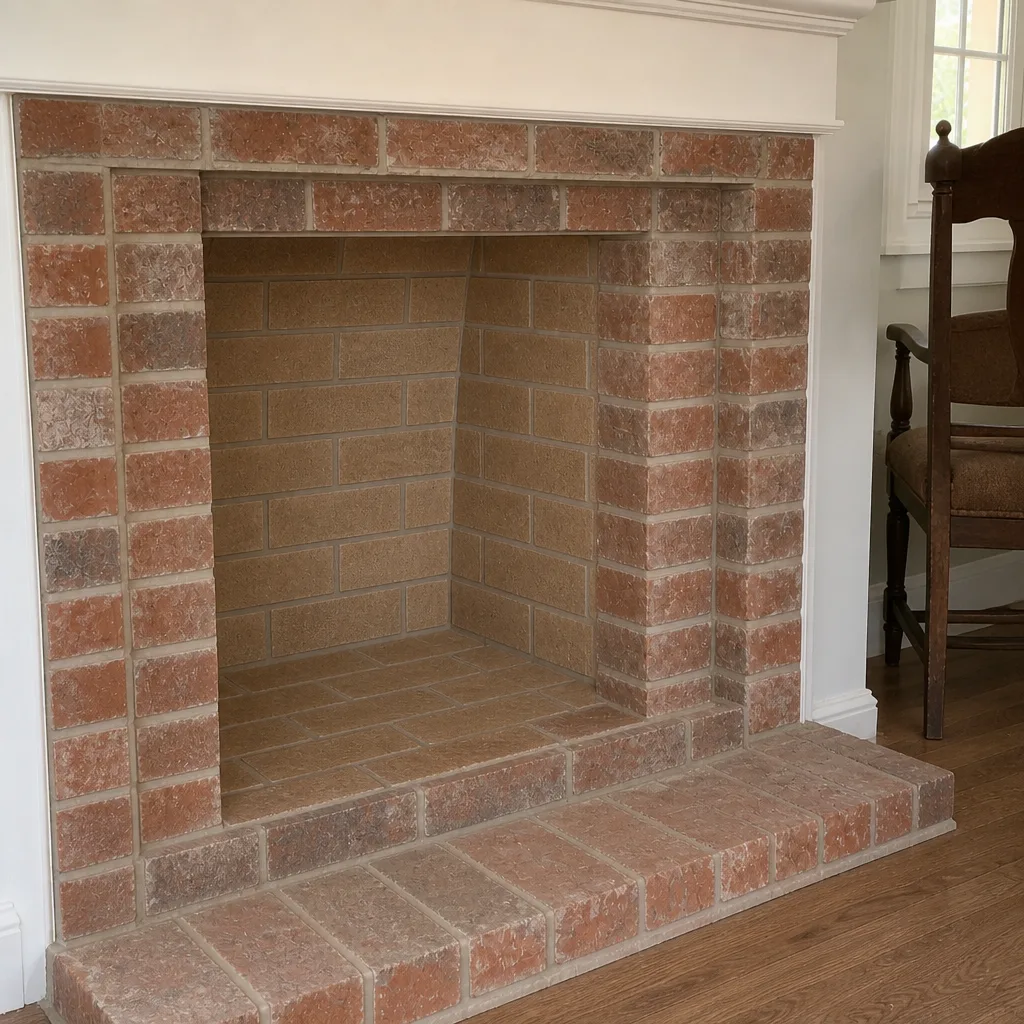 After
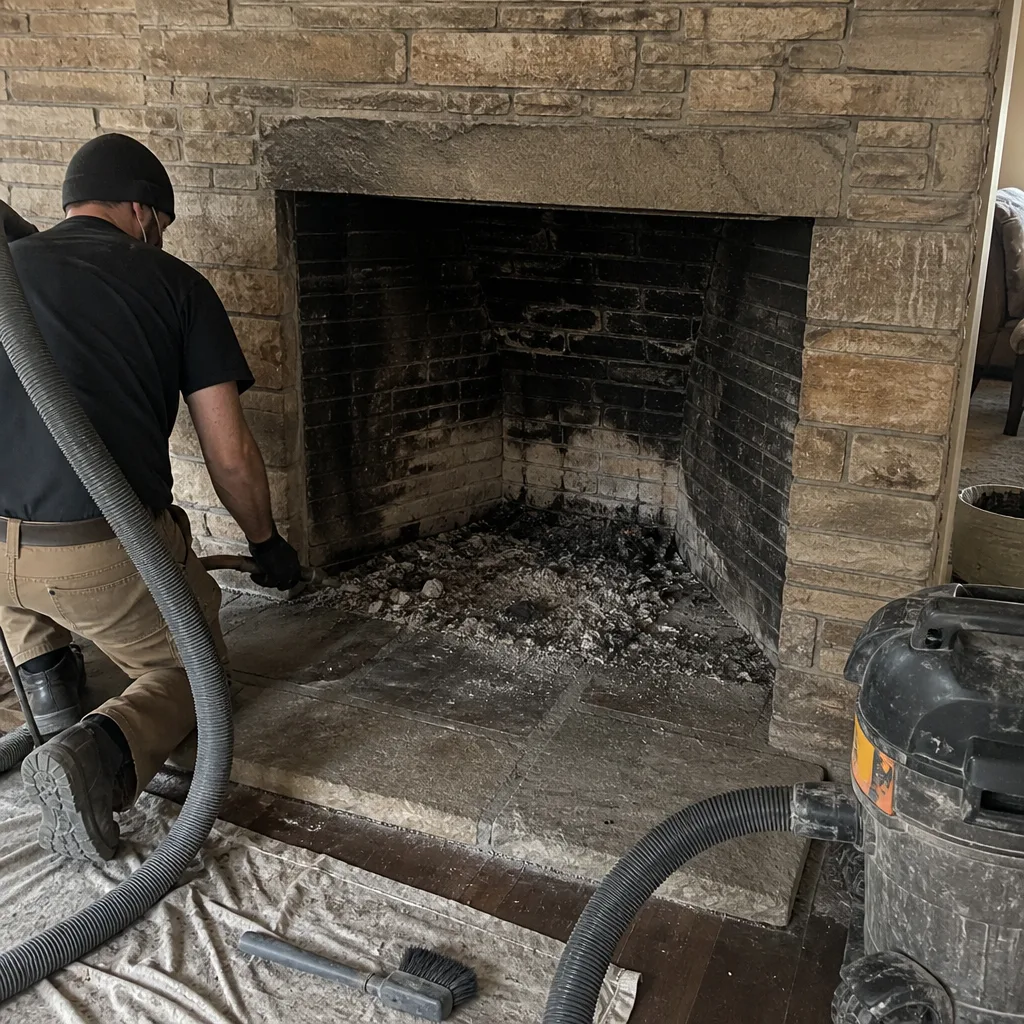 Before
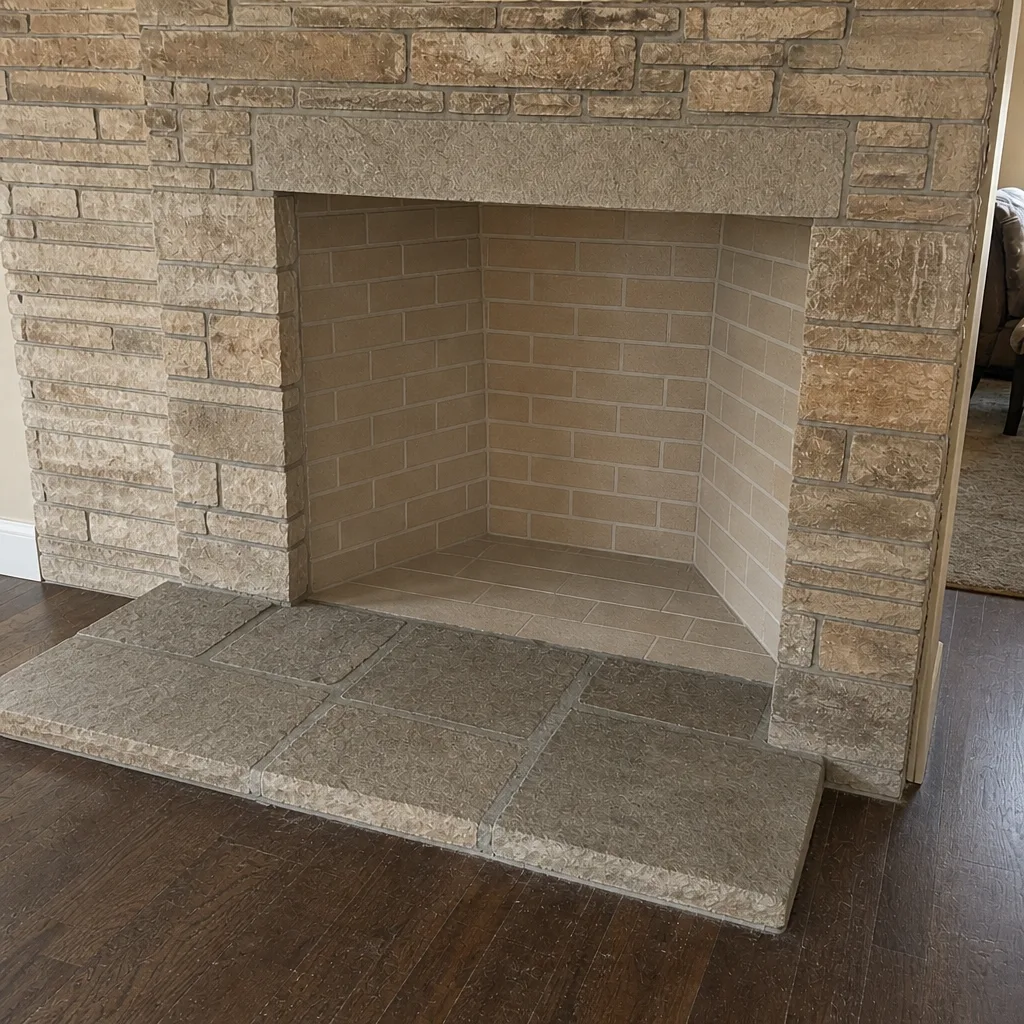 After
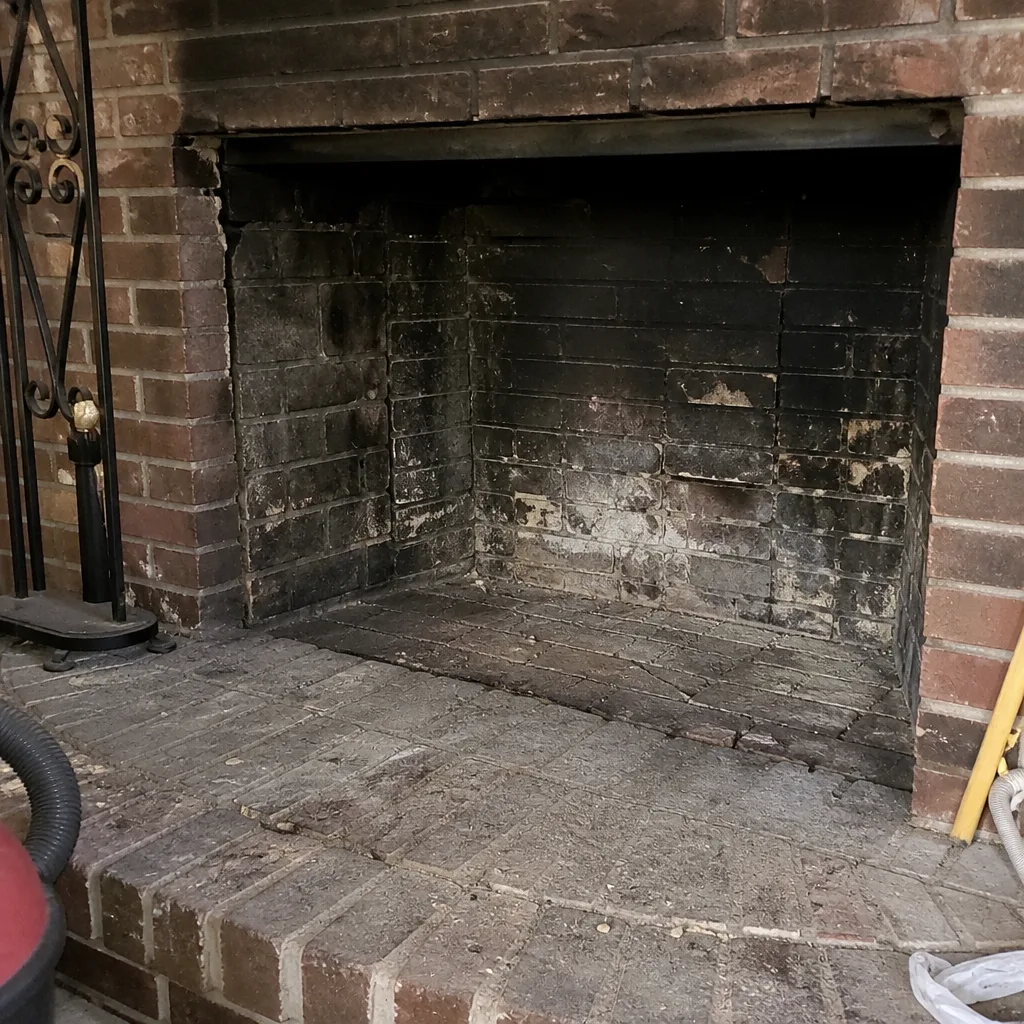 Before
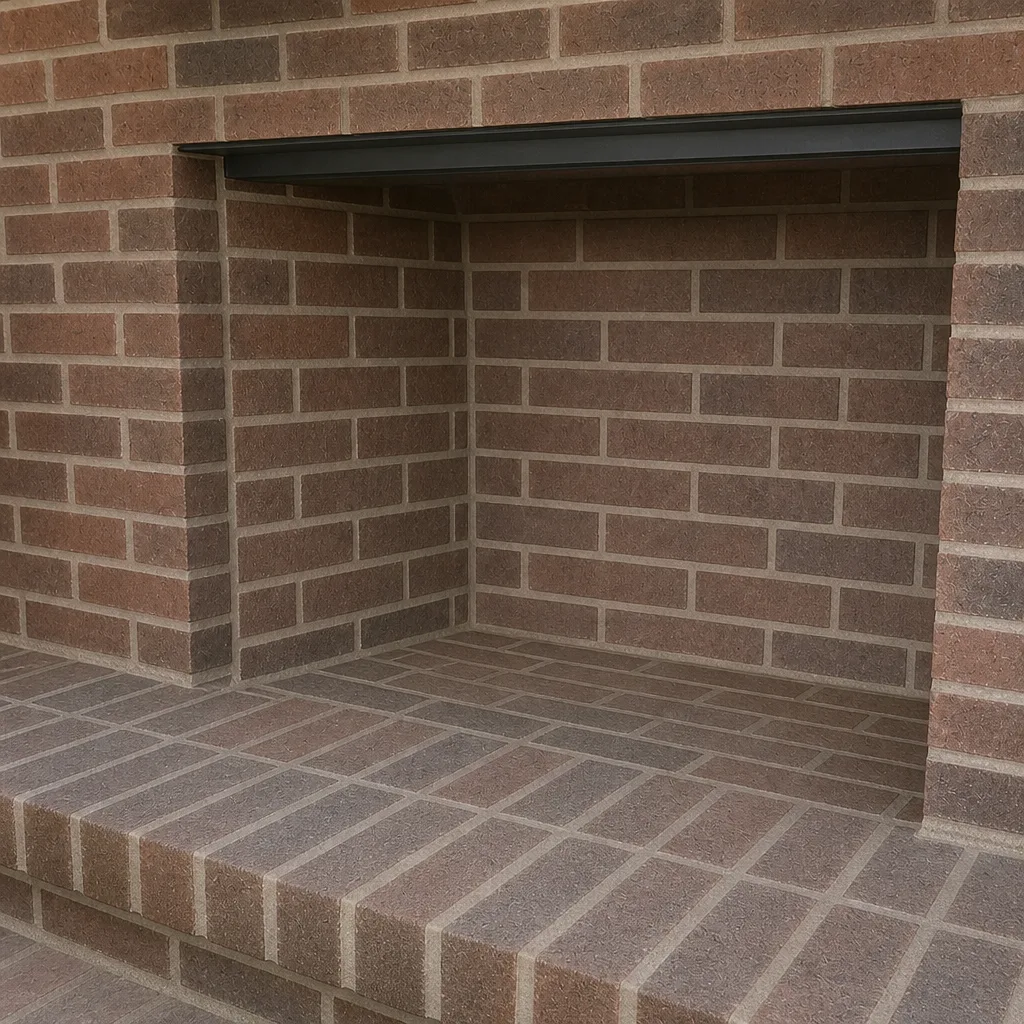 After
When to Call a Professional
Call when you see something you can’t explain safely. Cracking in the firebox, cracking or spalling in the flue tiles you can see, water in the firebox or staining on the ceiling near the chimney, a draft that’s gotten worse over a season, or a persistent smoke smell when there’s no fire burning: any of these is a signal to get an assessment. So is a firebox or liner condition you’re unsure about, because the stakes there are safety, not just efficiency.
Our technicians have up to 13 years of experience, and we inspect before we quote so the recommendation fits the actual cause, not the symptom. Chimney Sweep Southeast Raleigh offers free estimates in Southeast Raleigh. Call (833) 513-8676 to schedule. We answer 24/7, and fast dispatch is available from 7am to 7pm, Sunday through Friday.
Frequently Asked Questions
A standard sweep is typically the most affordable service on the list, and the exact price depends on the flue’s condition, how much creosote has built up, and whether the job needs a camera inspection alongside the cleaning. We set the price per job with a written estimate before any work starts, and the estimate is free, so you know the number before you commit. Call (833) 513-8676 for an exact quote.
Not every damaged liner needs replacement. Where the condition allows, a resurfacing system like HeatShield can repair a compromised liner from the inside, addressing the specific failure without tearing out the old liner. Whether that’s the right call depends on what the camera shows, which is why we assess the liner first. If a repair-based option fits, we’ll tell you; if a replacement is genuinely the safer choice, we’ll explain why. Call (833) 513-8676 and we’ll walk you through what the inspection found.
Most wood-burning chimneys need sweeping once a year, or more often if you burn heavily or notice a slow draw. The right schedule depends on how much you burn and what the flue looks like on inspection. Gas and other setups can have different needs. An annual inspection is the most reliable way to know whether you’re due, and it’s the safest habit for a wood-burning system. Call (833) 513-8676 to book one.
Creosote builds up, and a sufficiently loaded flue becomes a chimney fire risk. A cracked crown or missing cap lets water in, which feeds masonry deterioration and can undermine the flue. A cracked liner can let exhaust and heat into the structure. None of these announce themselves early, which is why the inspection matters. Skipping it doesn’t cause a problem overnight, but it lets small issues grow into structural ones. Call (833) 513-8676 for a free estimate and an honest read on where your chimney stands.
Because the flue being clean rules out only one cause. Backdraft, a damaged damper, an oversized flue, and negative pressure in the house all produce smoke with a perfectly clean chimney. The smoke is a symptom; the cause is one of several possible failure points. Only an inspection tells you which. Call (833) 513-8676 to schedule one.
It usually means water is already inside the masonry, which points to a failing crown, a deteriorated cap, or failed flashing. It’s a repair trigger, not a cosmetic issue, because the water keeps feeding the deterioration until the entry point is sealed. We look at the crown and cap together, since they seal the top as a unit. Call (833) 513-8676 for a free estimate.
The Bottom Line
The lesson running through every section of this guide is the same: match the symptom to the cause before you spend money. A smoky room, a lingering smell, a slow draw, visible cracking, and water staining each trace back to specific, fixable problems, and the fix is different in every case. In Southeast Raleigh, the clay soil and freeze-thaw cycles make structural causes more common than homeowners expect, and those often show up as draft complaints first. The honest path is a diagnosis-first approach: inspect before you quote, use camera evidence to confirm the cause, and tell the homeowner plainly when a repair can wait. Our technicians have up to 13 years of experience, and we work with professional-grade brands like HeatShield, Copperfield, Olympia Chimney, and DuraFlex because the right material makes the repair last. If your fireplace is telling you something, get it looked at before it becomes a bigger job.
Call (833) 513-8676 for a free estimate. We answer 24/7. Fast dispatch from 7am to 7pm, Sunday through Friday, and we’re closed Saturday. Whether you need a sweep, a crown and cap repair, a liner assessment, or just a straight answer about what’s going on with your chimney, we’ll inspect first and tell you what we find.
Written by the team at Chimney Sweep Southeast Raleigh.