
Last updated November 23, 2026
 Sweep & inspection
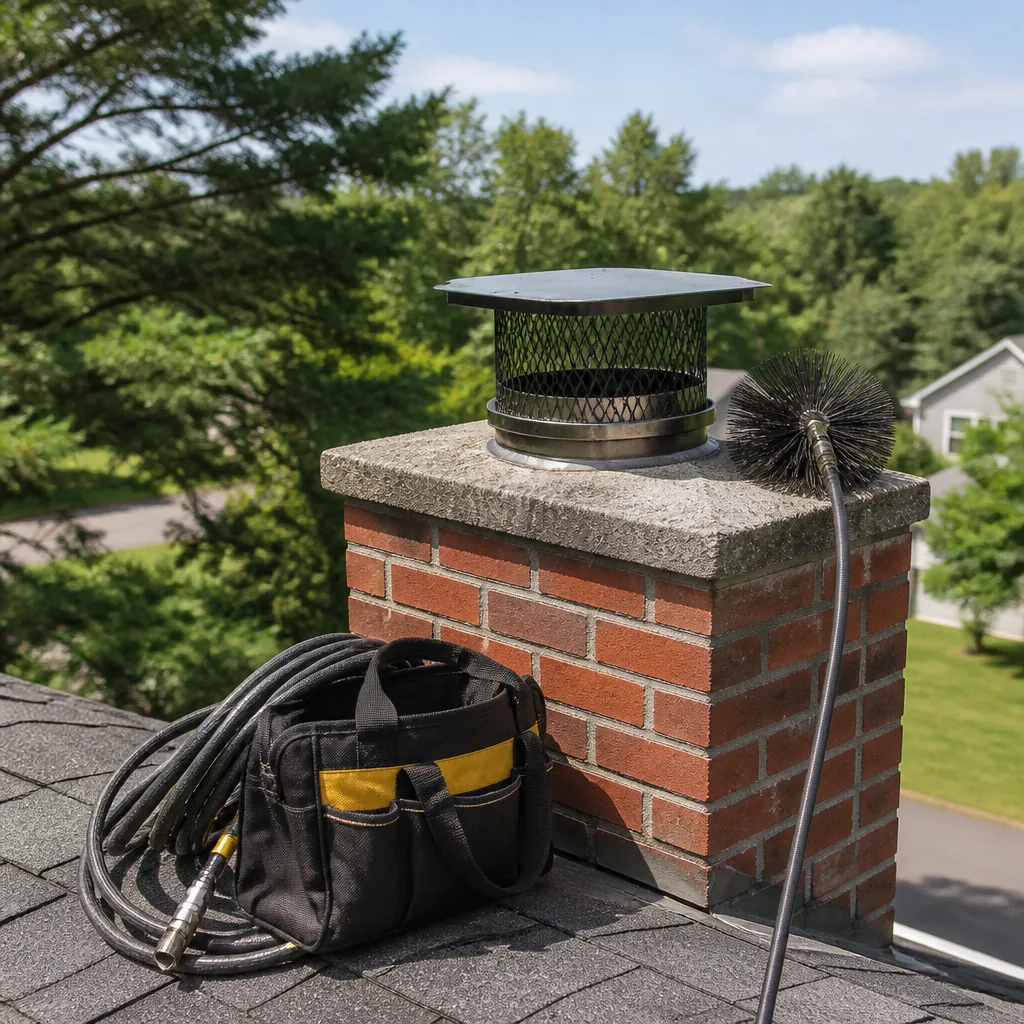
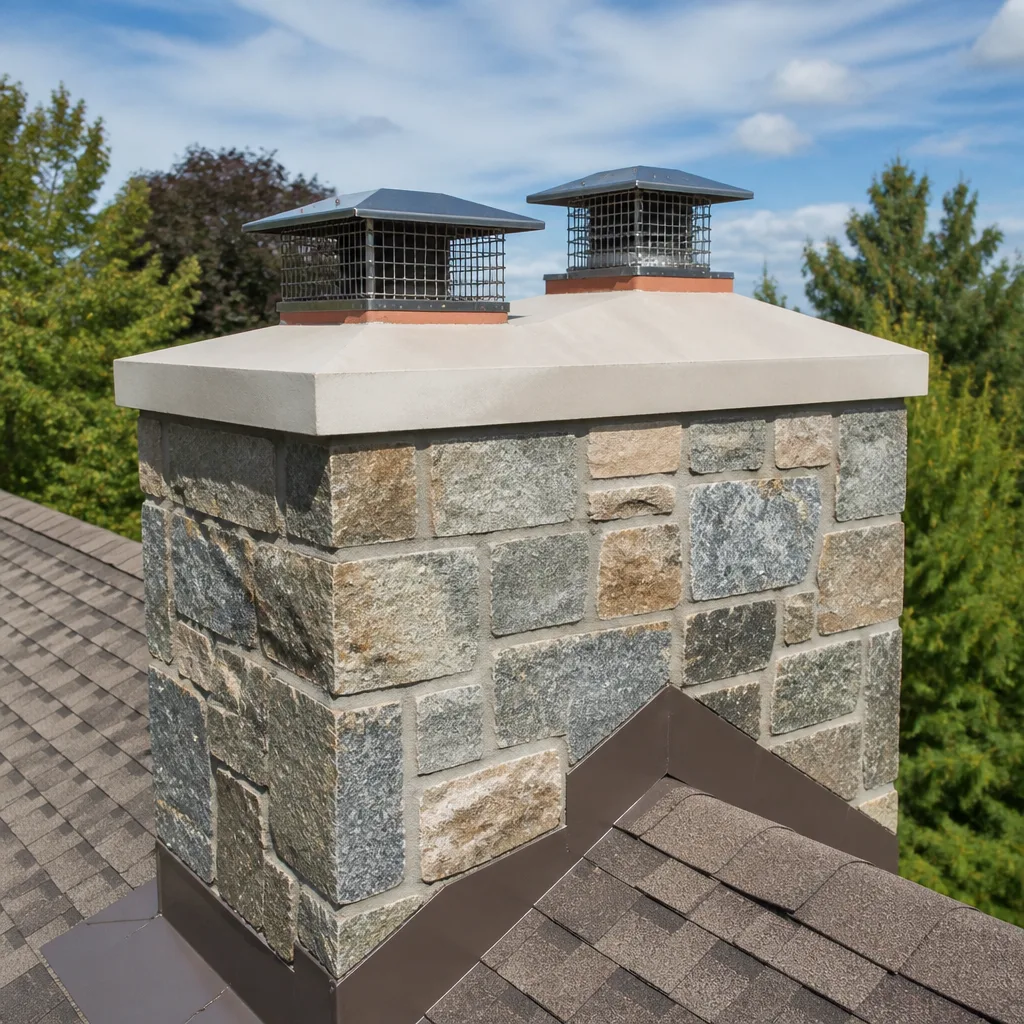 Caps & crowns
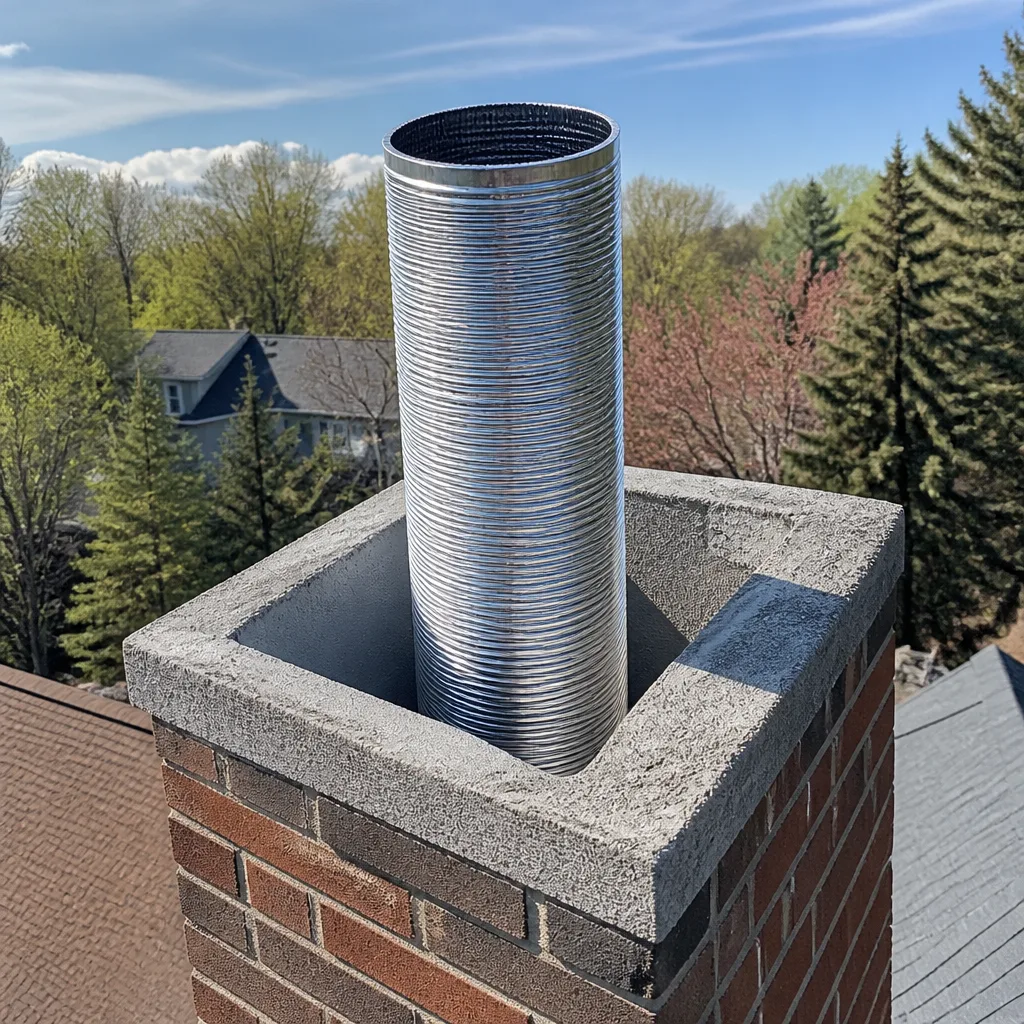 Flue relining
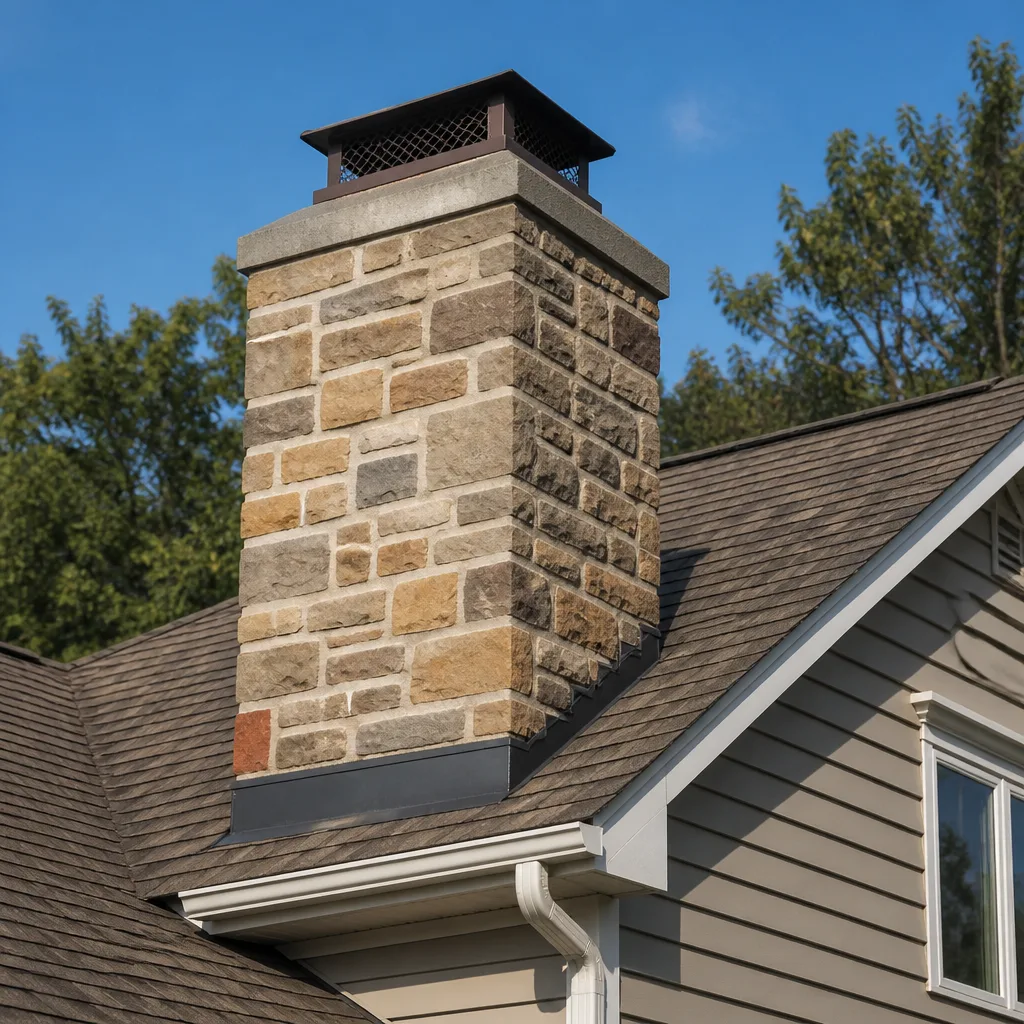 Masonry repair
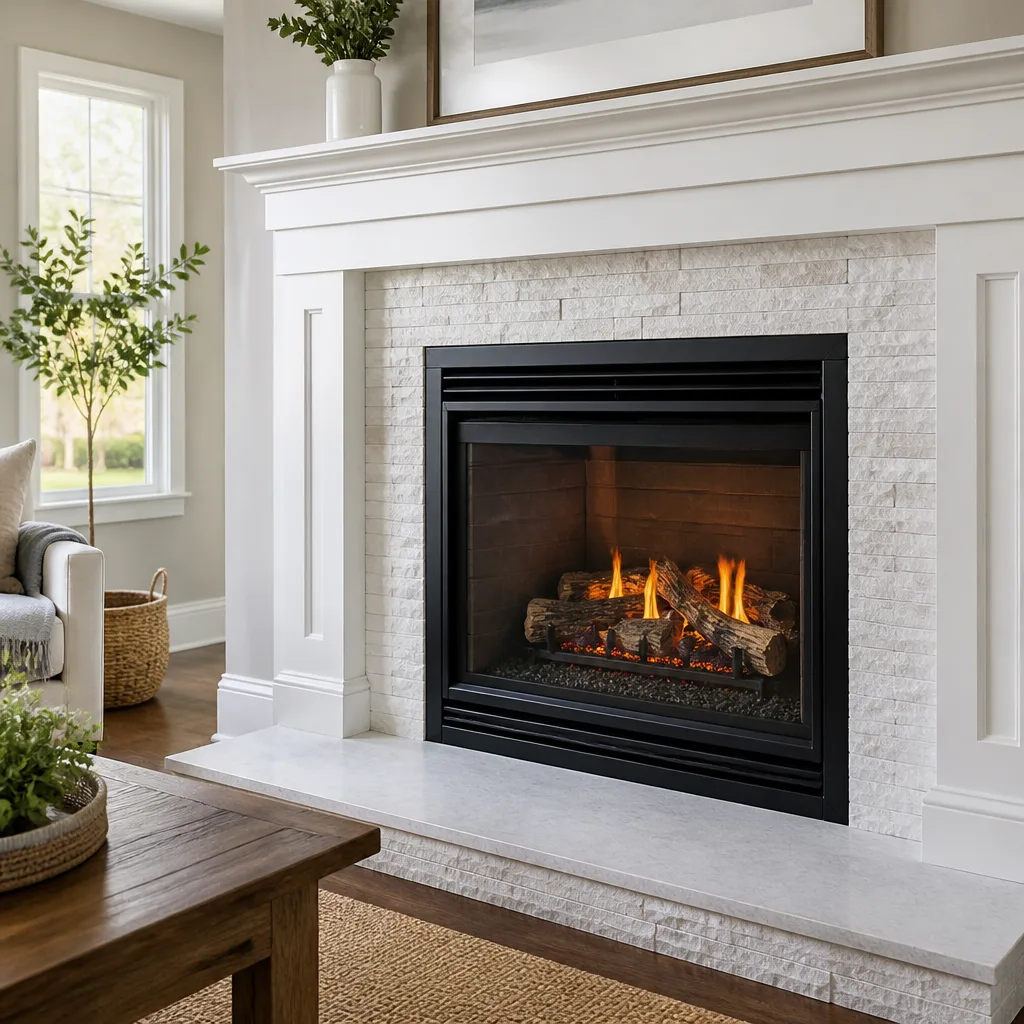 Gas fireplace service
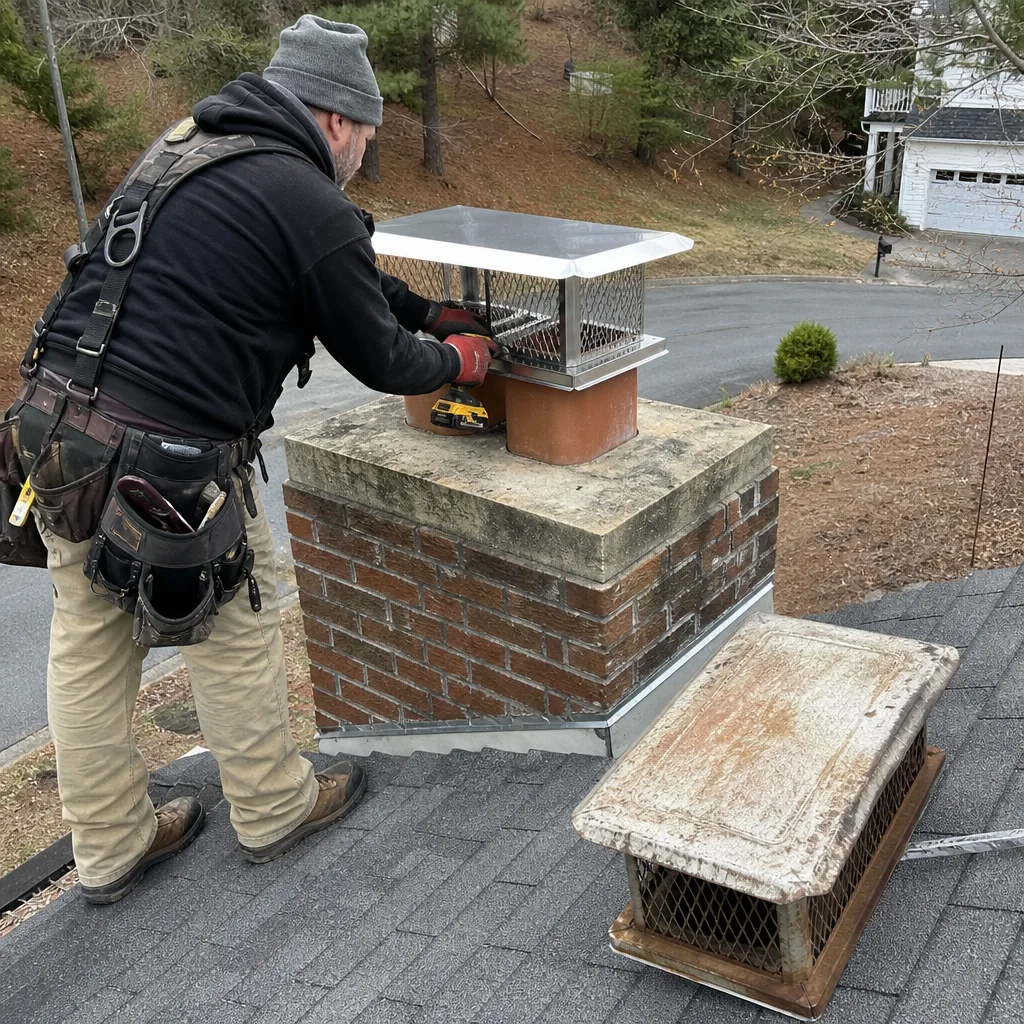
Level 1 sweep and inspection to the NFPA 211 annual standard - flue, crown, cap, and flashing checked and photographed
Chimney sweep logs do not sweep chimneys. They loosen some creosote - which then falls where a brush and vacuum still have to collect it.
DIY vs Professional Chimney Cleaning: The Southeast Raleigh Homeowner’s Decision Guide
A brush and rods from the hardware store will move loose soot. They will not tell you that your flue tile has a hairline crack at the second joint, that the crown has separated along one edge, or that the creosote two feet above the damper has glazed into something a nylon brush can’t touch. That gap, between cleaning what you can see and knowing the condition of what you can’t, is what this guide is about. We’re going to give you an honest framework for when a homeowner in Southeast Raleigh can reasonably handle a sweep, and when the job has quietly moved past what a brush can do.
Quick Answer
DIY chimney brushing is defensible for a single-flue chimney burning seasoned wood with no moisture history that has been cleaned annually and has no visible cap or crown damage. A professional sweep is the right call when the chimney hasn’t been serviced in two or more years, when creosote has glazed or puffed, or when you can’t confirm the flue’s condition with your own eyes. The dividing line isn’t liability. It’s visibility.
Styles & brands we work with
- Sweep & inspection
- Caps & crowns
- Flue relining
- Masonry repair
- Gas fireplace service
Table of Contents
- What a DIY Brush Cleaning Actually Accomplishes
- Stage 1, Stage 2, Stage 3: Identifying Which Creosote You Have
- The Equipment Gap: Negative Pressure and Cross-Contamination
- A Five-Step Test: Is DIY Defensible for Your Chimney?
- An Honest Cost Comparison, Without Inflating Either Side
- Why Southeast Raleigh Chimneys Age the Way They Do
- Four Situations Where DIY Quietly Fails
- What a Professional Sweep and Inspection Actually Involves
What a DIY Brush Cleaning Actually Accomplishes
A brush and a set of rods remove loose soot and soft, flaky creosote from the interior walls of a flue. That is the whole function. It is a real function, and on a chimney that has been maintained on a regular schedule it’s a meaningful part of keeping the system working. What it is not is a diagnostic tool. The brush scrubs the surface it touches. It tells you nothing about the surface it doesn’t.
Here’s the part that matters in Southeast Raleigh. The information that determines whether a chimney is safe to burn in isn’t the soot volume at the bottom of the firebox. It’s the condition of the flue liner, the integrity of the joints between tiles, the seal at the top plate, the crown, and the cap. A homeowner with a flashlight and a mirror can see maybe the first six to ten feet of a straight flue on a clear day. The rest of it is guesswork.
What a brush-only cleaning leaves out:
- No inspection capability. Creosote streaks, cracked tiles, spalled mortar joints and gaps at the flue collar are all things a technician is trained to recognize and document. A homeowner is looking at the inside of a dark tube with a handheld light.
- No camera. Most flues have an offset or a bend, and the critical joints sit past the reach of any handheld mirror or phone camera on a stick. A video inspection sees the whole run.
- No draft testing. Draft problems show up as smoke spillage, back-puffing, or a fire that’s sluggish to establish. Those are symptoms of a system imbalance. A brush doesn’t measure or diagnose either.
- No structural assessment. Crown cracks, cap damage, masonry spalling, and gaps at the flashing are all visible from the outside, but they require someone on the roof to actually look. If you haven’t been up there with the right setup, you don’t know.
None of that makes DIY brush cleaning illegitimate. It makes it partial. The next few sections give you a way to decide whether “partial” is enough for your situation. If you’ve read this far and you already know you want a full assessment, our Chimney Sweep Southeast Raleigh page walks through what a full-service visit covers.
Stage 1, Stage 2, Stage 3: Identifying Which Creosote You Have
Not all creosote brushes off. This is the single most important thing a homeowner can understand before deciding whether to do the job themselves. The industry describes creosote in three stages, and only the first one is reliably addressable with a brush and rod.
Stage 1: Soot and Soft Flake
Stage 1 creosote is the light, dusty deposit you’ll see on a flue that gets burned hot and regularly with seasoned wood. It brushes away easily. It looks like gray-black soot on the flue walls or a thin powdery layer on the damper. This is the stage where a homeowner with a properly sized brush, a shop vac rated for fine particulate, and a straight flue can do a legitimate job.
Stage 2: Glazed and Sticky
Stage 2 creosote is denser and darker. In the earlier part of the stage it’s sticky or gummy. In the later part it glazes into a hard, shiny coating that a nylon brush slides over without removing much. Stage 2 creosote is a fire hazard because it burns hot and clings to the flue. Removing it usually requires either a chemical treatment that breaks down the glaze, followed by rotary cleaning, or a specialized rotary system run by a trained technician. A homeowner-grade brush does not get through it.
Stage 3: Puffy, Cracked, and Concentrated
Stage 3 creosote looks like puffy, cracked black material with a high volume-to-weight ratio, and it is the most combustible form. It can ignite suddenly and burn at very high temperatures inside the flue. Removing Stage 3 creosote is not a homeowner job. It requires chemical treatment over a period of time, mechanical rotary systems, and a professional assessment of whether the flue has been damaged by prior fire exposure. If you can see puffy, crusted, cracked material on the flue walls, stop planning a DIY cleaning and book an inspection.
How to Identify the Stage You’re Looking At
- Look at the flue wall through the damper with a bright flashlight, angling the beam up.
- Note the texture. Dusty and flaky is Stage 1. Sticky or shiny is Stage 2. Puffy and cracked is Stage 3.
- Test with a hard implement. Gently run a stiff putty knife or the metal end of a hearth tool against a small patch, without applying force that could damage the tile. Stage 1 comes off; Stage 2 glazed material resists; Stage 3 material may crack and flake off in chunks.
- Measure how far up you can see. If you can only reach the first few feet, you don’t know the stage past that point. The flue above the smoke shelf is where the heavier deposits live.
If your creosote is Stage 2 or Stage 3, that’s the answer. DIY is no longer in the running. If it’s Stage 1 and the flue is straight and single, keep reading. The rest of this guide is for you.
The Equipment Gap: Negative Pressure and Cross-Contamination
Ask any sweep who has cleaned a Southeast Raleigh chimney in July what the worst part of the job is. The answer is almost never the brush work. It’s controlling the dust. Chimney sweeping generates massive amounts of fine particulate, and the way that particulate is managed separates a professional sweep from a DIY attempt.
What a Professional Setup Does
A proper sweep uses a HEPA-filtered negative pressure vacuum with the hose sealed at the firebox opening, running continuously during the whole clean. Negative pressure means the firebox is at a lower static pressure than the room, so any dust that gets loose is pulled into the vacuum rather than pushed into the living room. Sealed covers, drop cloths, and the vacuum running before the first brush stroke goes up the flue are all part of the same idea: nothing escapes.
What a DIY Setup Does
A shop vac sitting on the hearth is not the same thing. A standard wet/dry vac, even one rated for fine dust, will exhaust enormous quantities of sub-micron particulate back into the room. That particulate settles on furniture, gets into HVAC filters, and coats every horizontal surface within twenty feet. The job “works,” in the sense that creosote comes off the flue walls. It just puts the flue’s contents into your living space instead of a sealed canister.
A homeowner can partially mitigate this. Zip a plastic sheet over the firebox with a slit for the rod, run a box fan in a window to push air out, mask up, keep kids and pets out of the room. But it’s a mitigation, not a fix. The negative pressure vacuum isn’t a luxury item for a professional sweep – it’s the piece of equipment that makes the job clean. Our own crews run it on every job, and it’s the reason we can sweep a floored living room without covering everything first.
A Five-Step Test: Is DIY Defensible for Your Chimney?
Run through these five questions before you buy a brush kit. If you can answer yes to every one of them, DIY is a reasonable call and we won’t tell you otherwise.
- Is this a single-flue chimney? A single straight flue with no offsets is the only configuration where a homeowner-grade brush reliably reaches the full run. Multi-flue chimneys, angled flues, and flues with a smoke shelf offset need professional handling.
- Has the chimney been serviced annually without a gap? If the last professional sweep was more than two years ago, or if you don’t know when it was, you don’t have a baseline. Get one before you do anything else.
- Is the fireplace gas-log or a rarely-used wood burner with Stage 1 creosote only? Gas logs produce almost no creosote and the cleaning job is largely cosmetic. That’s a defensible DIY zone.
- Is there no moisture history? No water stains on the firebox ceiling, no rust on the damper, no efflorescence on exterior masonry, no draftiness you can feel coming down the flue when the fireplace is idle. Any of those means the crown or cap has failed and there’s more going on than a cleaning.
- Can you visually confirm the cap and crown from the ground or from a safe window? Not from the roof. From a stable position with binoculars. If the cap is intact, the crown is sound, and there’s no visible damage, that’s a point in DIY’s favor.
Five yeses. If you can’t check all five, the honest answer is that you’re guessing at the condition of a system that runs at high temperature inside your house. A standalone inspection is available for exactly this reason – you can get the assessment without buying a cleaning, and then decide what to do with the information. Our chimney sweep page covers what that visit looks like.
An Honest Cost Comparison, Without Inflating Either Side
Let’s be fair to both sides of this. DIY saves money on labor but costs real money on materials, and the material cost isn’t trivial once you account for what a proper DIY setup actually requires. A professional sweep costs more per visit but comes with the equipment, the inspection, and the documentation. Here’s the honest comparison.
What a DIY Setup Actually Costs
- Brush and rod kit sized to your flue. You need the correct diameter for your flue, which means measuring first. A cheap kit that doesn’t fit is worse than nothing.
- HEPA-rated shop vacuum or a fine particulate filter. A standard shop vac exhausts the fine dust. A properly filtered vacuum costs meaningfully more than a basic wet/dry unit.
- Drop cloths, plastic sheeting, tape, respirator, safety glasses, gloves. These aren’t optional for keeping the room clean and keeping you safe.
- Time. For a homeowner new to the job, budget two to three hours from setup to cleanup, plus the shopping trip for anything you don’t already own.
- Risk. A dropped brush, a broken rod end, or a bend that torques the flue tile is a real cost you don’t’ see until it happens. Flue tile damage from impatient brush work is one of the more common calls we get.
What a Professional Sweep Costs
Pricing in the chimney trade runs per job, based on what the chimney actually needs, and written up as an estimate before any work is scheduled. Cost drivers include flue length, creosote stage, access difficulty, and whether a camera inspection is part of the visit. Sweeps in the Southeast Raleigh area typically come in above what a homeowner would spend on a good DIY kit and below what a homeowner would spend replacing a flue tile damaged by an impatient brush. The estimate is where the number gets set, and it’s the number you agree to before anything starts.
The Comparison That Actually Matters
| Line Item | DIY | Professional Sweep |
|---|---|---|
| Creosote removal (Stage 1) | Yes, if flue is straight and single | Yes, all stages with proper equipment |
| Dust containment | Partial, DIY mitigation | HEPA negative pressure, sealed |
| Inspection during cleaning | None | Full camera inspection included |
| Access to flue joints above the smoke shelf | Rarely | Standard |
| Documentation for insurance or real estate | None | Photo report standard |
| Risk of damaging flue tile | Higher for first-timers | Low with trained handling |
The math shifts once you assign any value to the inspection. A DIY sweep is a cleaning. A professional visit is a cleaning plus a diagnosis, and the diagnosis is what tells you whether next year’s cleaning is enough or whether something needs attention before then.
Why Southeast Raleigh Chimneys Age the Way They Do
Chimneys in Southeast Raleigh live in a specific climate that shapes how they wear. We’re inland, warm, humid through the summer, and cold enough through the winter to run the fireplace heavily from November through February. That cycle – long humid months followed by months of fire – drives the failure patterns we see most often.
Summer Humidity and Masonry
Masonry is porous. Through the Southeast Raleigh summer, exterior brick and mortar absorb and release moisture for months. Where that moisture is trapped inside the chimney structure, it finds the weakest point and shows up as efflorescence, spalling, or a crack. The crown is the top of the chimney, and it’s the first line of defense against all of it. A crack in the crown lets water straight into the masonry and then into the flue. Crown and cap work is one of the most consequential services we offer, not because it’s complex but because it’s preventive. Our chimney cap & crown page covers how we approach the top of the system.
Winter Load and Creosote Formation
Cool, damp Southeast Raleigh winters are hard on combustion efficiency. Wet wood, cool flue temperatures, and fires that get run low all push toward incomplete combustion and heavier creosote deposits. A homeowner burning properly seasoned wood in a hot fire builds far less creosote than someone burning whatever’s in the pile with the damper half closed. This is why the Stage 1 / Stage 2 question matters so much locally – the burn habits that work in a dry climate don’t work here.
Neighborhood Housing Stock
Southeast Raleigh has a wide range of chimney ages and construction types. Older homes around neighborhoods like King Charles, Biltmore Hills, and the areas near downtown often carry original masonry chimneys that have seen decades of weather. Newer construction tends to have factory-built flues that need manufacturer-specific brushes and closer attention to liner condition. Neither is a problem, but the routine for a 1950s brick chimney and the routine for a 1990s factory-built flue are not the same, and a homeowner needs to know which one they have before deciding on DIY.
Four Situations Where DIY Quietly Fails
These are the scenarios where a homeowner does the job, feels satisfied, and then finds out a season later that something was left behind. If any of these describe your chimney, the cleaning you’re contemplating is not the cleaning you actually need.
- Hairline cracks in flue tile. These often run vertically along a joint and are essentially invisible to a handheld light from below. They let heat and combustion gas escape into the masonry chase, which is exactly what the tile is there to prevent. A camera inspection finds them. A brush doesn’t.
- A cracked or missing crown. The crown is the sloped concrete top of the chimney. When it cracks, water runs down into the flue and the masonry, and the failure accelerates every freeze cycle. You won’t find it from inside the firebox. You need to be at the top of the chimney.
- A failed cap or a cap that was never installed. Missing or damaged caps are the leading cause of water intrusion and animal entry. A squirrel or a bird in the flue isn’t a cleaning job. It’s a removal and a cap installation. Caps are inexpensive and durable, and a missing one is a straightforward fix once someone gets eyes on it.
- Oversized flue for a modern insert or high-efficiency appliance. When an appliance has been changed – a wood insert dropped into an old masonry fireplace, for example – the relationship between the appliance and the flue changes. Draft problems, added creosote, and improper venting all show up. A brush cleaning hides none of it but fixes none of it either.
None of these are dramatic. That’s the point. They’re the kind of thing that sits quietly through a couple of seasons until it’s expensive instead of routine. A trained technician catches them during a sweep. A brush doesn’t.
What a Professional Sweep and Inspection Actually Involves
Here’s exactly what happens on a professional visit, so you know what you’re comparing against when you run the DIY test. The order matters, and the inspection comes first for a reason.
- We inspect before we quote. The chimney is assessed from the firebox, through the damper, up the flue, and from the roof. Camera inspection is part of the visit. We don’t’ price a repair until we’ve seen what needs repair.
- We set up containment. Negative pressure vacuum sealed at the firebox, drop cloths on the floor, and the vacuum running before any brush goes up.
- We sweep to the creosote stage. Soft creosote comes off with a standard flue brush sized to your flue. Stage 2 or Stage 3 creosote gets chemical treatment and rotary equipment as appropriate. The method follows the deposit, not the other way around.
- We assess the liner. The flue liner is the barrier between combustion and structure. If it’s failed, we talk about repair. HeatShield is a specialty liner resurfacing system we use when a repair is appropriate instead of a full liner replacement, and it’s the kind of choice that requires knowing the difference. Not every chimney qualifies for it, but for the ones that do, it’s a much less invasive outcome than replacement. When the right solution is a new liner, we work with products from DuraFlex and Olympia Chimney, and we make the reasoning explicit either way.
- We check the top of the system. Crown, cap, flashing, and masonry at the chimney top. Any of those can be the entry point for water, and all of them are worth checking on the same visit. Crown repair and cap installation are handled here, not referred out.
- We clean up and walk you through what we found. Photo documentation of anything we saw, with the photo in hand, in front of you. Nothing gets recommended that you can’t see for yourself.
If any part of that visit points to work beyond the sweep itself – a fireplace repair, a crown rebuild, a liner resurfacing – we handle it on the same provider relationship. That’s a different experience than coordinating a sweep with one company and a repair with another. Full-service capabilities from the firebox to the cap mean the diagnosis and the fix are coming from the same place.
Common Mistakes to Avoid
- Buying a brush kit before checking the flue type. A masonry flue and a factory-built flue take different brushes, and using the wrong one can damage a factory-built liner that isn’t designed for metal bristles. Confirm the type first – the manual for your fireplace or a chimney professional can tell you what you have.
- Cleaning from the ground with a rod extension and no containment. Soot goes straight into the room. If you’re going to do a DIY sweep, the setup – sealed plastic, vacuum, respirator – isn’t optional, and skipping it defeats the purpose.
- Assuming the cap is fine because the chimney looks fine from the street. A missing or cracked cap is usually invisible from the driveway. It shows up from the roof, or after a rainstorm when the firebox starts smelling like a wet basement.
- Burning unseasoned wood because it’s free or cheap. In Southeast Raleigh’s cooling-season climate, wet wood is a creosote factory. The cost savings on firewood are often paid back with a Stage 2 cleaning and shortened liner life.
- Skipping the annual inspection because the chimney “looks clean.” The condition that matters – tile cracks, crown separation, liner wear – is not visible from the firebox floor, and it doesn’t announce itself. The inspection is the point.
- Treating a squirrel or bird in the flue as a cleaning problem. It’s a removal and a cap installation. Cleaning without installing a cap that keeps them out is a job you’ll do again next year.
- Assuming a gas-log fireplace needs no service. Gas logs produce very little creosote, but the venting still matters, the firebox still accumulates debris, and the liner can still degrade. A gas fireplace is a lower-frequency service, not a no-service one.
See the difference
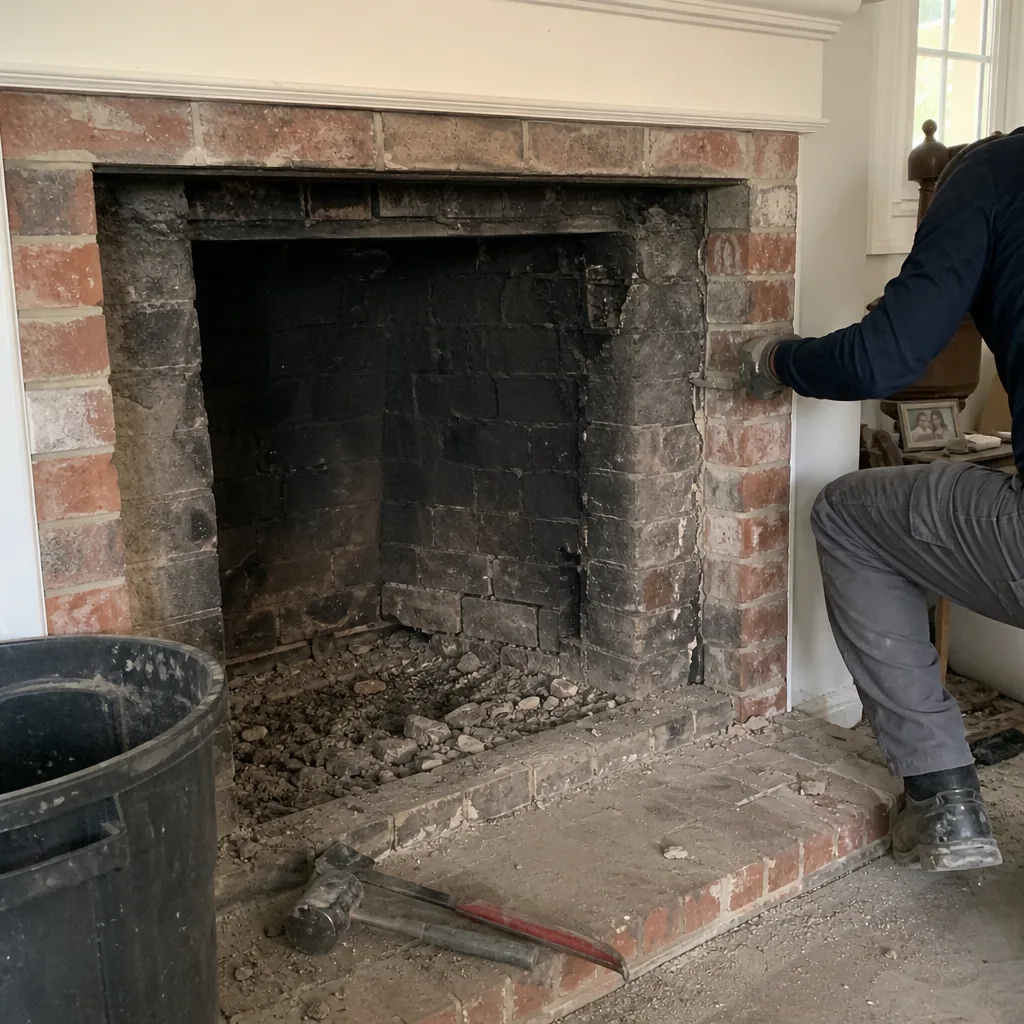 Before
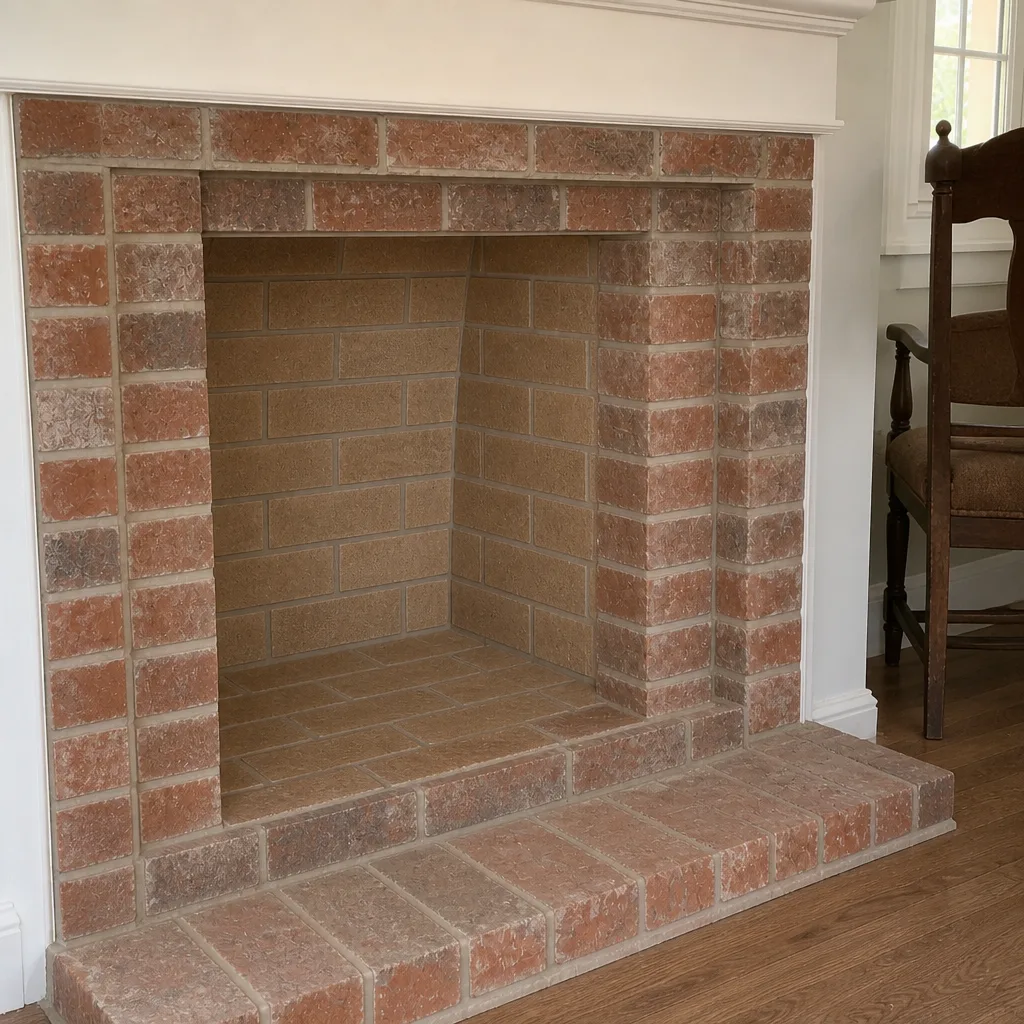 After
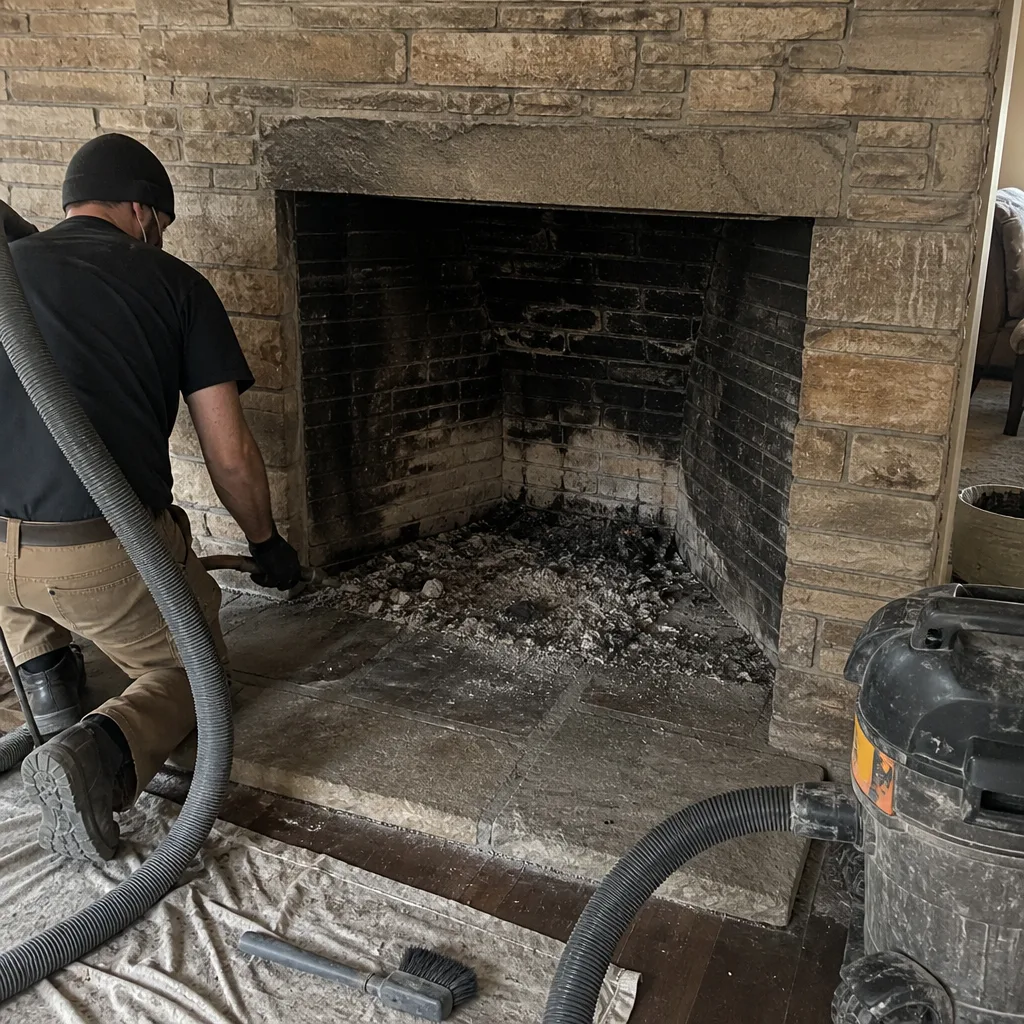 Before
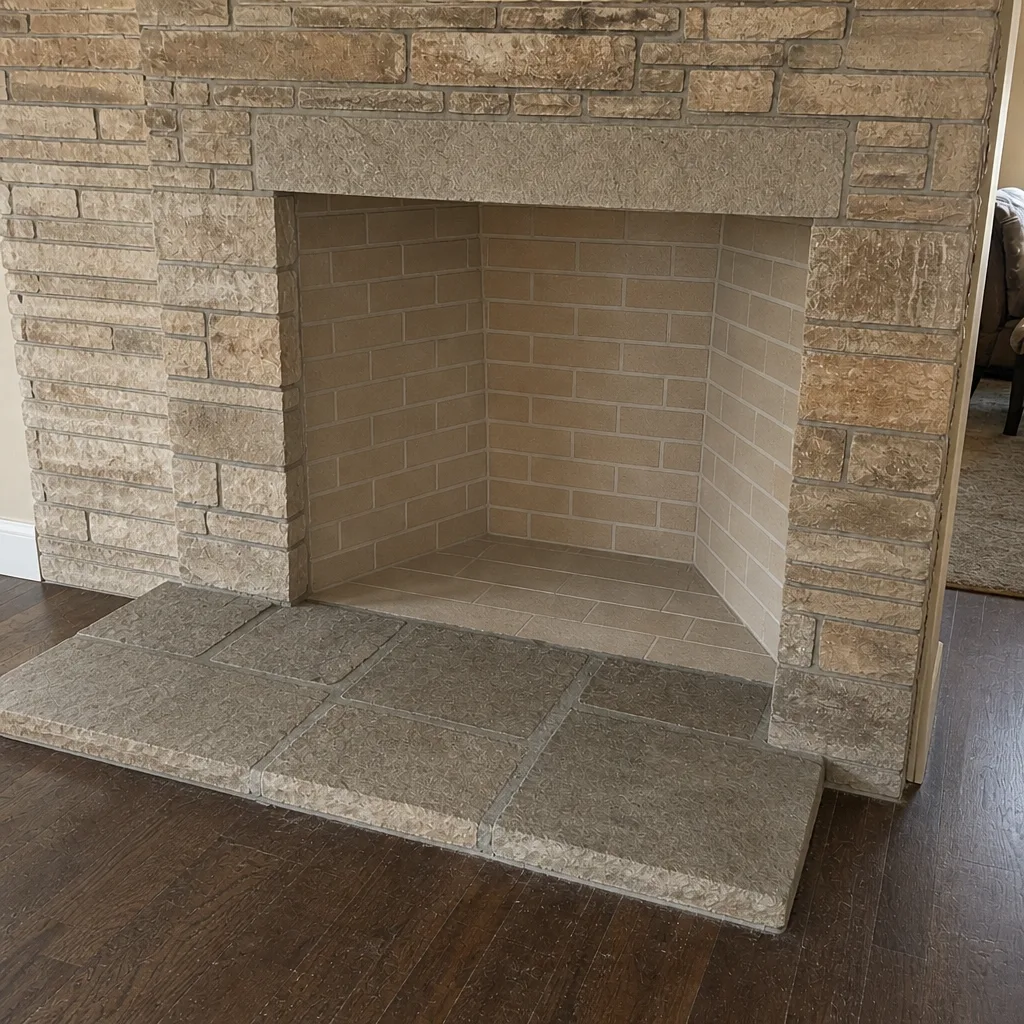 After
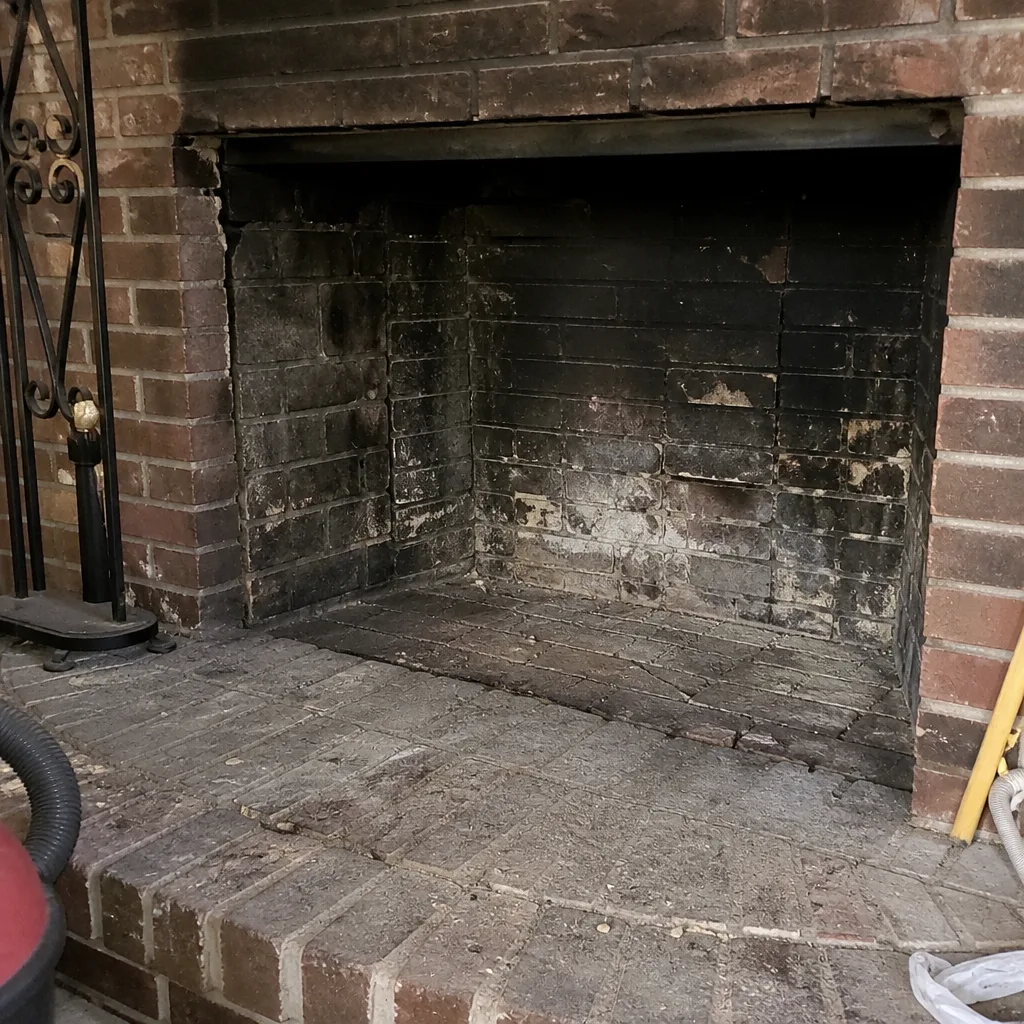 Before
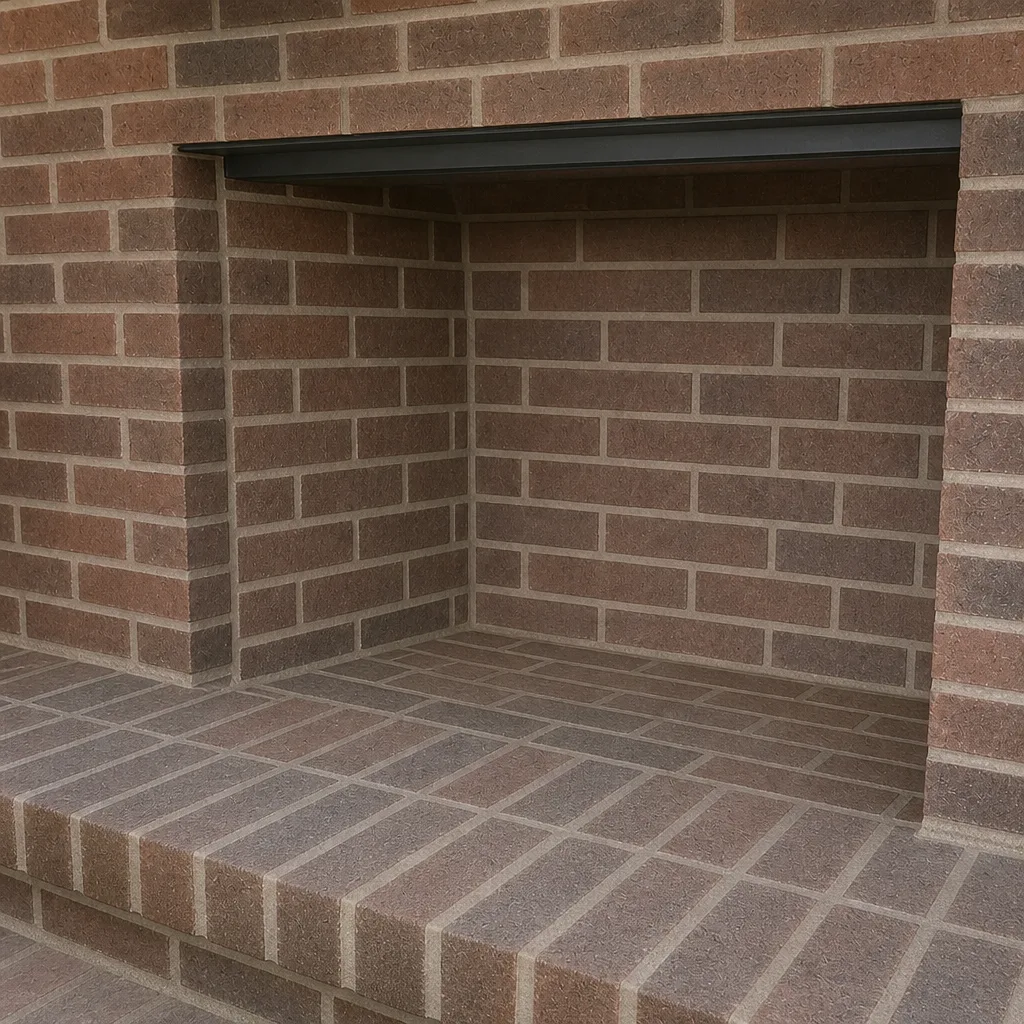 After
When to Call a Professional
Call us when any single one of these is true: the chimney hasn’t been serviced in two or more years; you see glazed, shiny, or puffy material on the flue walls; the fire smokes into the room when you start it; there are water stains inside the firebox or on the exterior masonry; the cap is missing, damaged, or you can’t confirm it from ground level with binoculars; a squirrel, bird, or other animal has gotten in; you’ve changed fireplace appliances since the last service; or you’re buying or selling a home and need documented condition. Chimney Sweep Southeast Raleigh offers free estimates in Southeast Raleigh – call (833) 513-8676. We answer 24/7. Fast dispatch from 7am to 7pm, Sunday through Friday. We inspect before we quote, so the estimate reflects what your chimney actually needs, not what a brush can reach.
Frequently Asked Questions
DIY is safe for a single-flue chimney with Stage 1 creosote, an intact cap and crown, and no moisture history, provided you use proper containment and a fitted brush. It is not safe for Stage 2 or Stage 3 creosote, for flues with suspected tile damage, or for any chimney where the condition of the flue hasn’t been verified. The safety question is really a visibility question: if you can’t see the condition of the inside of the flue, you can’t answer it.
Pricing is set per job by a written estimate, and the estimate is free. The cost depends on flue length, creosote stage, access, and whether a camera inspection is part of the visit. The written estimate is what you agree to before any work is scheduled. Call (833) 513-8676 for an exact quote – estimates are free.
Annual inspection is the standard recommendation for any actively used chimney, and the sweep follows the inspection – if the deposit level warrants cleaning, clean it; if not, don’t. Chimneys used heavily through the cooling season or burning unseasoned wood may need attention more often. A gas-log fireplace usually runs on a longer cycle than a wood fireplace, but the venting still gets looked at. The assessment comes first, every time.
Not always. Liner condition is the deciding factor: a liner that has cracked or separated tiles may be a candidate for resurfacing with HeatShield rather than full replacement, and liners that are beyond resurfacing do need replacement. We don’t recommend either until the camera inspection shows which case you’re in. You’ll see the photo of what we saw before any recommendation is made.
Skipping service means the creosote layer keeps building and the liner keeps aging without anyone checking on it. Stage 2 or Stage 3 creosote in a flue is a fire hazard, and the temperature at which creosote ignites is far lower than the temperature at which the surrounding structure starts to have trouble. Undetected tile cracks – the kind a brush can’t find – let combustion products into the masonry chase. Neither of those is a scare story; both are what the inspection exists to catch. Call (833) 513-8676 for an exact quote – estimates are free.
No. A shop vac pulls soot from the firebox but doesn’t touch the flue walls above the damper, which is where the creosote lives. A standard shop vac also exhausts fine particulate back into the room. The brush is what removes deposits from the flue wall, and the vacuum is what contains the resulting dust. One without the other is a partial job, and a shop vac alone is mostly just moving dust around.
We can work with your insurer. A camera inspection followed by photo documentation is what makes that conversation possible – the report shows what we found and when, and that’s the piece your insurer will ask for. If damage is found during a visit, we can put the assessment in writing. Nothing is recommended that isn’t visible in a photo you have in hand.
The Bottom Line
DIY chimney brushing is a legitimate option for a narrow set of situations: single straight flue, Stage 1 creosote, annual service history, no moisture history, and a cap and crown you can confirm. Outside that envelope, the argument for professional service isn’t that DIY is dangerous. It’s that DIY doesn’t see. The brush cleans what it touches; the inspection is what tells you whether there’s anything else going on. If your chimney hasn’t been serviced in two years, or you can’t answer the five-question test with confidence, the honest call is to get eyes on it – a standalone inspection, quote after what we find.
Ready to get an accurate picture of what your chimney actually needs? Call (833) 513-8676 for a free estimate. We answer 24/7. Fast dispatch from 7am to 7pm, Sunday through Friday. Our technicians have up to 13 years of experience, and we inspect before we quote – so the price reflects your chimney, not a guess. Whether you want a routine chimney sweep, help with fireplace repair, or cap and crown work at the top of the system, it’s all handled by the same team that assessed it. Start with the assessment. Call us today.
Written by the team at Chimney Sweep Southeast Raleigh.