
Last updated November 23, 2026
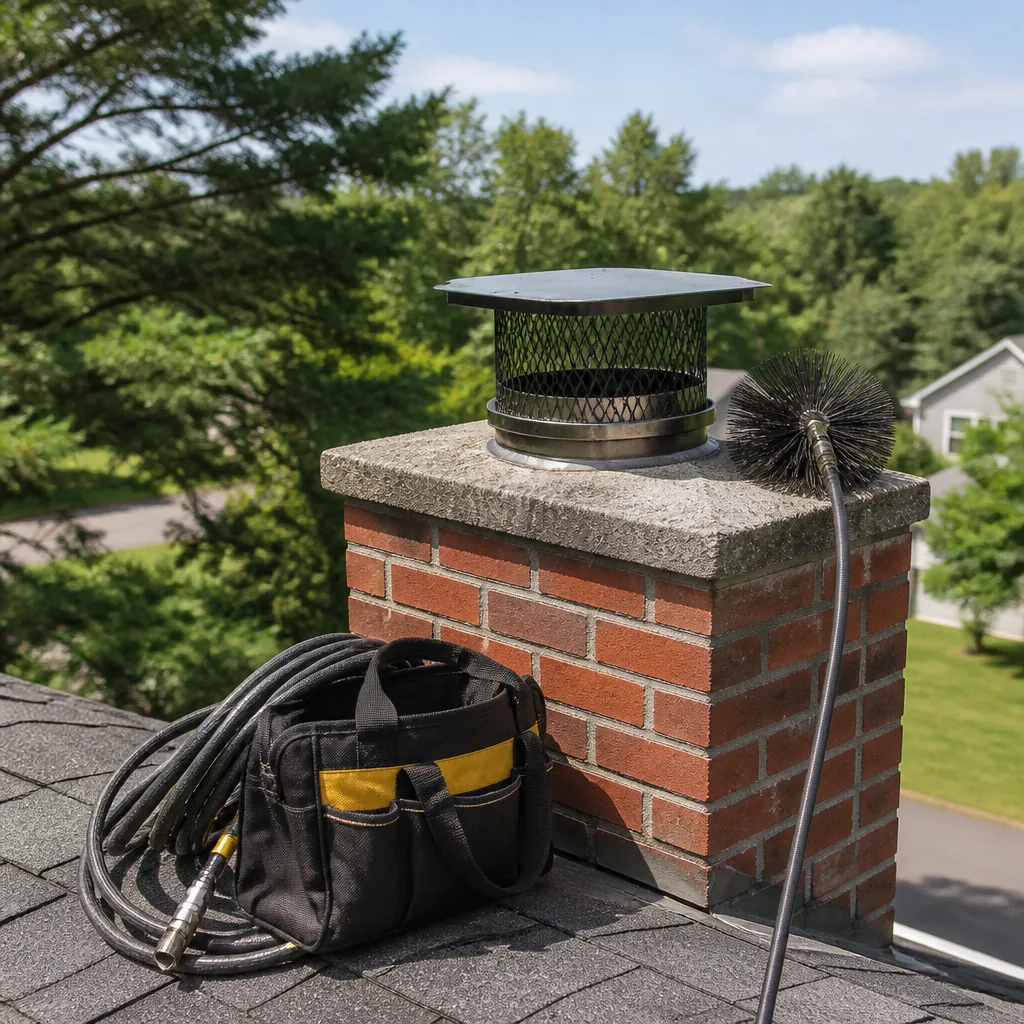 Sweep & inspection
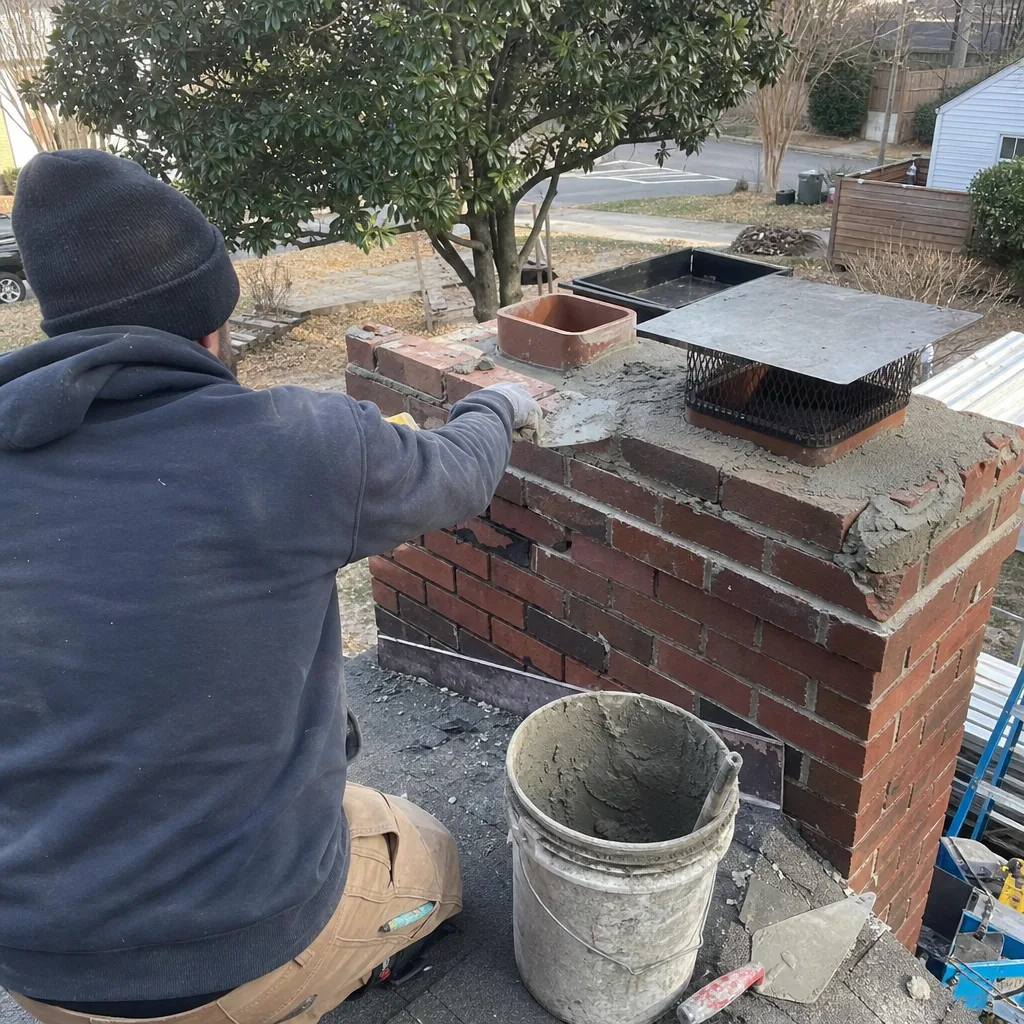
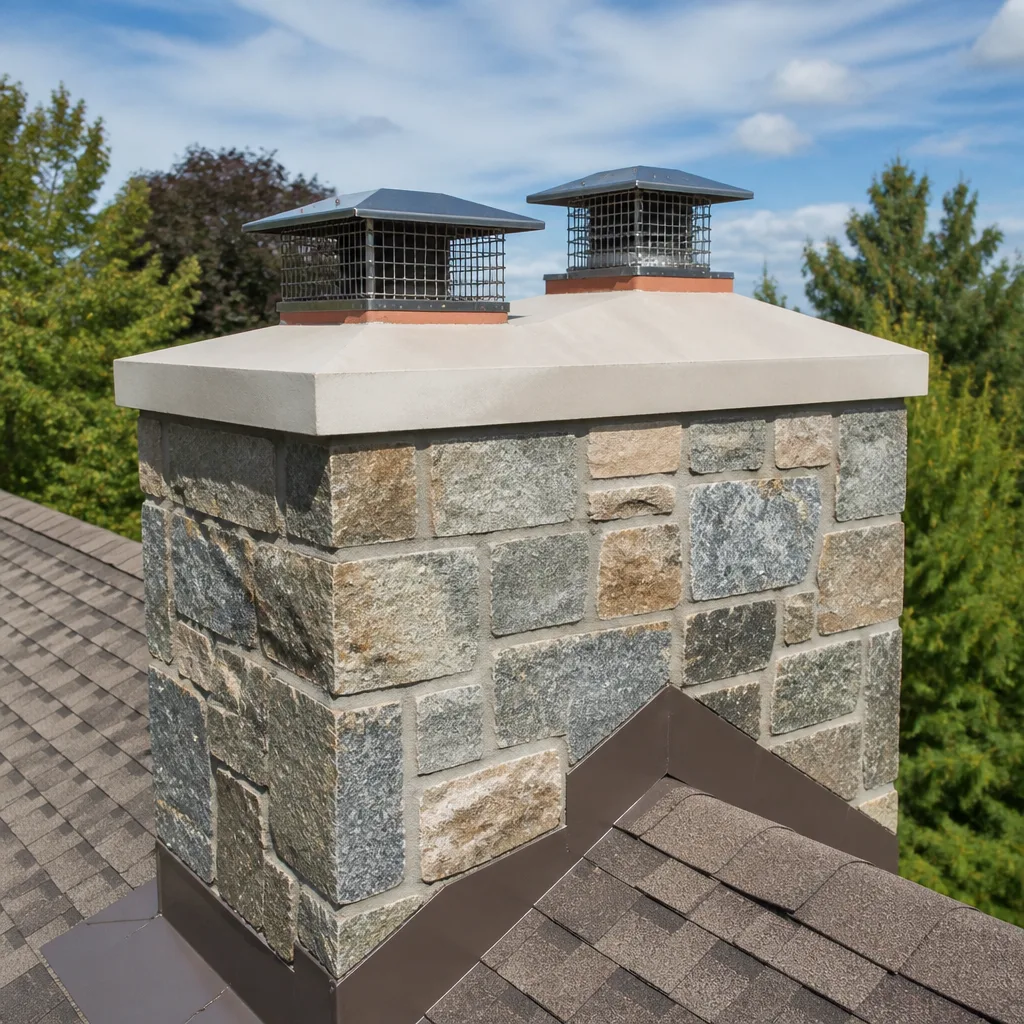 Caps & crowns
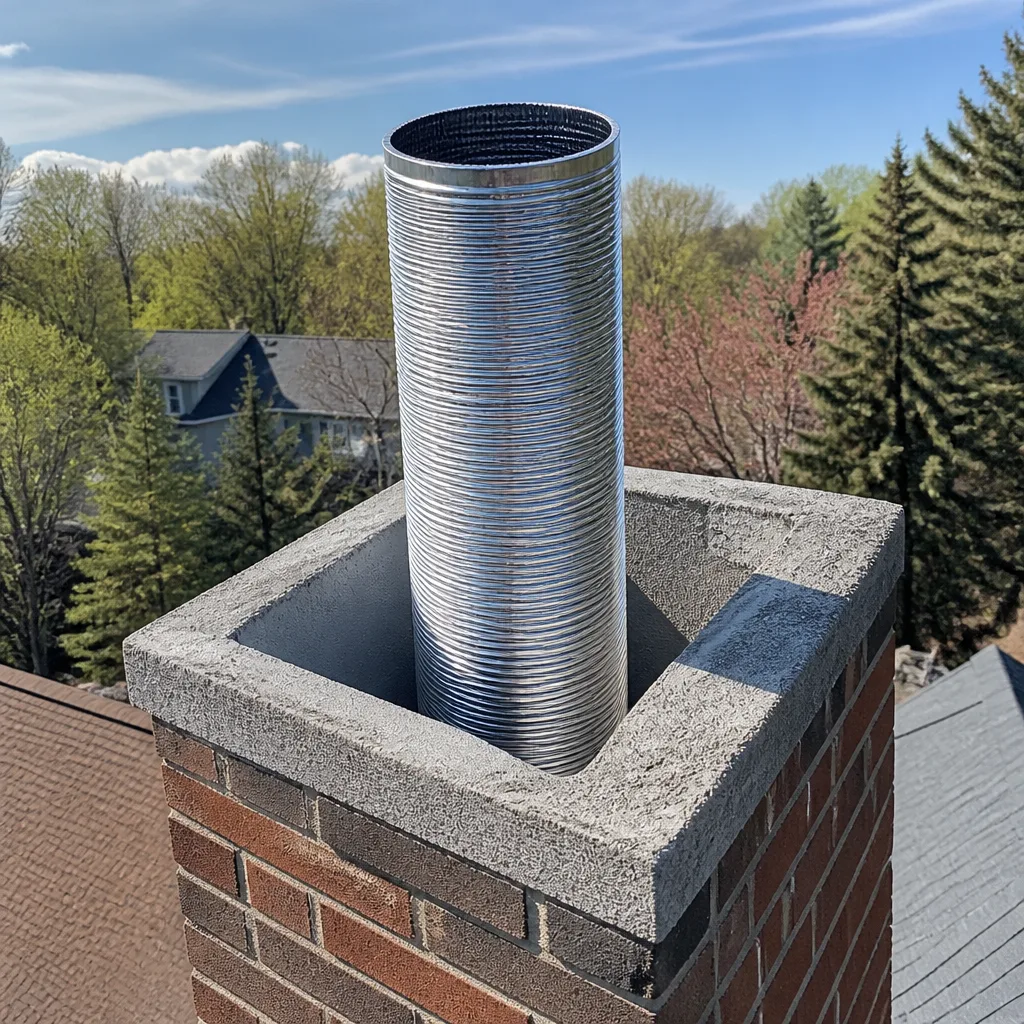 Flue relining
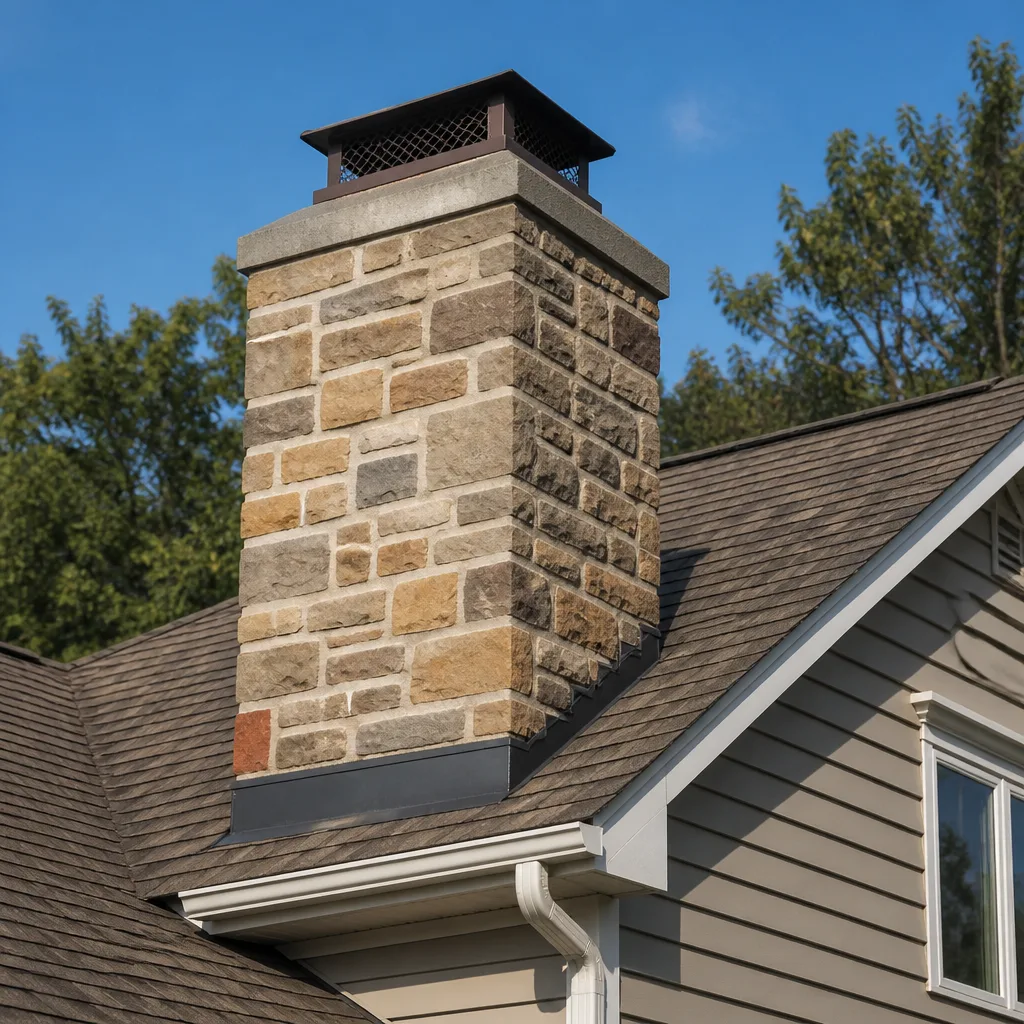 Masonry repair
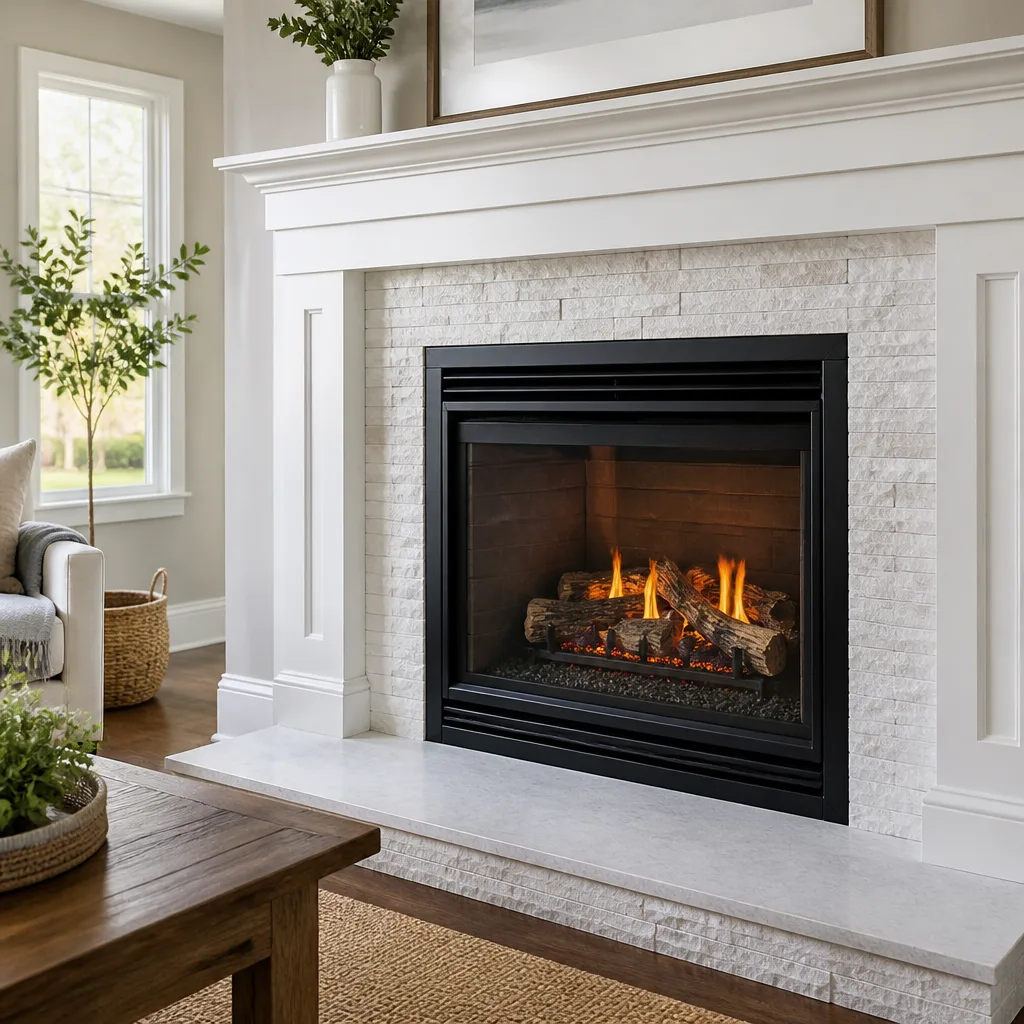 Gas fireplace service
Level 1 sweep and inspection to the NFPA 211 annual standard - flue, crown, cap, and flashing checked and photographed
Chimney sweep logs do not sweep chimneys. They loosen some creosote - which then falls where a brush and vacuum still have to collect it.
How to Hire a Chimney Cleaning Contractor in Southeast Raleigh: A Step-by-Step Guide
Most homeowners vet a chimney contractor the same way they’d vet a plumber: glance at the reviews, ask if they’re licensed, book the appointment. That’s the wrong checklist, and it’s why so many chimney jobs in Southeast Raleigh get done by someone who owns one brush and a shop vac. Chimney work is its own trade, with its own credentialing bodies, its own equipment, and its own failure modes. This guide walks you through the exact questions and checks a specialist would use to screen another specialist, from verifying a certification number on the national registry to reading the line items on a quote.
Quick Answer
To hire a chimney cleaning contractor in Southeast Raleigh, verify the technician’s CSIA certification directly on the CSIA registry, confirm the company carries liability insurance and workers’ comp, ask which liner and waterproofing materials they use by brand name, and require a written inspection report with photos before approving any repair. A legitimate sweep will hand you documentation, not a sales pitch.
Styles & brands we work with
- Sweep & inspection
- Caps & crowns
- Flue relining
- Masonry repair
- Gas fireplace service
Table of Contents
- Step 1: Verify CSIA and NFI Credentials Yourself
- Step 2: Look at the Truck and the Equipment
- Step 3: Read the Quote for Red Flags
- Step 4: Ask About Liner and Waterproofing Materials
- Step 5: Know What a Proper Deliverable Looks Like
- Step 6: Weigh Southeast Raleigh Housing and Climate
- Common Mistakes to Avoid
- When to Call a Professional
Step 1: Verify CSIA and NFI Credentials Yourself
A CSIA certification number takes about ten seconds to check on the national registry, and a surprising number of contractors listed on local platforms don’t survive that check. The CSIA, the Chimney Safety Institute of America, maintains a public database of certified sweeps. Ask for the number, write it down, and look it up. If a company hesitates to give you a specific number, that’s your answer.
NFI, the National Fireplace Institute, certifies technicians on specific fuel types and appliance categories. NFI credentials matter here because a wood-burning fireplace and a gas insert are different systems with different venting requirements. A technician certified for one isn’t automatically qualified on the other. When you’re comparing contractors in Southeast Raleigh, ask which NFI certification the person who will actually be in your home holds, not just the company.
Two more documents to request before the appointment:
- Certificate of insurance for general liability, sent directly from the insurer or agent, not a screenshot the contractor forwarded.
- Workers’ compensation coverage. If a technician is injured on your property and the company doesn’t carry it, the exposure can land on you.
Any established chimney sweep will provide these without friction. The friction itself tells you something. In our experience, the contractors who push back on the credential request are the same ones who show up with a ladder and a hand brush.
Step 2: Look at the Truck and the Equipment
You don’t need to inspect the truck, but you will see it parked in your driveway, and what’s on it says a lot. A specialist running chimney work as their primary trade carries a specific setup. Here’s what separates that from a general handyman with a brush kit from a hardware store:
- Drop cloths and a HEPA vacuum sized for indoor dust control, not a shop vac pulled from a garage shelf.
- Rod sections and brush heads in multiple sizes, because flue dimensions vary from house to house and a single brush won’t fit all of them.
- A chimney camera for inspecting the flue interior, especially on liners and offsets the eye can’t reach.
- Ladders, roof harnesses and fall protection. Roof access is a real hazard, and a professional treats it like one.
- Material inventory or direct access to it for cap, crown and liner work, using brands the trade actually recognizes.
If a contractor shows up without a camera and without a written inspection form, they can’t give you a real assessment of your flue. A brush and a flashlight clean the firebox and the accessible flue. They don’t tell you whether the liner has a crack three feet up past a bend.
A chimney specialist should also be able to talk through the whole system, top to bottom, without handing part of it off. When we quote on a Chimney Sweep Southeast Raleigh job, we’re assessing the crown, cap, flashing and firebox at the same time, because those are the components that determine whether the system holds up.
Step 3: Read the Quote for Red Flags
The quote is where most homeowners get talked into work they don’t need. A fair quote is itemized, written, and tied to findings you can see. A thin one-pager with a single lump sum and a vague line about “chimney repairs” is a signal to slow down. Watch for these patterns:
- Vague line items. “Chimney service” or “misc. repairs” tells you nothing. Ask for the specific scope in writing: which component, what material, what labor.
- No written inspection report offered. A sweep without documentation is a visit you can’t verify. If they can’t tell you what they found in writing, you have no basis for evaluating the price.
- Pressure to approve relining on the first visit without camera documentation. This is the big one. Nobody should ask you to authorize liner work based on a verbal claim. Ask to see the camera footage or photos of the problem before you sign anything.
- No NFPA 211 reference. The National Fire Protection Association standard 211 governs chimney, fireplace and venting installation and inspection. A contractor who can cite the relevant section is working from a standard, not a gut feeling.
- Price that swings with your reaction. If the number drops when you push back, it was never tied to the work.
The right posture for a homeowner in Southeast Raleigh is simple: no repair gets approved until you’ve seen the evidence. That’s the standard we hold ourselves to. We inspect before we quote, and the quote reflects what the inspection actually found.
Step 4: Ask About Liner and Waterproofing Materials
Ask a contractor which brands they use for liner repair and waterproofing, and you’ll learn quickly whether they know the trade or just resell whatever’s cheapest at the supply house. Specialists cite names. Generalists get vague.
For liner repair, we use HeatShield, a specialized resurfacing system that allows us to repair a compromised liner in some cases rather than tear it out and replace it. Most generalists don’t reach for that option because it takes training and the right materials. It’s not the answer for every liner, and a damaged liner that fails inspection criteria should be replaced, not patched. But where it applies, it’s a repair-based alternative to full replacement that many homeowners never get offered. When a full reline is the right call, we install DuraFlex liners.
On the exterior side, waterproofing is what keeps a chimney from decaying. Water is the leading cause of chimney deterioration, and most of it enters at the top of the system. A chimney cap stops water, debris, and animals before they reach your flue, and a crown seals the mortar bed above the brick. Together they’re the first line of defense. This is why we treat chimney cap & crown work as its own dedicated service rather than an afterthought tacked onto a sweep.
Ask specifically:
- What liner material do you use, and why?
- Do you offer a repair-based option for a damaged liner, or only replacement?
- What waterproofing product do you apply, and how does it breathe?
- Who manufactures your caps and crowns?
The answers will separate a technician from a salesperson quickly.
Step 5: Know What a Proper Deliverable Looks Like
When the job is done, a professional sweep leaves you with documentation, not just a swept firebox. Here’s what you should be able to hold in your hand:
- Written findings from the inspection, listing each component checked and its condition. Not a checkbox form with nothing filled in.
- Photos of the flue interior where a camera was used, along with any exterior shots of the cap, crown or flashing.
- An NFPA 211 reference for any deficiency flagged, so you know the standard behind the recommendation.
- A written estimate for any recommended repair, itemized and separate from the cleaning invoice.
- A clear statement of what can safely wait. Not everything needs to be fixed today. A good technician will tell you which items are urgent and which can be scheduled later.
That last point matters more than people realize. A contractor who tells you everything is urgent is selling, not diagnosing. We offer a standalone inspection so you can get an honest assessment without a service purchase. Diagnosis comes before any sales conversation, and sometimes that diagnosis is “this can wait until spring.”
For gas fireplace owners, the deliverable should also address the venting and the firebox condition, since a gas appliance has different failure points than wood. Our fireplace repair work begins the same way the sweep does: assessment first, then a written plan.
Step 6: Weigh Southeast Raleigh Housing and Climate
Southeast Raleigh’s housing stock runs from older homes near the downtown edge out to newer construction further south, and the chimney systems vary as much as the buildings. Older brick chimneys in the neighborhood often have original mortar that’s been through decades of freeze-thaw cycles, and the crowns on those homes are frequently the original pour. Crowns crack. Water gets in. The brick face starts to spall and the interior of the flue degrades. That’s the pattern we see most often in Southeast Raleigh, and it’s why cap and crown inspections matter as much as the cleaning.
Our climate plays a role too. Warm, humid summers followed by cold snaps mean a chimney swings between expansion and contraction. Masonry and clay tile liners handle that better than they handle water sitting inside the flue from a failed cap. If your chimney is drawing poorly, has a sour smell in humid weather, or shows white staining on the exterior brick, those are signs worth documenting before you book.
When you’re screening contractors in Southeast Raleigh, ask whether they’ve worked on your type of chimney before. A prewar brick chimney with a clay tile liner is a different job than a modern prefab system with a metal flue. The chimney sweep you hire should be able to describe both.
See the difference
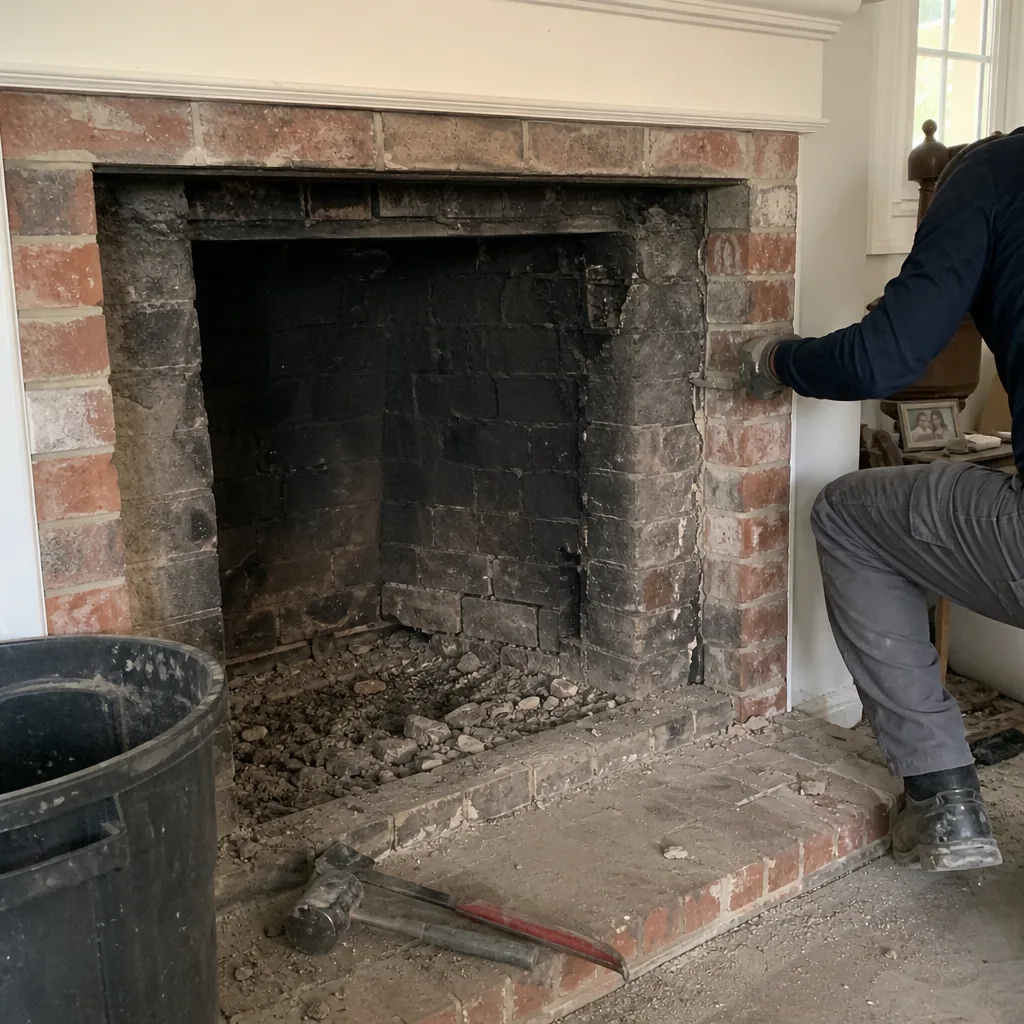 Before
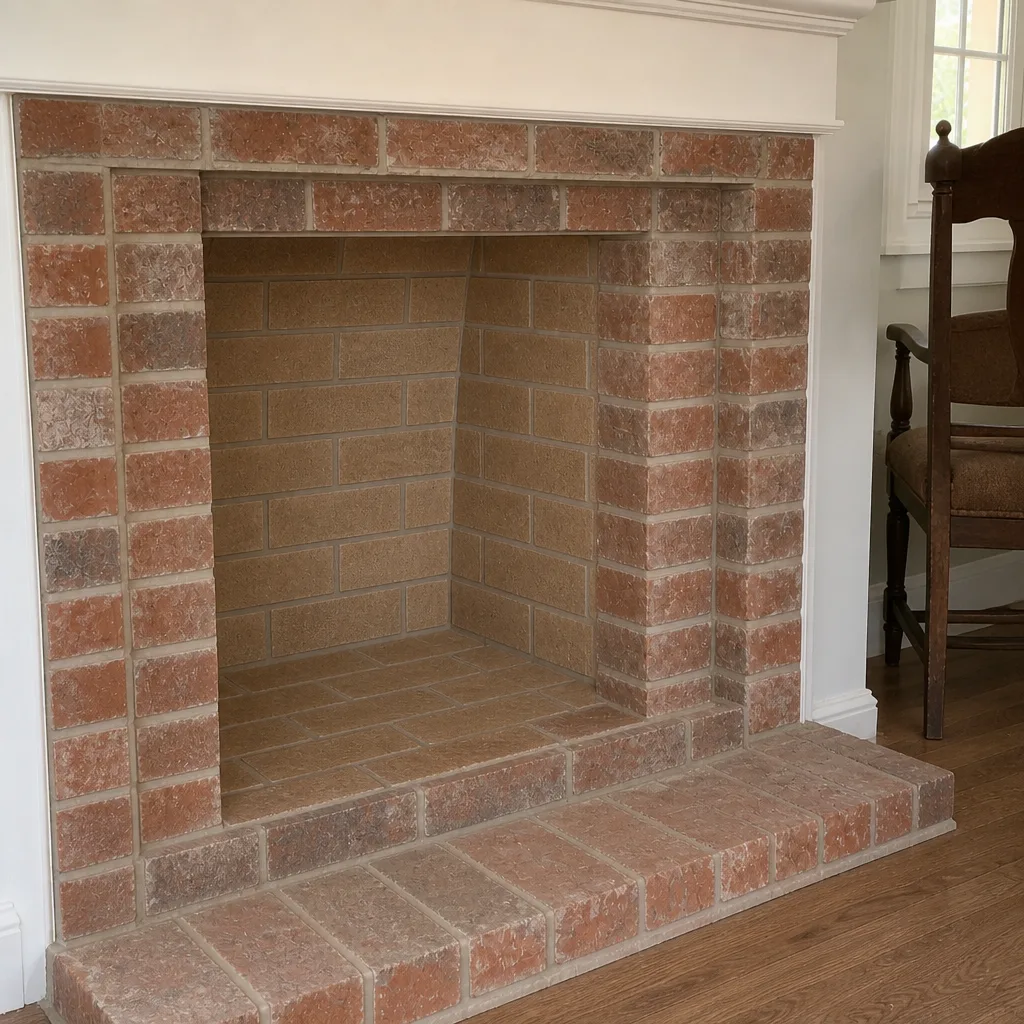 After
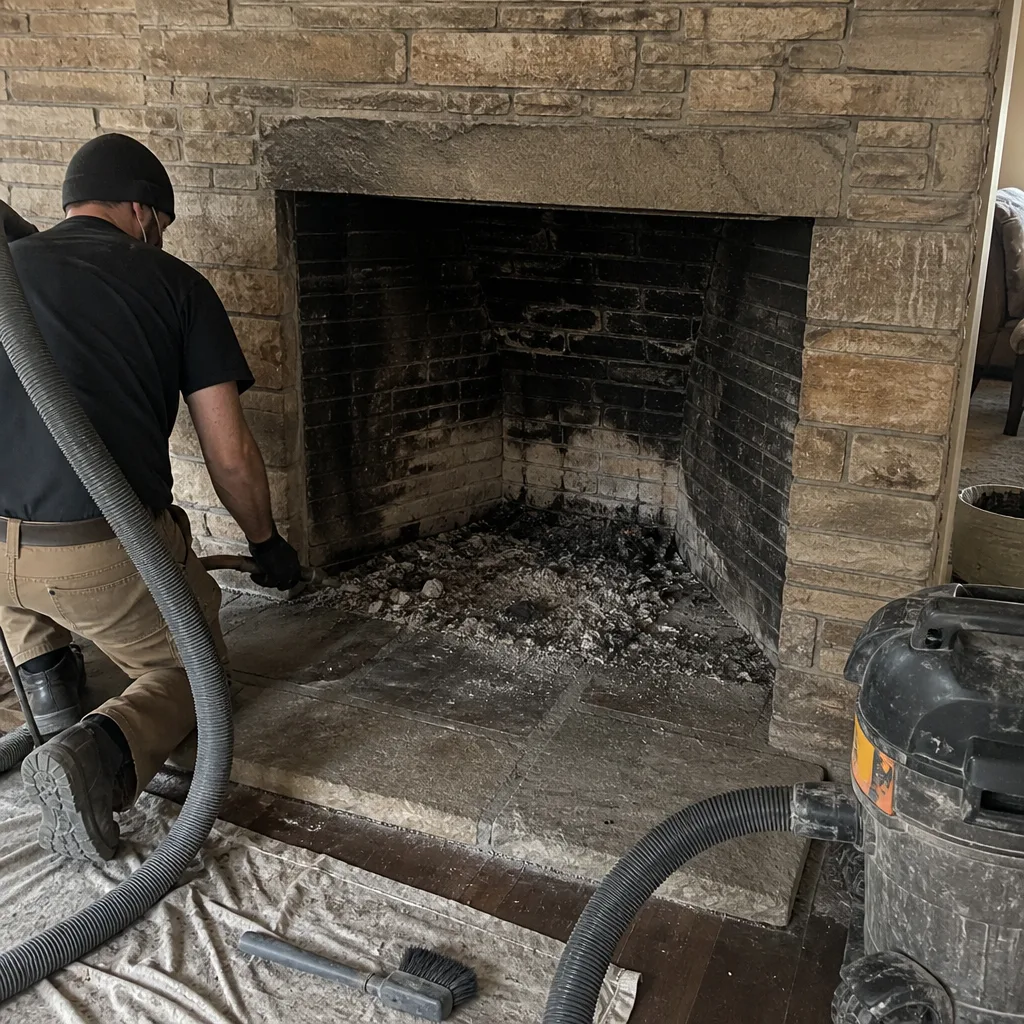 Before
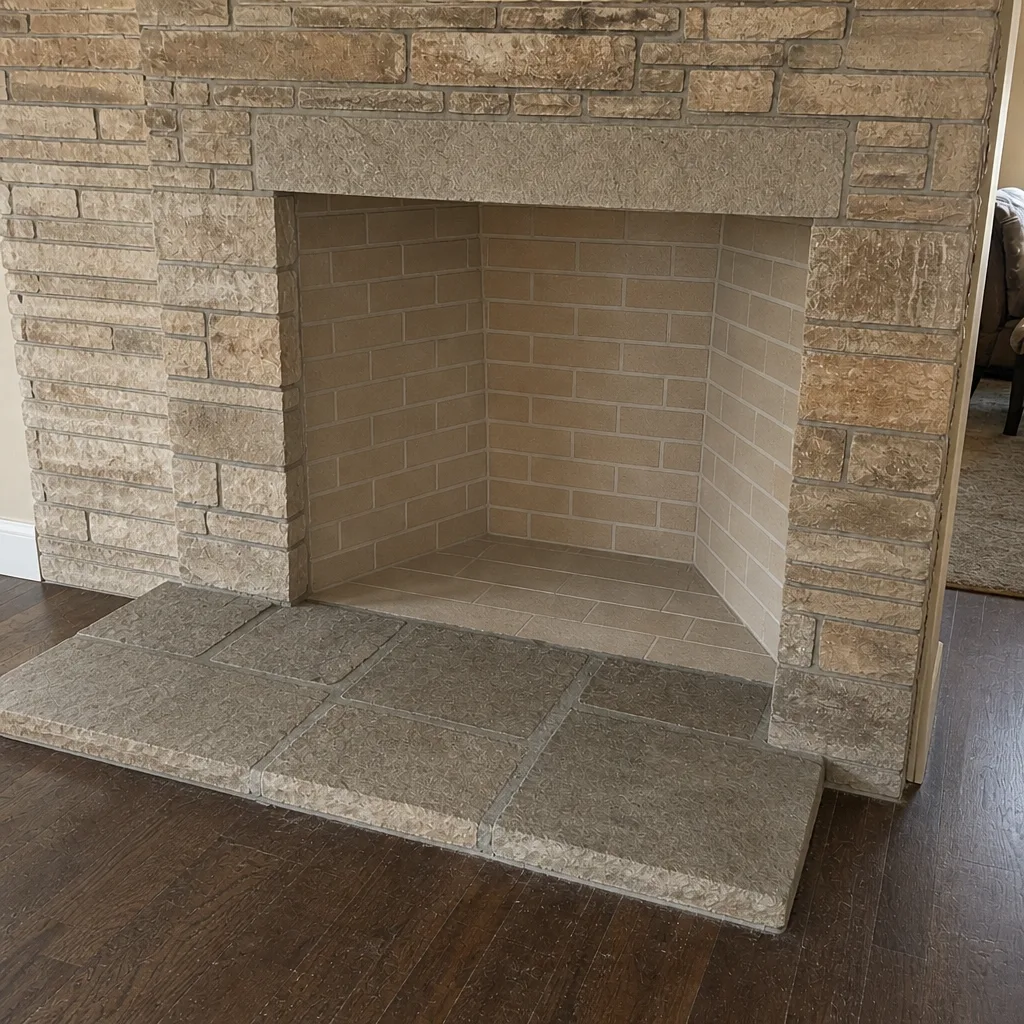 After
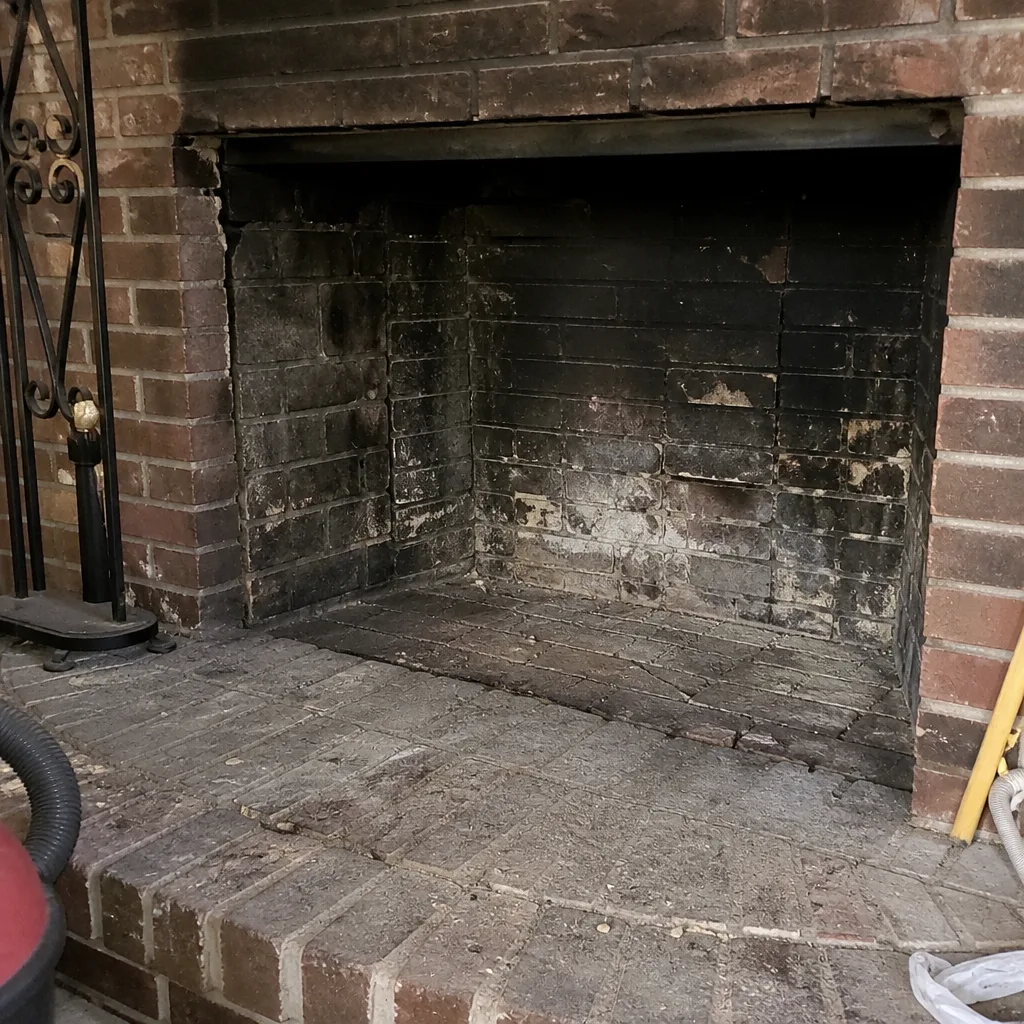 Before
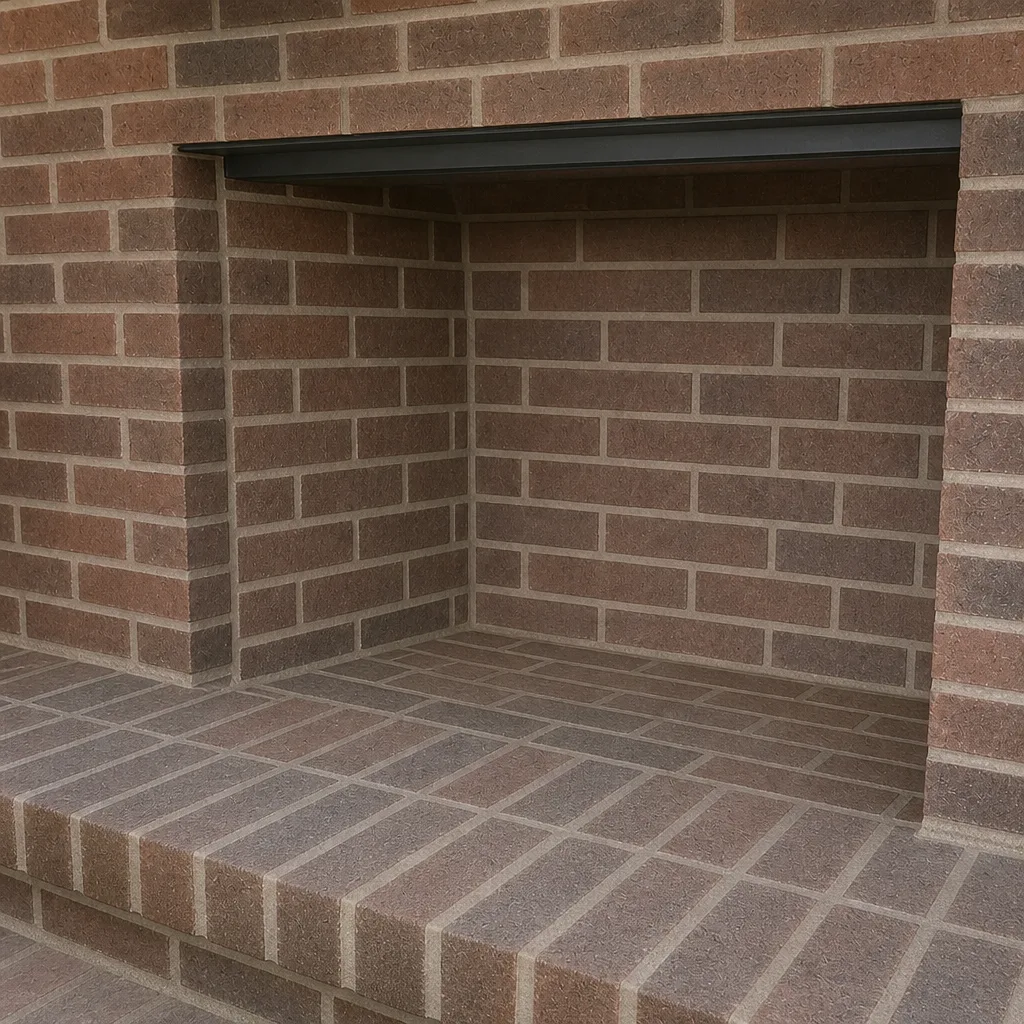 After
Common Mistakes to Avoid
- Accepting a verbal credential. “We’re certified” is not a certification. Ask for the number and verify it. This is the single check most Southeast Raleigh homeowners skip.
- Approving liner work on the spot with no photos. If you haven’t seen the camera footage, you have no way to judge whether the reline was necessary. Ask to see the evidence first.
- Hiring a handyman who “does chimneys too.” A sweep is a specialty, and the equipment list alone tells you who’s serious.
- Skipping the written report. Without documentation, you can’t compare quotes or track the condition of your chimney over time.
- Assuming a cheap sweep is a bargain. The low number usually reflects a low scope. What matters is the documented inspection that comes with it.
- Ignoring the cap and crown. These are the two most common points of water intrusion. Water damage accumulates quietly and gets expensive.
- Choosing a contractor who can’t name their materials. A specialist will tell you the brand and explain why. Vagueness about materials is vagueness about the work.
When to Call a Professional
Some chimney problems announce themselves, and others sit quietly. Call a professional when you’re seeing any of these: smoke rolling back into the room when the fire is lit, a smell of creosote in warm weather, a draft that’s gotten worse over a season, water stains on the ceiling near the chimney, loose bricks or crumbling mortar on the exterior, a cap that’s dented or missing, or a chimney that hasn’t been inspected in a long time. For a wood-burning fireplace, creosote buildup is the concern, and a trained sweep is the only way to know what’s inside the flue. The Chimney Sweep Southeast Raleigh team offers free estimates in Southeast Raleigh, and we inspect before we quote. Call (833) 513-8676. We answer 24/7. Fast dispatch from 7am to 7pm, Sunday through Friday.
Frequently Asked Questions
Pricing is set per job by a written estimate, so the number depends on the system, the amount of buildup and whether any repair is needed. The estimate is free, and we don’t quote before we’ve inspected. Call (833) 513-8676 for an exact quote.
Verify it. The CSIA maintains a public registry, and the check takes about ten seconds once you have the number. Asking on the phone doesn’t tell you whether the certification is current or belongs to the company or the individual.
Sweep a wood-burning chimney when creosote buildup reaches roughly an eighth of an inch, which for most households means an annual inspection and cleaning as needed. Gas appliances have different intervals, and the inspection tells you what the schedule should be.
Sometimes you do, and sometimes you don’t. Liner work should only be recommended with camera footage or photos you can see. Where the liner is compromised but still serviceable, HeatShield resurfacing can be an alternative to full replacement. Ask for the evidence before you decide.
Creosote builds up on the flue walls, and the thicker it gets, the more it restricts draft and the more fuel it puts in the path of a hot ember. That’s the fire risk a sweep is designed to prevent. It’s also the point where a small repair becomes a structural one.
Yes. We offer chimney inspections as a standalone service, so you can get an honest assessment without buying anything else. That structure is deliberate: we diagnose before we recommend.
The Bottom Line
Hiring a chimney contractor in Southeast Raleigh comes down to five moves: verify the CSIA number on the registry, confirm the insurance and workers’ comp, look at the equipment, read the quote for red flags, and demand written findings with photos before approving any repair. The brands a contractor names and the standard they cite tell you whether they’re in this trade or passing through it. We work with HeatShield, DuraFlex and the other materials we’ve named throughout this guide because those choices reflect the work, not the marketing. When you’re ready to get an assessment from a specialist, call (833) 513-8676. We answer 24/7. Fast dispatch from 7am to 7pm, Sunday through Friday.
Written by the team at Chimney Sweep Southeast Raleigh.