
Last updated November 23, 2026
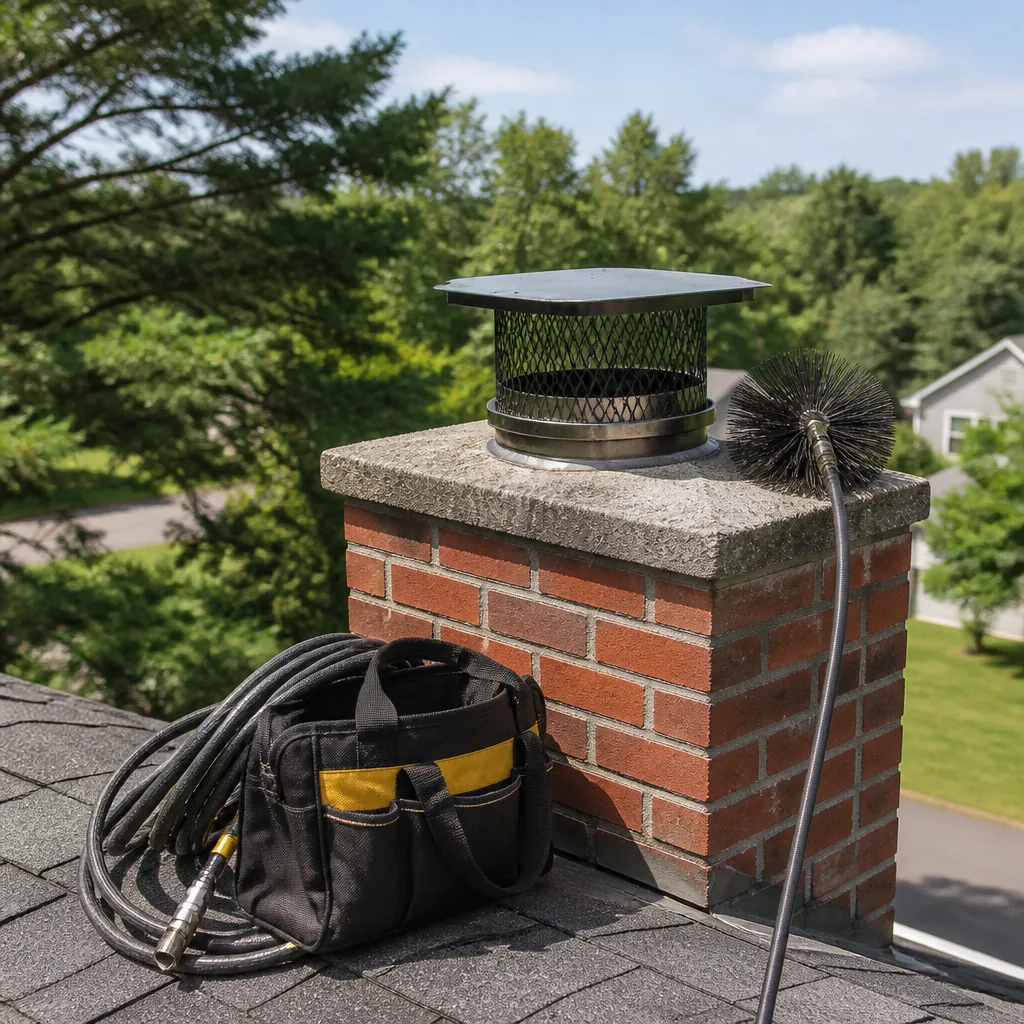 Sweep & inspection
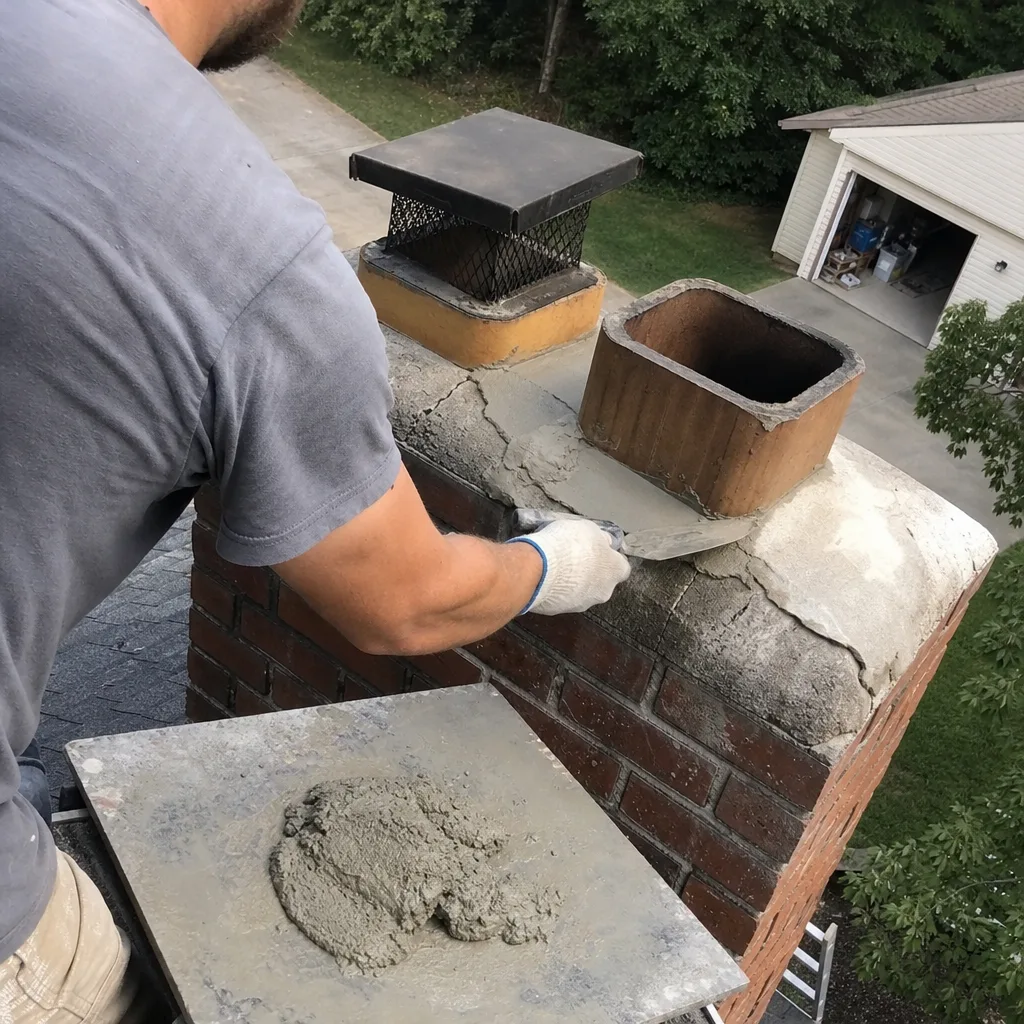
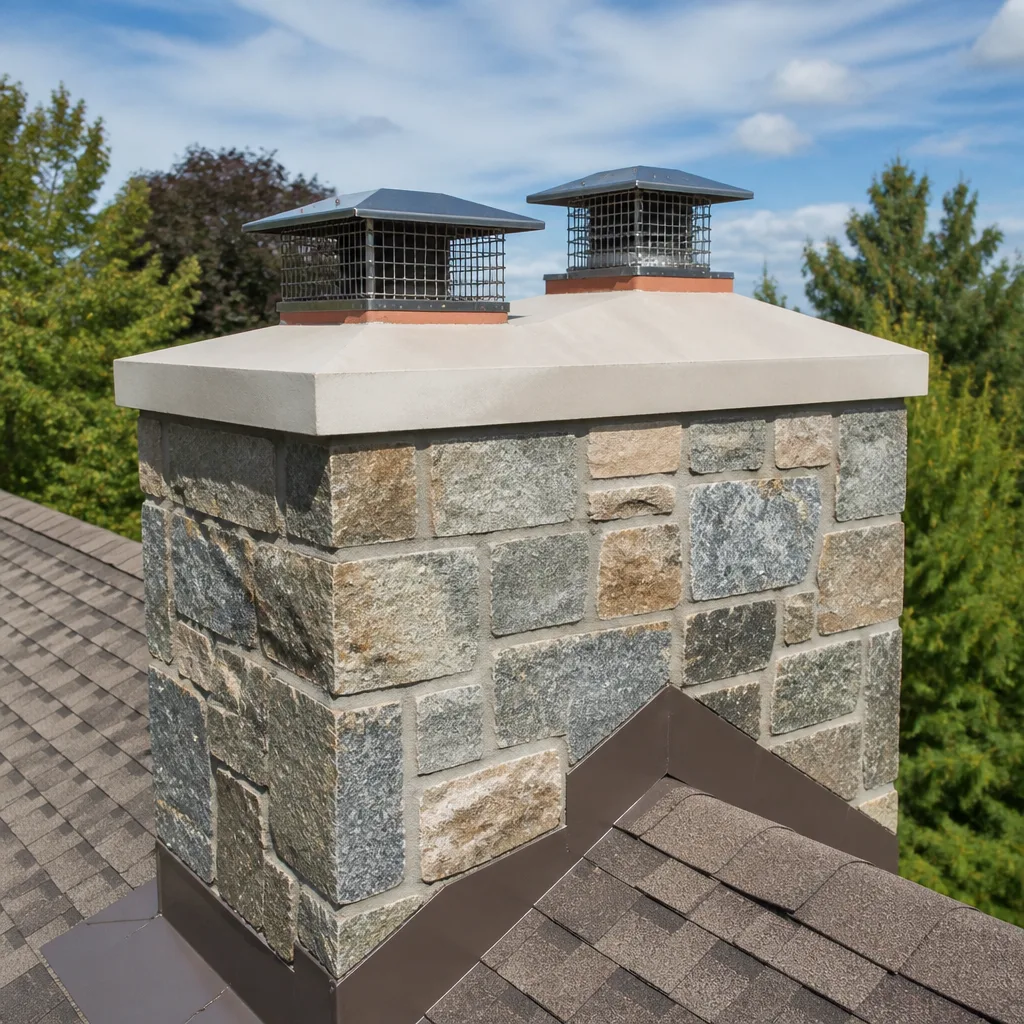 Caps & crowns
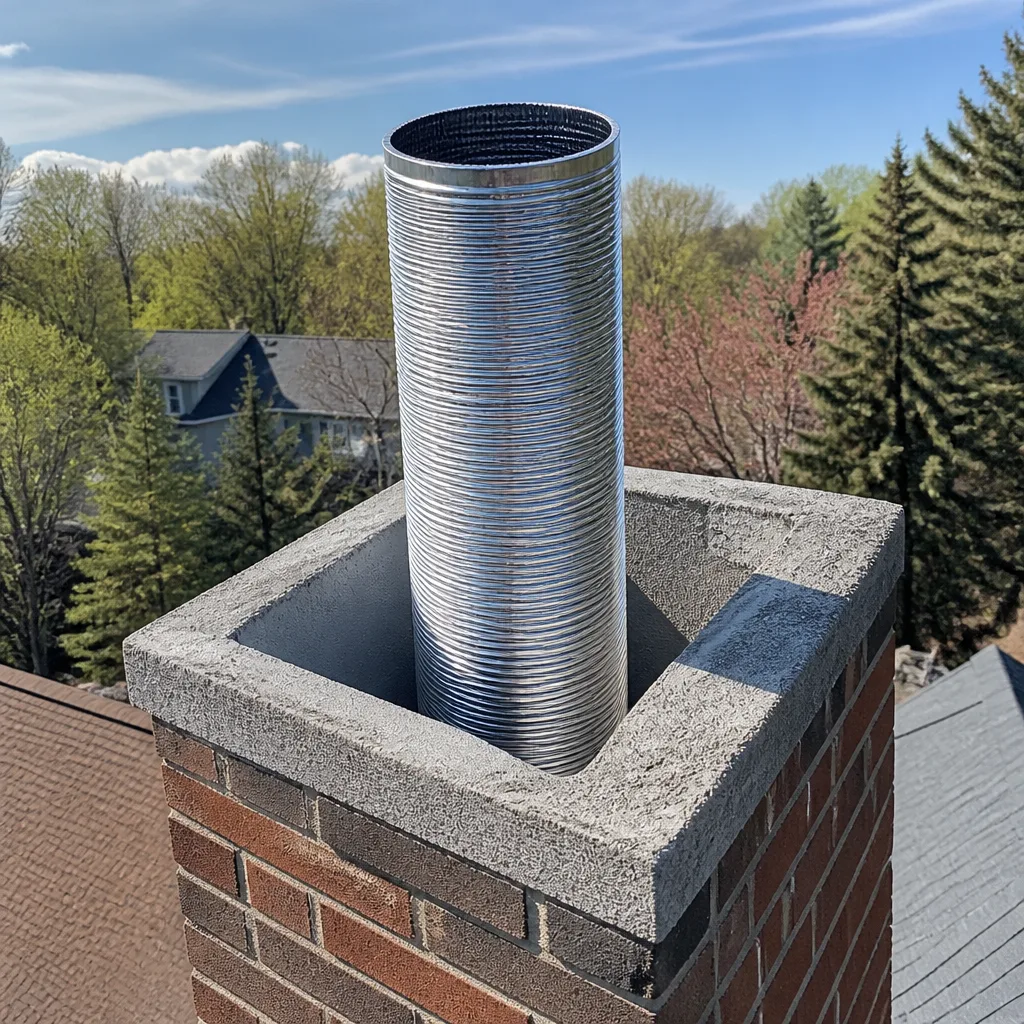 Flue relining
 Masonry repair
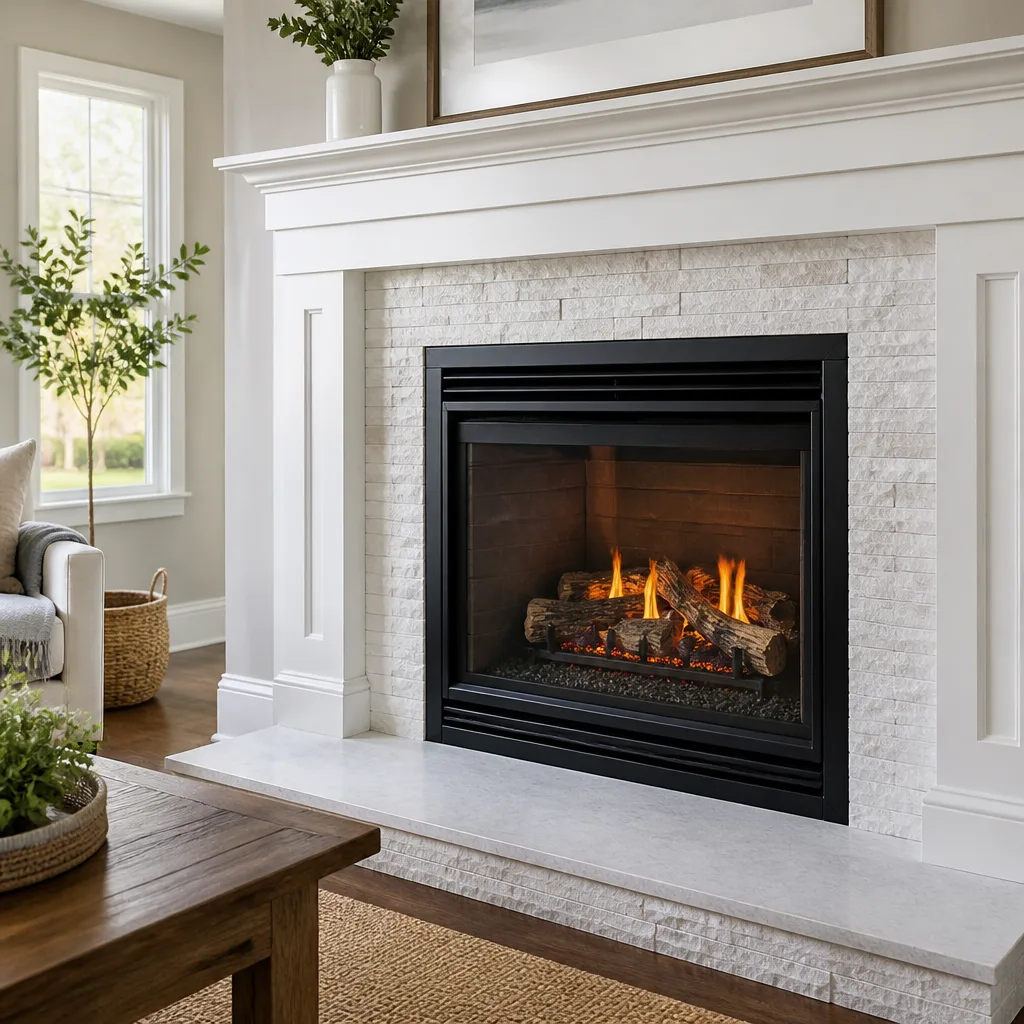 Gas fireplace service
Level 1 sweep and inspection to the NFPA 211 annual standard - flue, crown, cap, and flashing checked and photographed
Chimney sweep logs do not sweep chimneys. They loosen some creosote - which then falls where a brush and vacuum still have to collect it.
Chimney Sweep Maintenance Checklist for Southeast Raleigh Homeowners
Most chimney problems in Southeast Raleigh don’t announce themselves with smoke in the living room. They start quietly at the top of the system, where a galvanized cap slowly corrodes and a hairline crack in the crown lets water in season after season. Homeowners tend to focus on the firebox, since that’s the part they see, while the parts doing the real work sit above the roofline and out of sight. This checklist covers what you can observe yourself, what to log after each burn season, and where the line sits between a maintenance item you can handle and a trigger for a professional evaluation. We’ve built it around the specific weather patterns and housing stock of Southeast Raleigh, not a generic national template.
Quick Answer
A chimney maintenance checklist for Southeast Raleigh should combine an annual professional sweep and inspection with owner-side checks of the cap, crown, mortar joints, and interior draft behavior, timed to the local weather calendar. Schedule the professional evaluation in late summer or early fall before burning season begins, and do a visual exterior walkaround each spring after the last freeze. Log odor, draft, and staining observations after every burn season so your technician starts with useful history instead of a blank slate.
Styles & brands we work with
- Sweep & inspection
- Caps & crowns
- Flue relining
- Masonry repair
- Gas fireplace service
Table of Contents
- The Exterior Walkaround: What to Look At From the Ground
- Why Your Cap Deserves a Closer Look Than You Think
- Crown Condition After Freeze-Thaw Cycles
- Mortar Joints, Efflorescence, and Spalling Brick
- Interior Indicators: Draft, Odor, and Damper Behavior
- What to Log After Each Burn Season
- The Southeast Raleigh Seasonal Calendar
- Maintenance Item vs. Professional Trigger
The Exterior Walkaround: What to Look At From the Ground
You can learn a lot about a chimney without climbing anything. A ground-level walkaround, done with binoculars from the yard, catches the majority of early warning signs before they turn into structural repairs. The trick is knowing what you’re looking at and what a change means. We recommend doing this walkaround twice a year: once in early spring after the last hard freeze, and once in late summer before burning season starts.
Here’s what to check, in order:
- The cap and spark screen. Look for rust, sagging, loose fasteners, or a screen that’s torn or clogged with debris. A cap that’s tilted or sitting crooked is doing less than nothing.
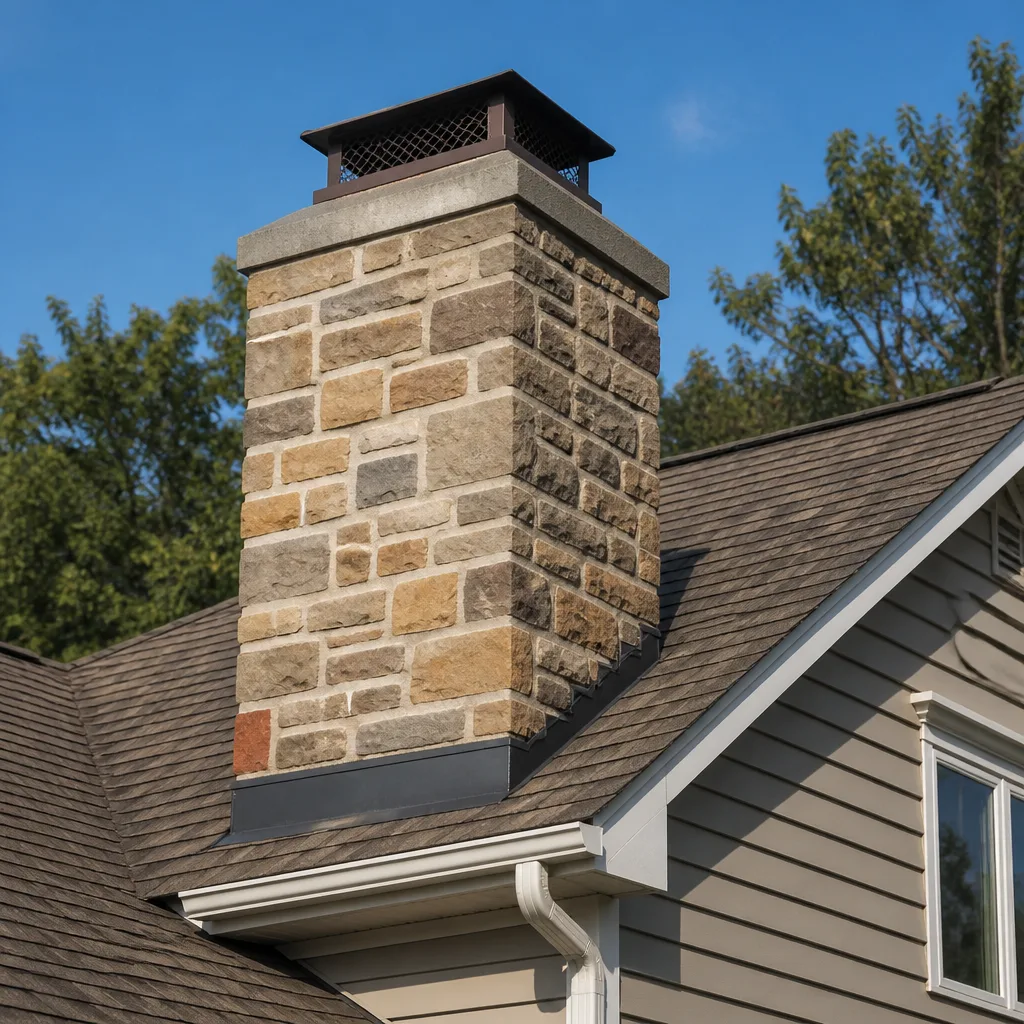
- The crown. That’s the concrete or mortar surface at the very top of the chimney that sheds water away from the flue. Look for visible cracks, crumbling edges, or a crown that’s pulling away from the flue tile.
- Mortar joints. Run your eye down the joints between the bricks. Healthy mortar is consistent in color. Joints that have turned darker, chalky, or recessed are telling you something.
- Brick faces. Look for white, powdery staining (efflorescence) or brick faces that are flaking or peeling (spalling).
- The flashing where the chimney meets the roof. Look for gaps, lifted edges, or rust streaks running down the shingles.
- The roofline itself. Sagging, staining, or moss growth concentrated near the chimney is a sign water is getting in somewhere.
None of these checks require a ladder, and none of them are diagnostic on their own. They’re observations. What they do is give you a short list of specific things to raise with a technician, which is worth more than a vague “my chimney seems fine.” In our experience, homeowners who do this walkaround catch cap and crown problems months before they’d otherwise notice anything wrong inside.
Why Your Cap Deserves a Closer Look Than You Think
The chimney cap is the cheapest component in the system and the one that fails first. A cap’s job is to keep water, debris, and animals out of the flue while allowing exhaust to escape. When it stops doing that, the consequences show up much further down the system. Galvanized caps in this part of North Carolina typically corrode within seven to ten years, which means a cap installed in the middle of the last decade may already be past its service life. Most homeowners have never looked up to check.
What corrosion looks like:
- Rust streaks running down the sides of the cap or onto the chimney top
- Thinning or flaking metal at the seams and corners
- A spark screen that’s rusted through or torn at the frame
- Loose or missing fasteners where the cap attaches to the flue
- A cap sitting at an angle rather than level
A failed cap lets water straight into the flue. From there it reaches the damper, the smoke chamber, and eventually the liner itself. That’s a big part of why we treat a chimney cap & crown as a dedicated service rather than an add-on to a sweep. The cap and crown work together to seal the top of the system, and doing one without the other leaves a gap. When we replace a cap, we’re matching it to the flue size and the liner type, not grabbing whatever fits at the hardware store. That’s why we work with brands like Gelco and Olympia Chimney for caps and components – they hold up to the humidity swings this region throws at them, and they’re sized to actual flue dimensions rather than approximated.
If your cap is original to a house built in the last ten years, check it now. If it’s older than that, check it every spring.
Crown Condition After Freeze-Thaw Cycles
Southeast Raleigh sits in a climate where winter brings repeated freezes and thaws rather than one long hard freeze. That freeze-thaw cycling is hard on concrete. Water seeps into a hairline crack in the crown, freezes overnight, expands, and pops the crack a little wider. The cycle repeats dozens of times over a winter. By spring, a crack that was barely visible in November can be wide enough to route water into the chimney structure on every rain.
What a failing crown looks like from the ground:
- Cracks running from the flue outward to the edge
- Chunks of concrete missing from the crown surface
- A crown that no longer overhangs the chimney walls (the overhang is what sheds water off the sides)
- Visible separation between the crown and the flue tile
- Water staining on the chimney sides just below the crown line
A crown repair or replacement is one of the highest-return maintenance items on a chimney because it protects everything beneath it. When a crown is left cracked, water enters the masonry, soaks into the brick and mortar, and eventually finds its way to the interior framing. The damage that starts at the top shows up as interior water staining, and by the time a homeowner notices that, the repair involves significant masonry work rather than a crown pour. We check crown condition on every inspection because it’s one of the two most common points of water intrusion we see on Southeast Raleigh chimneys (the other being the cap).
If your crown has cracks you can see from the ground, that’s not a watch-and-wait situation. It’s worth having it looked at before the next freeze.
Mortar Joints, Efflorescence, and Spalling Brick
The masonry above the roofline is exposed to weather on all four sides, and it’s where the freeze-thaw damage from the crown and cap issues eventually lands. Mortar and brick tell you what’s happening in ways that are easy to read once you know the signs. Two patterns matter most: efflorescence and spalling, plus the color of the mortar joints themselves.
Efflorescence is that white, chalky, powdery stain on brick. It’s salts migrating to the surface as moisture moves through the masonry and evaporates. A little efflorescence that brushes off is often seasonal and not by itself a problem. Heavy efflorescence that keeps returning after you brush it off tells you moisture is moving through the brick consistently – and where moisture moves consistently, it’s also freezing and expanding.
Spalling is more serious. Brick faces that are flaking, peeling, or popping off in layers are spalling. It means the brick has absorbed water repeatedly and is breaking apart from the inside. Spalling brick above the roofline is a structural warning, not a cosmetic one.
Mortar color is the subtlest indicator. Healthy mortar is consistent. Joints that have gone darker (moisture retention), chalky (leaching), or significantly recessed (erosion) point to a joint that’s losing its ability to keep water out. Recessed joints also let water sit in the gap, which accelerates the damage.
On the liners themselves, the equivalent of these exterior clues shows up as staining patterns. A liner that’s failing often shows soot patterns that don’t match the rest of the flue, glaze-like deposits, or staining that changes character partway up. These observations point us toward a closer look with a camera before we recommend any repair. We use HeatShield resurfacing on liners that qualify because it repairs the liner rather than replacing it – but the decision only follows after the camera confirms what’s going on. If a liner needs replacement, the familiar liner brands like DuraFlex come into play.
Interior Indicators: Draft, Odor, and Damper Behavior
The firebox and chimney interior give you signals too, and they’re worth noting carefully because they interact with the exterior signs. Draft, odor, and damper resistance are the three things a homeowner can track themselves. None of these are diagnostic on their own, but tracking changes over time is enormously useful to a technician.
Draft behavior. A chimney that once lit easily and pulled well but now smokes at startup, struggles to establish draft, or backdrafts when the wind shifts is showing a change. Draft problems can come from a partially blocked flue, a cold flue, a cap design that’s wrong for the appliance, or a liner problem.
Odor timing. The timing and character of a smell tells you something. A musty or damp smell that appears after rain suggests moisture is getting in somewhere. A musty smell that shows up when the fireplace isn’t in use points in the same direction. An acrid smell, especially during the first fire of the season or when the fireplace is dormant, often points to creosote, which is the residue left behind by wood smoke. Creosote buildup is one of the reasons chimney fires happen, and it’s a maintenance concern, not a reason to panic – but it’s a reason to have the flue cleaned.
Damper resistance. A damper that used to open smoothly and now sticks, scrapes, or won’t open fully needs to be looked at. Rust and warping are common causes, and both suggest moisture has reached the damper assembly. If your damper is stuck open, you’re losing heat and letting cold air down the flue when the fireplace is off – a comfort issue that also points to a moisture problem.
Write down what you observe. “Musty smell after rain in October and November” is far more useful to a technician than “sometimes smells weird.”
What to Log After Each Burn Season
Maintenance is much more effective when there’s a record. A sheet of paper or a note on your phone is enough. What you’re doing is giving the technician useful history instead of starting from zero every year. Here’s the format we recommend to Southeast Raleigh homeowners:
- Date of last sweep and inspection. Note who did it and any recommendation they made.
- Cords of wood burned. Roughly how much you used over the season, and whether it was seasoned or green.
- Draft notes. Did the fireplace light easily? Did smoke back up? Anything unusual about how it drew?
- Odor notes. What you smelled, when you smelled it, and what the weather was doing at the time.
- Interior observations. Water staining, drafts from the fireplace when it’s off, damper stickiness, unusual sounds.
- Exterior notes. Cap condition, crown observations, anything new you noticed on the walkaround.
- Any repairs done during the season. Cap replacement, crack repair, anything on the firebox or damper.
Bring that log to your appointment. A technician who knows “the homeowner reported musty odor after rain in March and April” is going to check moisture intrusion points first. A technician with a blank slate has to start from scratch. That’s the difference between a focused inspection and a broad one, and it makes your time more useful.
The Southeast Raleigh Seasonal Calendar
“Annually” isn’t a schedule – it’s a frequency. Timing matters in this climate because the weather itself creates specific windows where doing the work pays off most. Here’s how we think about the calendar for Southeast Raleigh, based on what our technicians see season to season.
| Season | Owner-side action | Professional service |
|---|---|---|
| Late winter (Feb – Mar) | Exterior walkaround after the last hard freeze: cap, crown, mortar, efflorescence | Crown and cap repair if cracks are visible from the ground |
| Spring (Apr – May) | Interior draft and odor notes; check for spring rain getting in | Water-intrusion diagnosis if interior staining appears |
| Summer (Jun – Aug) | Quiet season – a good time to catch up on any deferred maintenance | Book the annual sweep and inspection before the fall rush |
| Early fall (Sep – Oct) | Final exterior walkaround; confirm cap and crown ahead of burning season | Full sweep, inspection, and camera evaluation before you light the first fire |
The pattern is simple: catch the exterior damage after the freeze-thaw window closes at the end of winter, and do the professional sweep before the burning season opens in fall. Many Southeast Raleigh homeowners call in October or November because smoke came out the wrong way on the first fire. That’s a rush. A sweep booked in August or September gets scheduled on the day it’s booked, with time to fix whatever the camera finds. If the weather does turn cold before you’ve booked, we answer 24/7 and can work in a fast dispatch from 7am to 7pm on the next opening.
If you’re not sure what your chimney needs, a standalone inspection is worth the call. Our full-service chimney work means we can sweep, inspect, or repair, and we don’t require a different contractor for each. More on that on our Chimney Sweep Southeast Raleigh page.
Maintenance Item vs. Professional Trigger
The most useful distinction in the checklist is the one between a maintenance item and a trigger for professional evaluation. Confusing the two is how homeowners end up either worried about the wrong thing or ignoring the right one. Here’s the clean split:
Maintenance items (you can handle these)
- Brushing leaves and debris off the cap screen
- Clearing branches or climbing vines off the chimney exterior
- Confirms the cap is level and the fasteners are snug
- Notes on draft, odor, and damper behavior after each season
- Keeping the exterior walkaround on the calendar
- Booking the annual sweep and inspection on time
Professional triggers (call a technician)
- Cap corrosion, sagging, or cracking
- Crown cracks visible from the ground
- Spalling brick above the roofline
- Efflorescence that returns after brushing
- Water staining on the interior of the chimney chase
- Draft problems that change character over the season
- A musty smell that appears after rain
- Any acrid smell while the fireplace is running
- A damper that sticks or won’t fully open
- Visible creosote buildup (thick, black, or glossy deposits) inside the firebox
The safety side of this matters more than the cosmetic side. A chimney fire can ignite creosote in the flue, and carbon monoxide can build up if a flue is blocked or damaged. We don’t bring these up to sell work – we bring them up because they’re the real reason to take a cracked crown or a musty smell seriously. If any of the triggers above are present, have a professional look before the next fire.
Our technicians have up to 13 years of experience, and we approach the diagnosis the same way every time: inspect before we quote, assess the liner with a camera when the symptoms call for it, and recommend work only when there’s a visible reason to. Our inspection is a standalone service, so you can get the assessment without buying anything else. Full-service chimney work means the same specialist team handles the sweep, the fireplace repair, the crown and cap work, and the structural repairs – no second contractor and no referral out.
Common Mistakes to Avoid
- Assuming the sweep last year covered everything. A sweep cleans the flue. A full inspection looks at the cap, crown, and masonry. They’re not the same, and getting one without the other leaves the exterior unexamined.
- Skipping the exterior walkaround because nothing’s wrong inside. The cap and crown fail silently. By the time you notice anything inside, the repair is usually bigger. In this part of Southeast Raleigh the freeze-thaw window makes spring the most important time to look.
- Treating efflorescence as cosmetic. Brushing it off and moving on hides the fact that moisture is moving through the masonry. If it comes back, it’s a signal.
- Replacing a cap with the first thing that fits. Caps are sized to the flue and should match the liner type. A cap that’s too small, too large, or the wrong profile can create draft problems that look unrelated. We work with Gelco and Olympia Chimney for caps because they fit the actual flue geometry.
- Ignoring a musty smell after rain. Musty means moisture. Moisture means water is finding a way in. The cap, crown, and flashing are the first places to look.
- Waiting until the first cold snap to book. Late fall is when everybody calls. Booking in late summer skips the rush and gives time to address whatever the camera finds before burning season opens.
- Letting “it can wait” run past the next freeze. Cracks in the crown that you wrote off in October can be wide enough to route water into the structure by spring. Some work can wait. Crown cracks visible from the ground usually shouldn’t.
See the difference
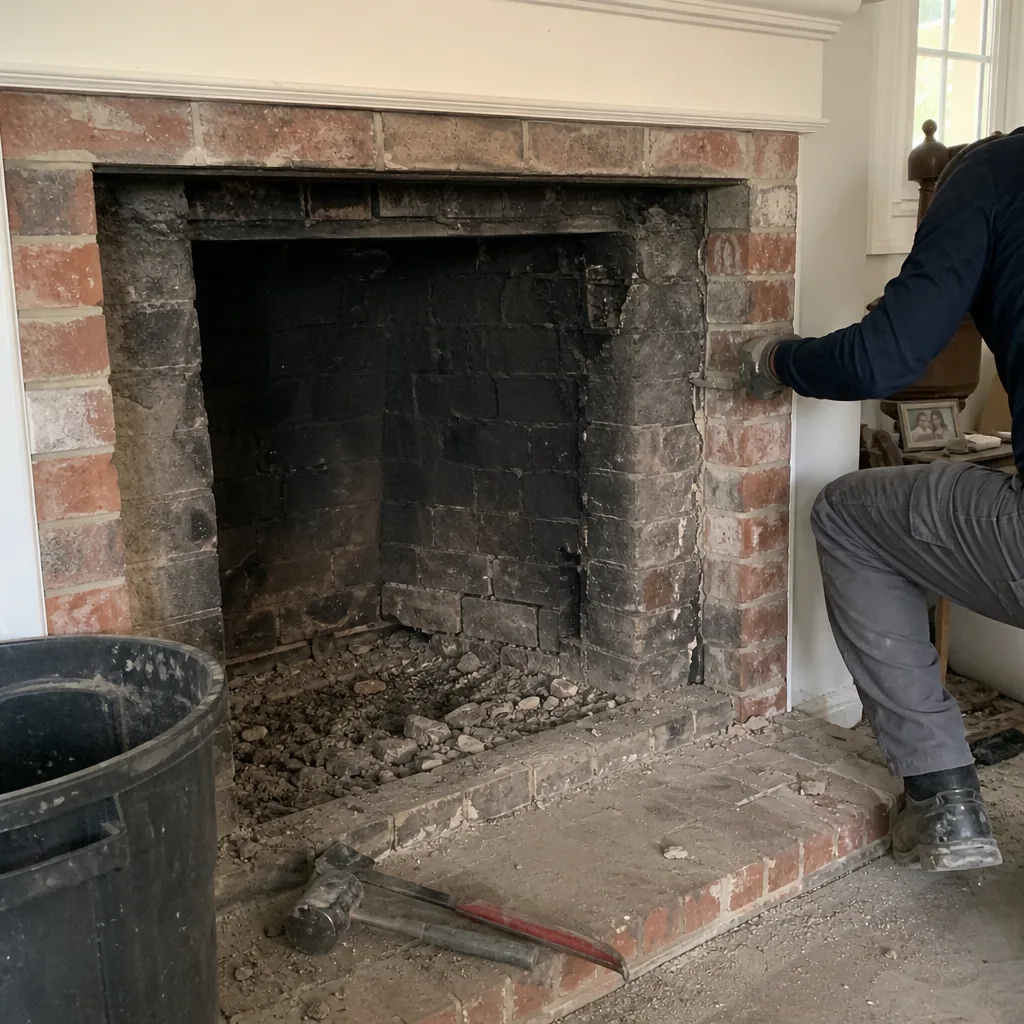 Before
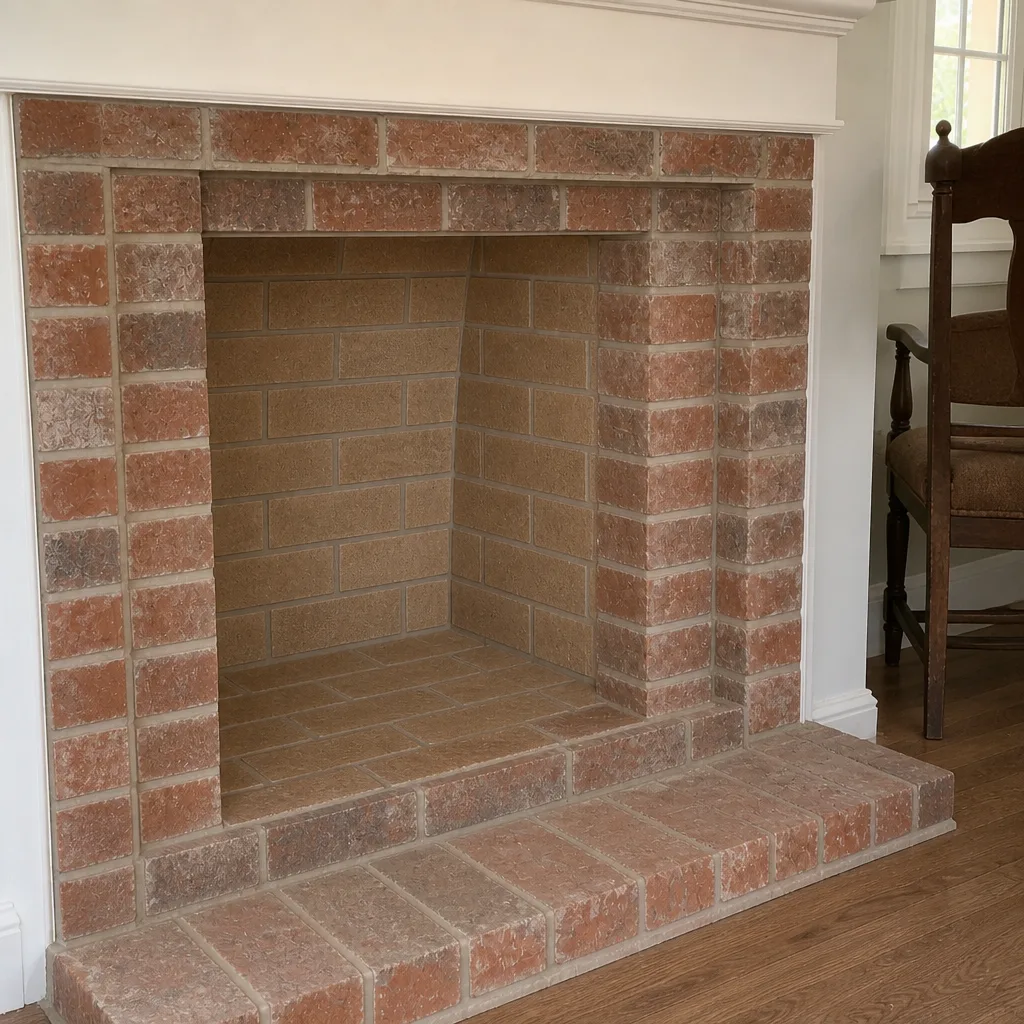 After
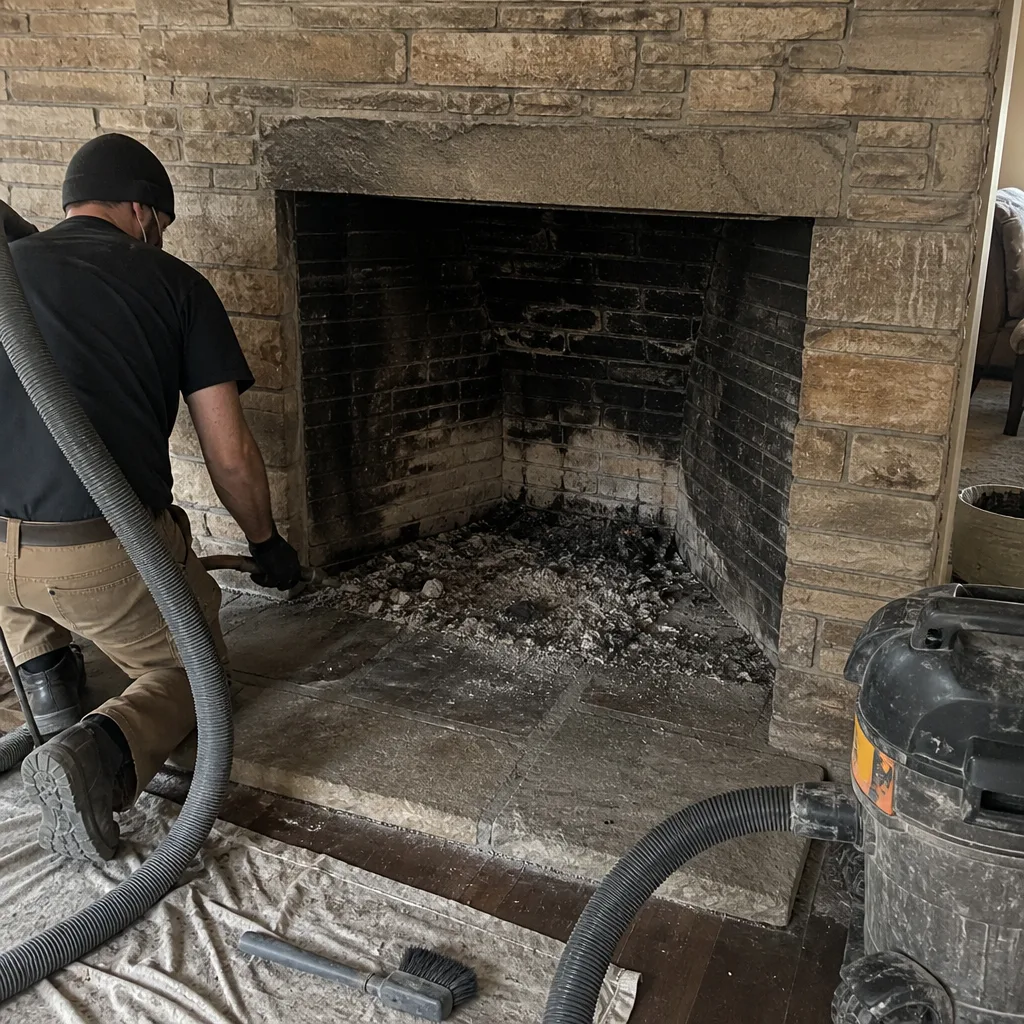 Before
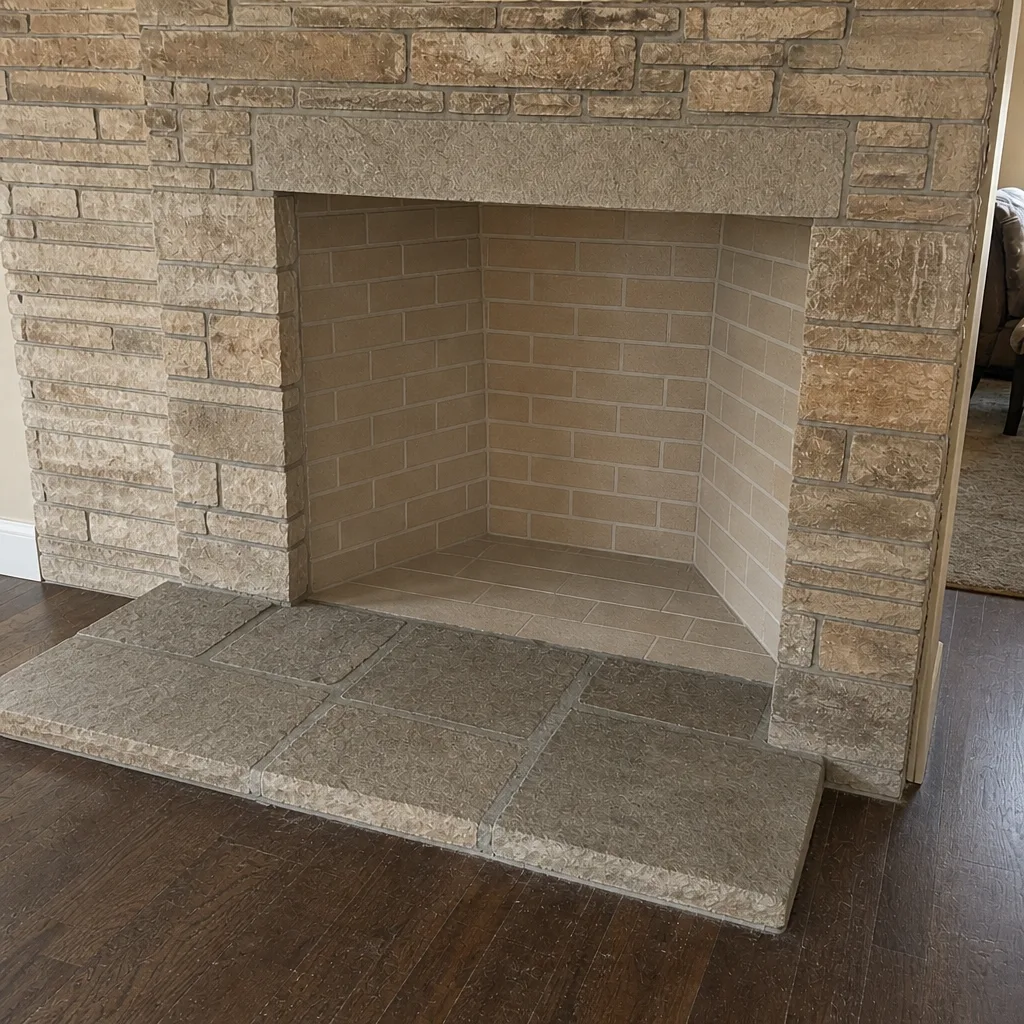 After
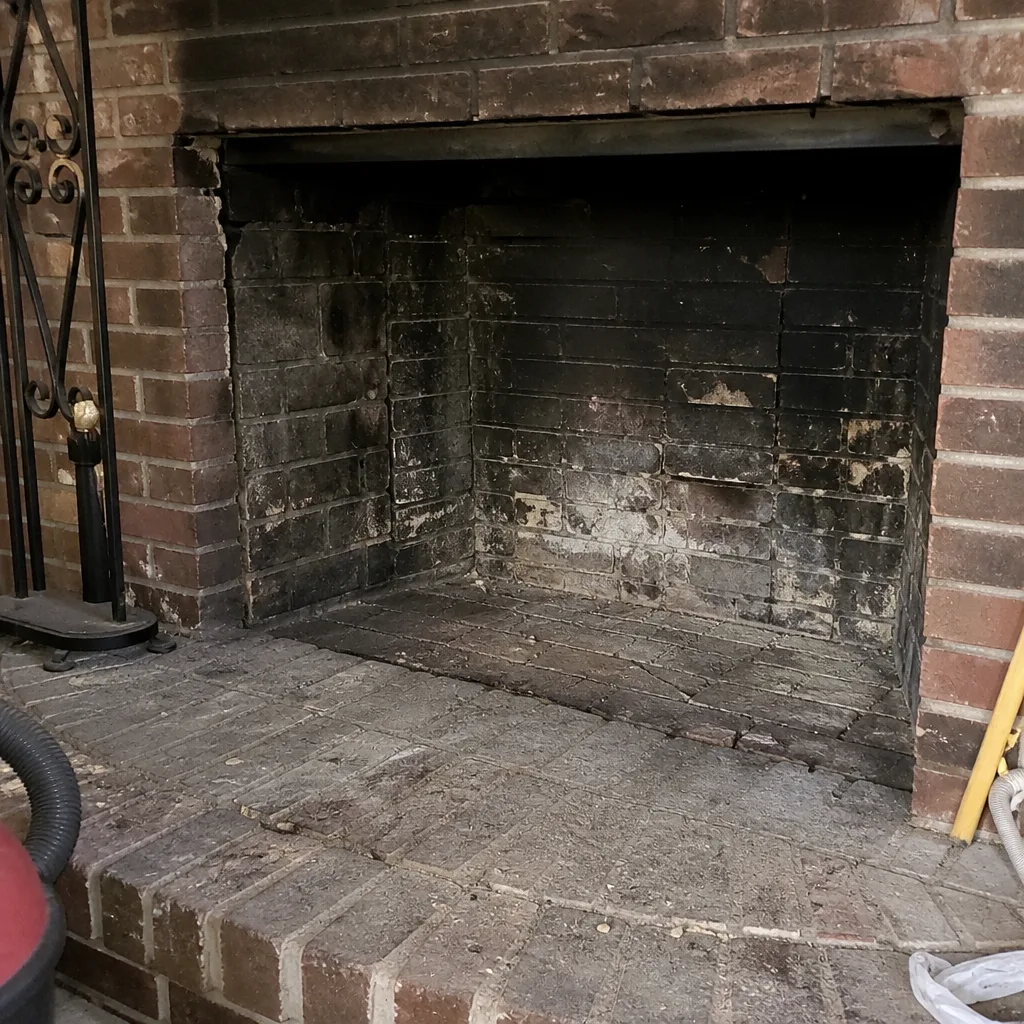 Before
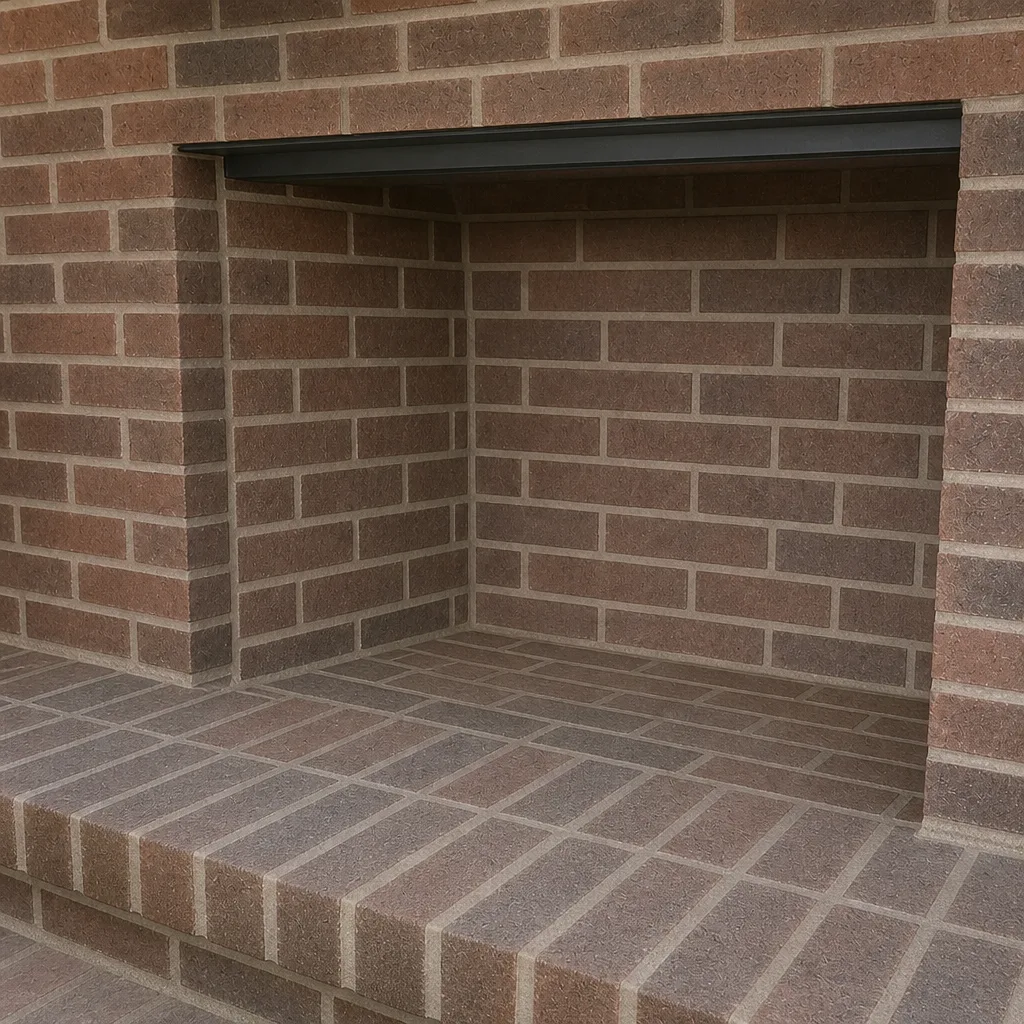 After
When to Call a Professional
Call a professional chimney sweep in Southeast Raleigh when the symptoms cross from observations into triggers: cap or crown damage you can see from the ground, spalling brick above the roofline, efflorescence that keeps returning, water staining inside the chimney chase, a draft that’s changed behavior, an acrid smell while burning, or a damper that won’t operate properly. Call before the next fire if any of those are present. If the chimney was swept last year and the exterior looks clean, the annual timing is enough. Chimney Sweep Southeast Raleigh offers free estimates in Southeast Raleigh – call (833) 513-8676. We answer 24/7, and dispatch runs 7am to 7pm, Sunday through Friday.
Frequently Asked Questions
Sweep a chimney once a year if you burn regularly, and get an inspection at the same time. If you burn only occasionally, the annual inspection still matters because the exterior cap and crown degrade on their own schedule regardless of how much you burn. Book the sweep and inspection before burning season opens in the fall.
A sweep cleans the flue and firebox. An inspection assesses the whole system – flue, cap, crown, masonry, damper – and tells you what condition it’s in. We offer inspection as a standalone service, so you can get the assessment without booking any other work. The two are often done together, but they’re different jobs.
Yes. A cracked crown routes water into the masonry and framing below, so it’s the highest-value repair to catch early. Cracks that are visible from the ground after a winter of freeze-thaw cycles are worth having checked before the next fall. Call (833) 513-8676 for a free estimate – the price is set per job by the written estimate.
Musty odor after rain means moisture is getting into the chimney somewhere. The most common entry points are the cap, the crown, and the flashing where the chimney meets the roof. A damp smell with no rain exposure can point to condensation or a liner problem. Either way, it’s worth having the system looked at.
Yes, brushing leaves and debris off the spark screen from the ground level is a maintenance item. Any work that requires getting on the roof should be left to a professional – steep roof and height work is one of the more dangerous parts of chimney maintenance, and cap fasteners that look fine from below can be loose in person.
Not always. Some liner damage can be repaired using HeatShield resurfacing, which restores the liner instead of replacing it. The decision should follow a camera inspection so you can see the condition for yourself. If replacement is the right call, a brand like DuraFlex is used so the new liner is sized and rated for the flue. Nothing is recommended without camera evidence you can see.
The Bottom Line
Chimney maintenance in Southeast Raleigh works best as a specific and timed practice rather than an annual checkbox. Watch the cap and crown after every freeze-thaw season, note draft and odor changes after every burn, and log what you observe so your technician starts with useful history. Keep the annual sweep on the calendar and book it in late summer – before the fall rush and before the first fire. Know where the line sits between a maintenance item and a professional trigger, and take the triggers seriously. If any of them show up on your walkaround this year, call (833) 513-8676 for a free estimate. We answer 24/7, and our team can book a chimney sweep on the next opening, Sunday through Friday, 7am to 7pm, with dispatch running from 7am to 7pm.
Written by the team at Chimney Sweep Southeast Raleigh.