
Last updated November 23, 2026
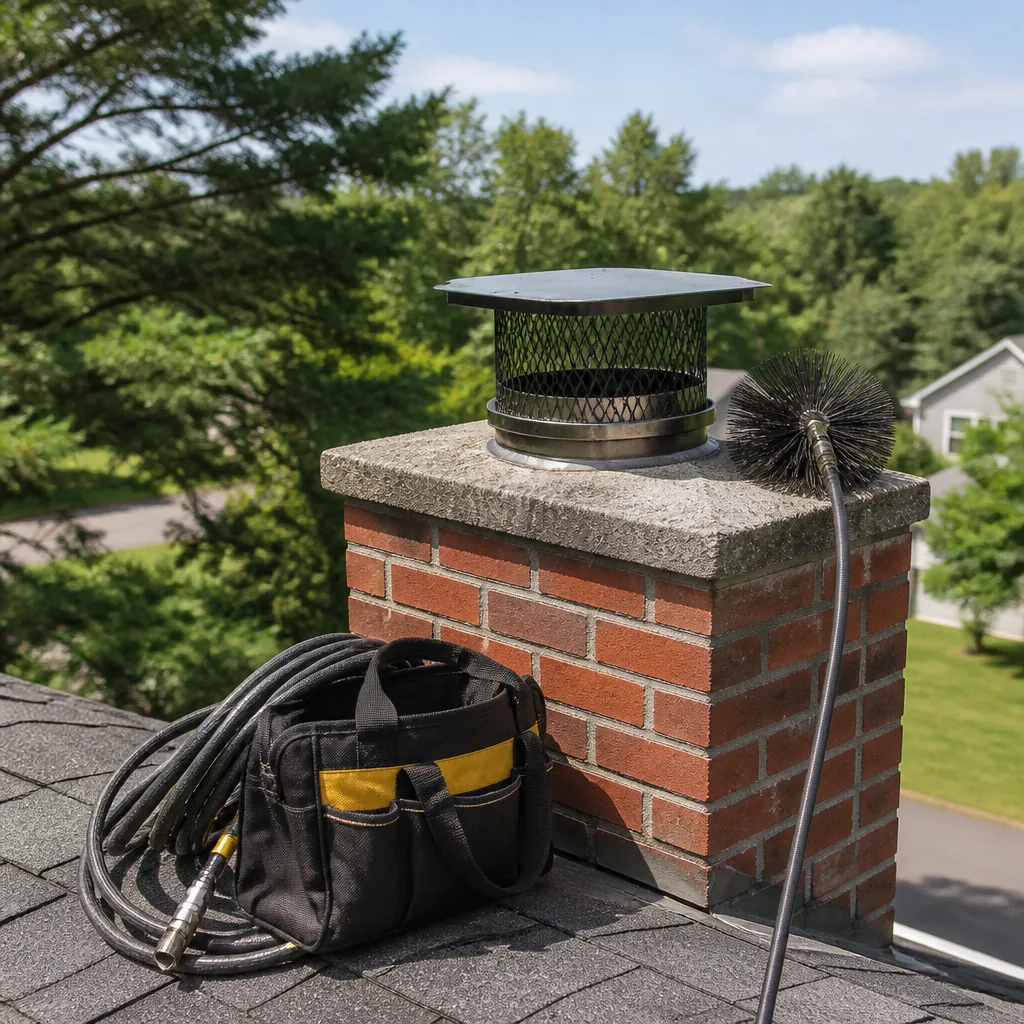 Sweep & inspection
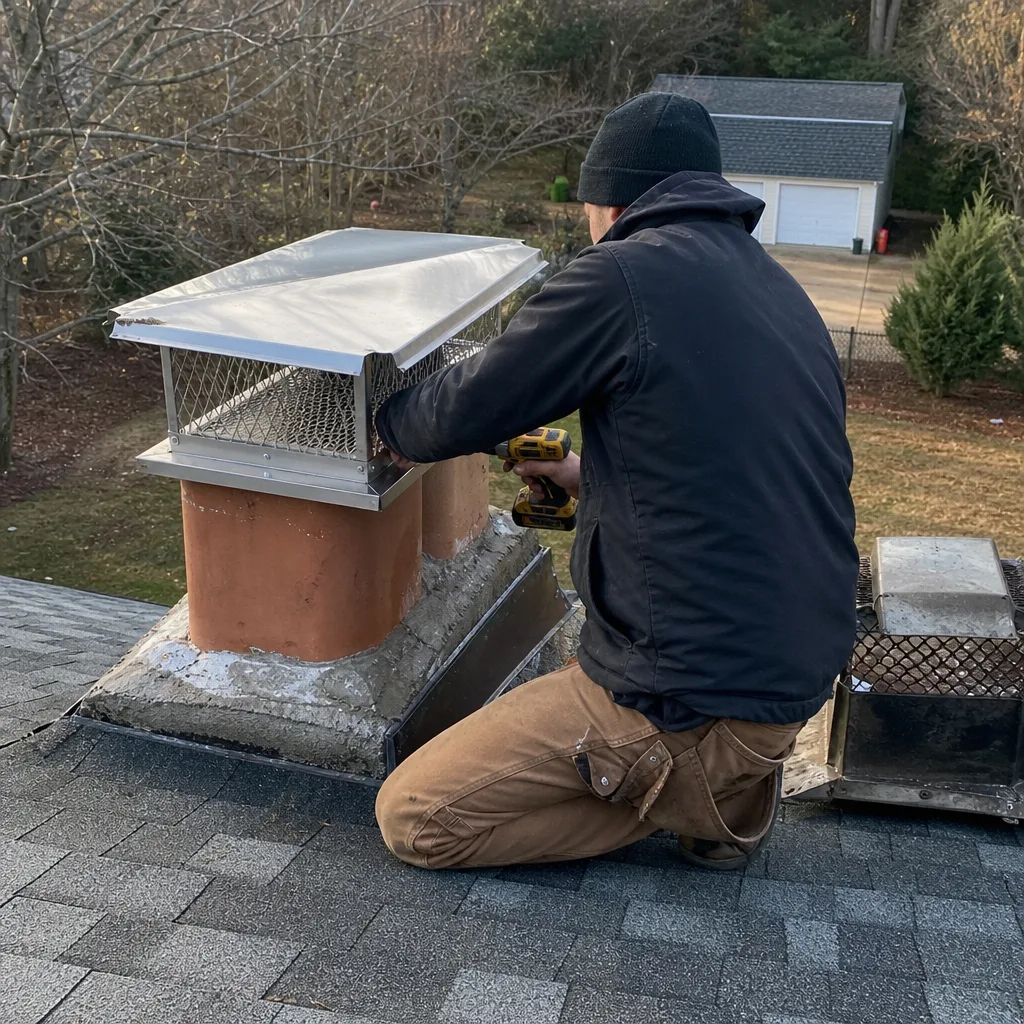
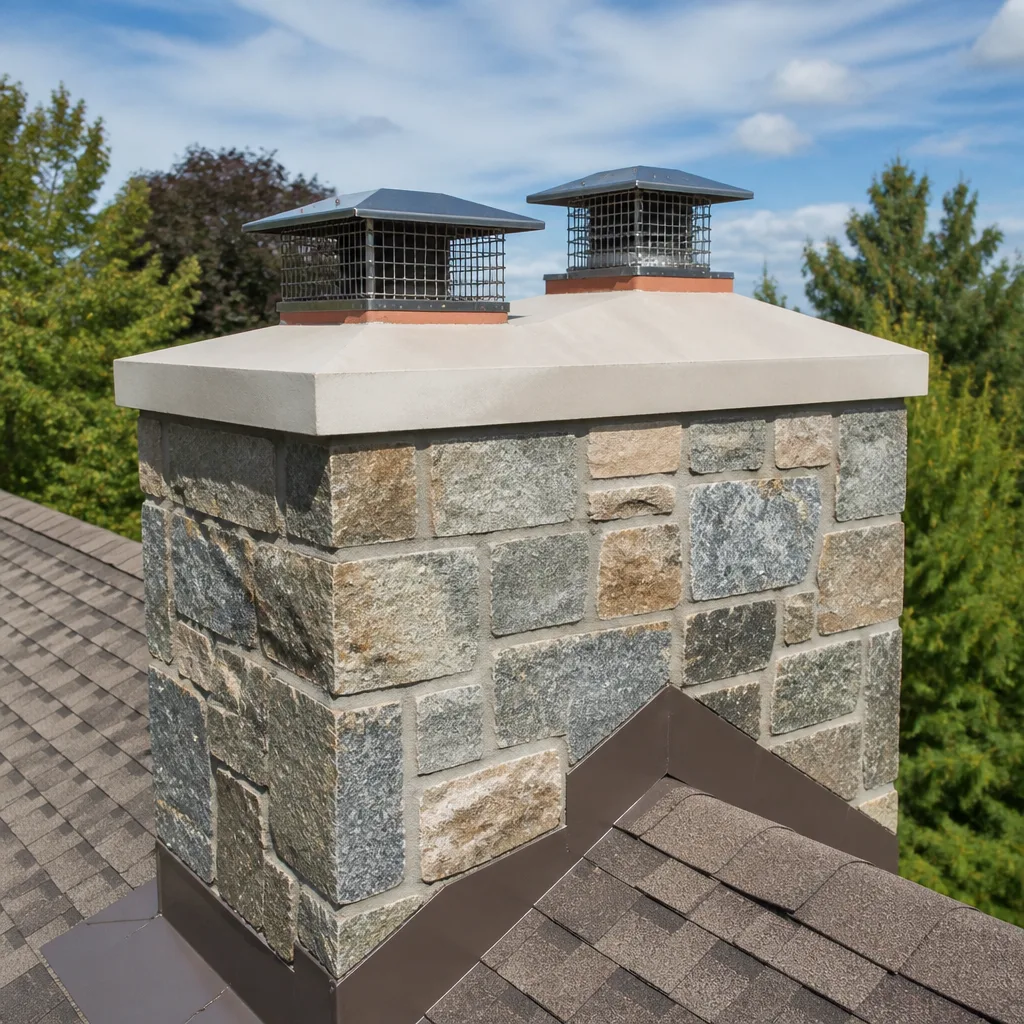 Caps & crowns
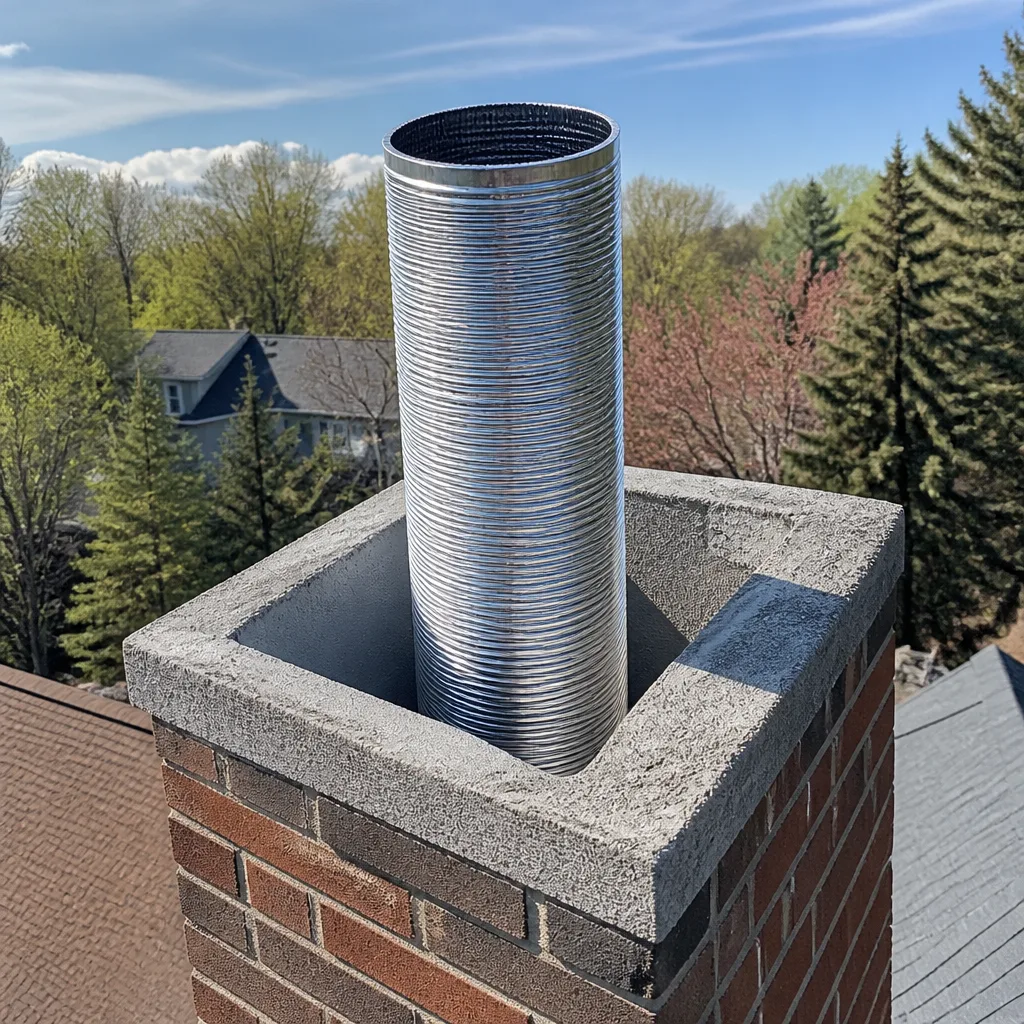 Flue relining
 Masonry repair
 Gas fireplace service
Level 1 sweep and inspection to the NFPA 211 annual standard - flue, crown, cap, and flashing checked and photographed
Chimney sweep logs do not sweep chimneys. They loosen some creosote - which then falls where a brush and vacuum still have to collect it.
Chimney Cleaning Emergency Preparedness Guide for Southeast Raleigh Homes
A chimney fire doesn’t always announce itself with a roar. Sometimes it’s a low crackling that sounds like the fire is breathing, a faint pressure change in the room, or smoke curling from a joint you’ve never noticed before. By the time it’s obvious, the liner is often already compromised. Most homeowners in Southeast Raleigh have a fire extinguisher under the sink, a flashlight in a drawer, and no plan at all for the three chimney emergencies that actually happen: an active flue fire, a carbon monoxide event, and storm damage to the chimney top. This guide gives you a real protocol for each, plus the checks that prevent them. You’ll learn what to do in the first sixty seconds, what to never do, and how to document damage so your insurer takes you seriously.
Quick Answer
If you suspect a chimney fire, close the damper and all air controls, get everyone out of the house, and call 911 from outside. If a carbon monoxide alarm sounds, leave immediately and call 911, then have the chimney and appliance inspected before lighting another fire. After any high-wind or ice event, check the cap and crown from the ground before burning again, and book a Level 2 inspection if anything looks shifted, cracked, or missing.
Styles & brands we work with
- Sweep & inspection
- Caps & crowns
- Flue relining
- Masonry repair
- Gas fireplace service
Table of Contents
- Why Southeast Raleigh Homes Face Specific Chimney Risks
- How Do You Identify an Active Chimney Fire?
- The Three-Step Response to a Chimney Fire
- Carbon Monoxide and Backdraft: The First-Burn Risk
- Post-Storm Chimney Protocol for Southeast Raleigh
- What NOT to Do in a Chimney Emergency
- How to Document Damage and What a Level 2 Inspection Covers
- Prevention: The Prep Work That Makes Emergencies Rare
Why Southeast Raleigh Homes Face Specific Chimney Risks
Southeast Raleigh sits in a climate that swings hard between humid summers and cold snaps that arrive fast. That pattern matters to a chimney. Long humid stretches let moisture work into masonry, crowns, and mortar joints, and the first hard freeze of the season expands whatever water has collected. Older homes throughout Southeast Raleigh, particularly the brick ranches and mid-century houses in neighborhoods like Kingwood Forest and the streets around Poole Road, often have original masonry chimneys with clay tile liners that have already absorbed decades of this cycle. Newer construction near the southeast edge of the city is more likely to have factory-built fireplaces with metal liners, which behave differently in a fire but still depend on a sound cap and a clear flue.
The other factor is how Southeast Raleigh homes actually use their fireplaces. A fireplace that sits idle from spring through fall builds up a layer of creosote that never gets hot enough to burn off gradually. The first fire of the season is when that accumulated creosote meets its first real heat, which is exactly when flue fires and carbon monoxide events cluster. This is why our advice throughout this guide keeps returning to the same point: the most important emergency preparation happens before the emergency, in the weeks before you light the first fire of the year.
Our technicians have up to 13 years of experience, and the pattern we see in Southeast Raleigh is consistent. Homes that get a routine chimney sweep before burning season rarely have emergencies. Homes that skip a few years are the ones that call us after something has already happened.
How Do You Identify an Active Chimney Fire?
Chimney fires come in two forms, and only one is loud. A free-burning flue fire produces the roar most people picture, often described as sounding like a low-flying plane or a freight train. A slow-burning fire is quieter and far more common. It sounds like crackling, popping, or a low rumble, and it can burn for a long time without the homeowner realizing anything is wrong. Both forms damage the liner, and the slow one often does more damage because it goes unnoticed.
Here’s what to watch for, inside and out:
- Sound: crackling, popping, a rumbling or roaring noise from the flue, or a sound like distant thunder inside the chimney.
- Smoke behavior: puffs of smoke escaping from the top of the chimney rather than a steady plume, or smoke backing into the room despite an open damper.
- Heat and pressure: the stovepipe, damper handle, or surround feels unusually hot, or you notice a pressure change in the room, sometimes described as the fire pulling air hard.
- Exterior signs: flames or sparks visible at the chimney top, dark smoke, or creosote flakes and ash on the roof or ground near the chimney.
- Smell: a hot, acrid, tar-like smell that’s stronger than normal wood smoke.
If you notice any of these, treat it as real. You don’t need to confirm it before acting. A false alarm costs you one call to 911 and a chimney inspection. A missed fire can cost the house. The same instinct applies to fireplace repair issues that show up as smoke, odor, or heat where it shouldn’t be.
The Three-Step Response to a Chimney Fire
The correct response to a suspected chimney fire is short enough to memorize. It works whether the fire is roaring or just crackling, and it works whether you’re certain or just worried.
- Close the damper and every air supply. Shut the damper, close the glass doors, and close any stove air controls. A fire needs oxygen. Starving it slows it down while you get out. Don’t open the damper wider to “let the smoke out” – that feeds the fire and pushes more heat into the liner.
- Get everyone out and call 911. Leave the house, take everyone with you, and call 911 from outside. Tell the dispatcher it’s a chimney fire. Don’t go back in for belongings. Don’t climb onto the roof to look down the flue.
- Stay out until the fire department clears the house. Once they’ve confirmed the fire is out, don’t light another fire until a chimney professional has inspected the flue. A fire that looks extinguished can leave cracked tiles or a warped liner that lets heat and carbon monoxide into the structure the next time you burn.
That’s the whole protocol. The reason we spell it out is that in the moment, most people do the opposite: they open the damper, they add water, they go outside to look at the roof. Each of those makes things worse, and we cover why in the mistakes section below.
Carbon Monoxide and Backdraft: The First-Burn Risk
Carbon monoxide events in Southeast Raleigh tend to cluster in the first weeks of burning season, right after a fireplace or wood stove has sat idle through the humid months. A flue that’s been closed up all summer can collect debris, nests, and moisture. When the first fire is lit, the flue doesn’t draft properly, and combustion gases that should go up the chimney come back into the room instead. That’s backdraft, and it’s the mechanism behind most CO events tied to fireplaces. A blocked or partially blocked flue does the same thing even when the chimney isn’t cold.
If a carbon monoxide alarm sounds while a fire is burning, or shortly after, the response is not negotiable:
- Get everyone, including pets, outside immediately. Don’t stop to open windows or find the source.
- Call 911 from outside. Tell them a CO alarm has activated and whether anyone has symptoms: headache, dizziness, nausea, confusion, or drowsiness.
- Don’t re-enter until the fire department says it’s safe.
- Before using the fireplace or appliance again, have the chimney and the appliance inspected. The inspection needs to find the actual cause, not just confirm the alarm went quiet.
One detail worth knowing: a CO alarm can trigger at low levels from a draft problem that never produces a visible symptom in the people in the room. Treat any activation as a real event. The appliance that caused it doesn’t get a second chance to prove itself without an inspection.
Post-Storm Chimney Protocol for Southeast Raleigh
Southeast Raleigh gets its share of high-wind events, summer thunderstorms, and the occasional ice storm that loads up tree limbs and chimney tops. The chimney takes the hit first because it’s the highest thing on most of these houses, and the parts that fail are predictable: the cap, the crown, and the flashing where the chimney meets the roof. A displaced cap is the worst of the three because it opens the flue to rain, debris, and animals, and once a raccoon or a nest occupies the flue, you’ve got a blockage that causes a CO event the next time you light a fire.
After a storm, check these from the ground before you burn again:
- Cap displacement: is the cap sitting straight, or is it tilted, missing, or visibly loose? Look for it on the roof or ground nearby.
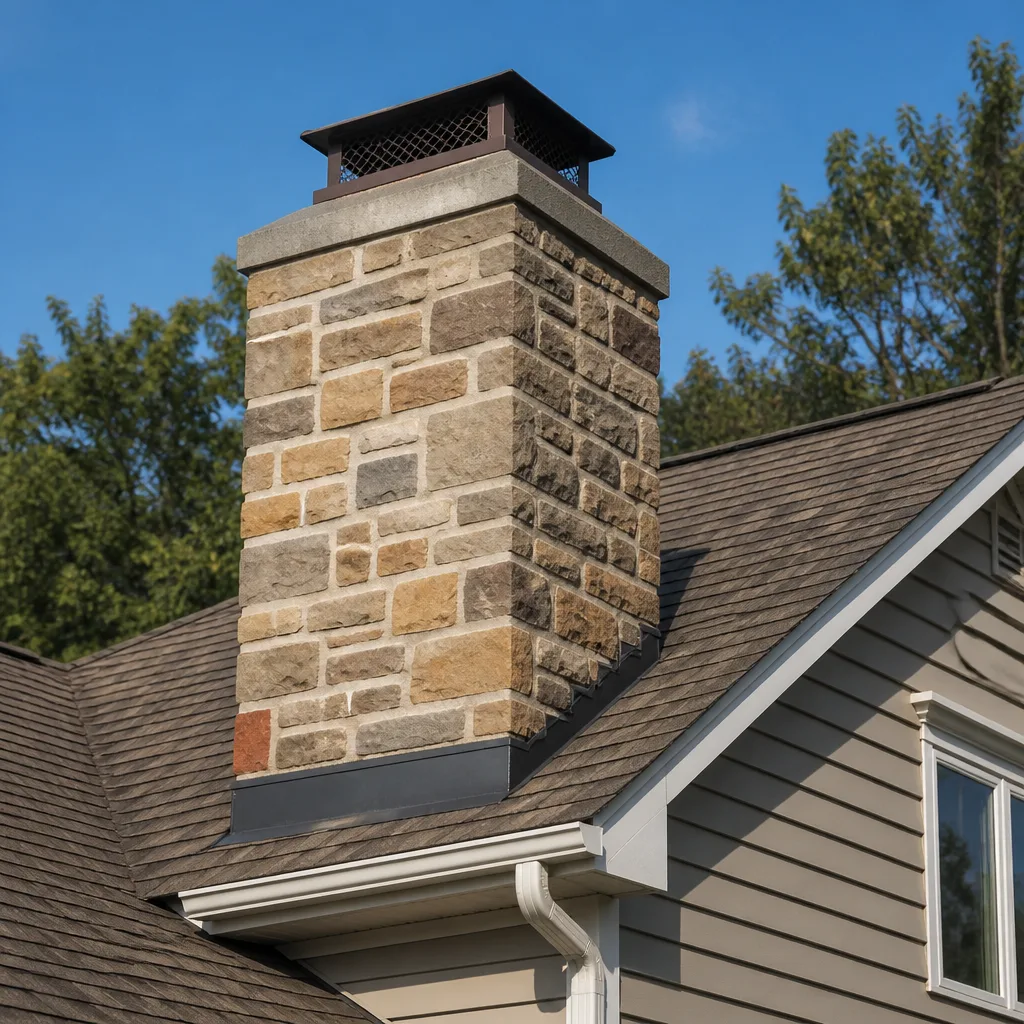
- Crown cracking: the concrete crown at the top of the chimney should shed water away from the flue. Cracks, spalling, or a crown that’s pulling away from the flue are water intrusion waiting to happen.
- Flashing: the metal where the chimney passes through the roof should be tight and sealed. Lifted or torn flashing leads to leaks into the attic and ceiling.
- Animal intrusion: a missing cap invites birds, squirrels, and raccoons. Listen for scratching or chattering from the flue after a storm.
- Masonry movement: leaning, stepped cracks in the brick, or a chimney that looks off-plumb from the street.
If anything looks off, don’t light a fire until it’s been checked. In our experience, the post-storm call is one of the most common reasons a Southeast Raleigh homeowner books a chimney cap & crown service, because those are the two parts that storm damage hits first and the two that protect everything below them.
What NOT to Do in a Chimney Emergency
Most of the damage we see after a chimney event isn’t from the fire itself. It’s from what the homeowner did in the first few minutes. These are the mistakes that turn a contained flue fire into a structural repair.
- Don’t open the damper wider during a fire. It’s counterintuitive, but the instinct to “let the smoke out” feeds oxygen to the fire and drives more heat into the liner. Close it down instead.
- Don’t pour water on a masonry firebox. The thermal shock can crack firebrick and mortar, and the steam and pressure can push smoke and heat back into the room. Leave the extinguishing to the fire department.
- Don’t climb on the roof during a chimney fire or right after a storm. Roofs are slippery, chimneys are hot, and looking down an active flue is dangerous. Stay on the ground.
- Don’t relight the fireplace the same day, even if it looks fine. A cracked tile or warped liner isn’t visible from the firebox, and the next fire will find it.
- Don’t ignore a CO alarm that goes quiet on its own. A silent alarm after a real event is not an all-clear. It’s an unfinished inspection.
- Don’t assume a factory-built fireplace is immune. Metal liners warp and separate at the joints after a flue fire, and that gap is a direct path for heat and gases into the structure.
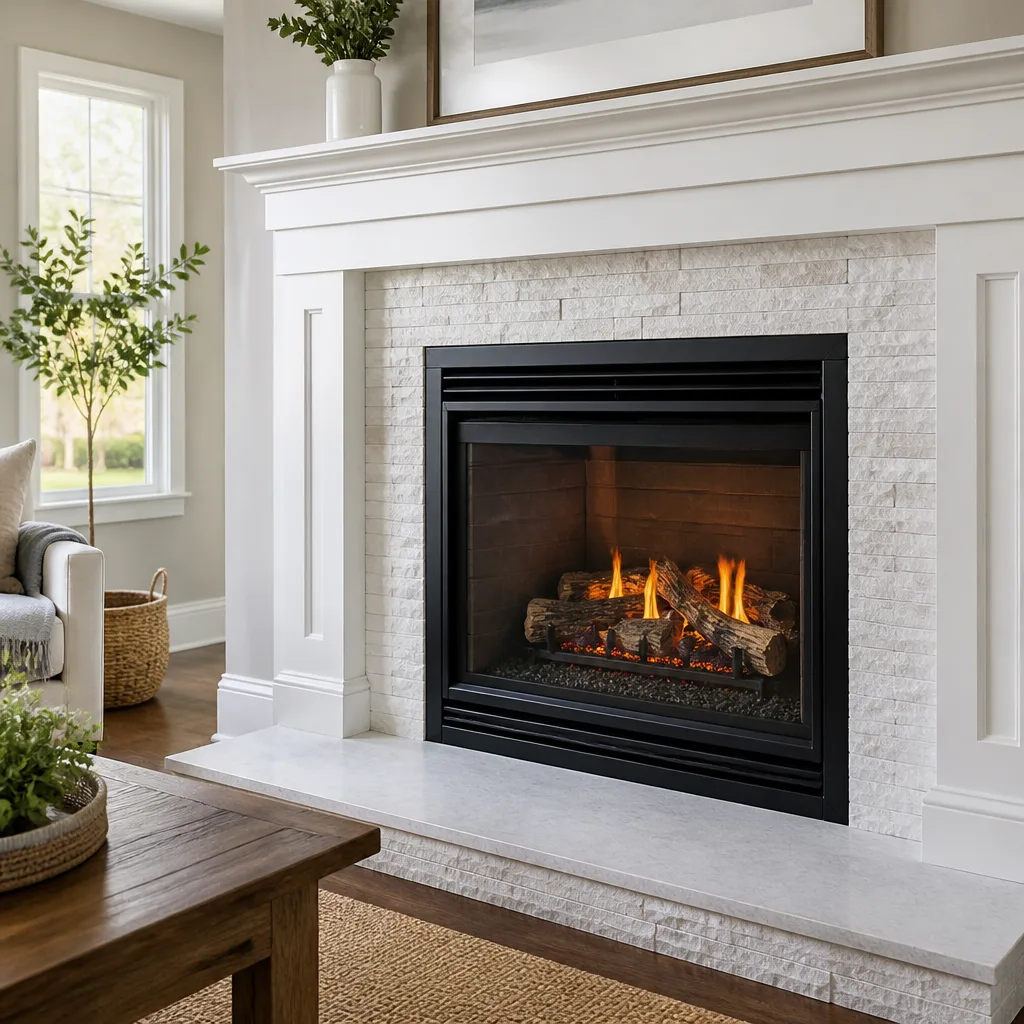
A gas fireplace doesn’t escape this list either. Gas logs and inserts can produce CO if the venting is blocked, and a storm-displaced cap affects a gas flue the same way it affects wood.
How to Document Damage and What a Level 2 Inspection Covers
If a chimney fire, a CO event, or a storm has damaged your chimney, documentation is what turns a claim into a covered repair. Do these things in order:
- Photograph everything from the ground: the chimney top, the roofline, the firebox, the damper, and any smoke staining on walls or the surround. Take wide shots and close-ups.
- Keep the fire department report and any CO alarm records, including the date and time the alarm activated.
- Don’t clean up or repair anything before your insurer has seen the photos or sent an adjuster.
- Get a written inspection report from a chimney professional before the claim is settled, not after.
A post-emergency inspection is a Level 2 inspection. It covers everything a basic visual check does, plus the parts you can’t see from the ground or the firebox: the full length of the flue, the liner joints, the smoke chamber, and the connections to the appliance. It’s done with a camera, and the findings should be documented with photos you can look at yourself. A Level 2 inspection is required before the chimney goes back into service after a fire, a CO event, a storm, or a change in appliance. It’s also the inspection that tells you whether the damage is a repair or a replacement, and it should never be presented as a sales step.
Not every finding needs immediate work. We tell homeowners plainly when a repair can wait, and the inspection report is what lets you make that call instead of guessing. If the liner does need work, we use systems like HeatShield for resurfacing where the existing liner is sound enough to repair, and DuraFlex for relining where it isn’t. Both are professional-grade products chosen because they’re appropriate to the job, not because they’re the only option we carry.
Prevention: The Prep Work That Makes Emergencies Rare
Chimney emergencies are rare in homes that get swept and inspected before burning season, and common in homes that don’t. The prep work is not complicated, and it takes less time than most people expect.
- Book a sweep before the first fire. A professional sweep removes the creosote load that fuels flue fires and gives the technician a look at the liner at the same time.
- Get the cap and crown checked. Water intrusion is the leading cause of chimney deterioration, and the cap and crown are where it starts. A sound cap keeps rain, debris, and animals out of the flue.
- Test your CO detectors and replace the batteries. A working alarm is the only warning you get for a CO event that produces no visible smoke.
- Have the flue inspected after any event. A fire, a CO alarm, or a storm is the trigger for a Level 2 inspection before the next burn.
- Keep the area around the firebox clear and store wood away from the house. Creosote buildup and stored fuel near the structure both add risk you can remove in an afternoon.
If you want an honest assessment before burning season, we offer a standalone inspection with no service purchase required. That means you can find out what condition the chimney is in before you commit to anything, which is the whole point. You can start with a Chimney Sweep Southeast Raleigh visit and we’ll tell you what the flue actually looks like.
Common Mistakes to Avoid
- Treating the first fire of the season as a test run. Southeast Raleigh’s humid summers leave flues full of debris and creosote that the first fire stirs up. Get the sweep done first, not after.
- Opening the damper to clear smoke during a fire. It feeds oxygen to the fire and pushes heat into the liner. Close it instead and get out.
- Using water on a masonry firebox. Thermal shock cracks firebrick and mortar. Leave extinguishing to the fire department.
- Relighting after a fire because “it looks fine.” Cracked tiles and warped liners hide behind the firebox. A Level 2 inspection is the only way to know.
- Ignoring a CO alarm that stops on its own. A quiet alarm after a real event is an unfinished inspection, not an all-clear.
- Skipping the post-storm check. A displaced cap or a cracked crown after a wind event is water intrusion and animal access waiting to happen.
- Assuming a gas fireplace can’t produce CO. A blocked vent on a gas log set is the same hazard as a blocked wood flue.
See the difference
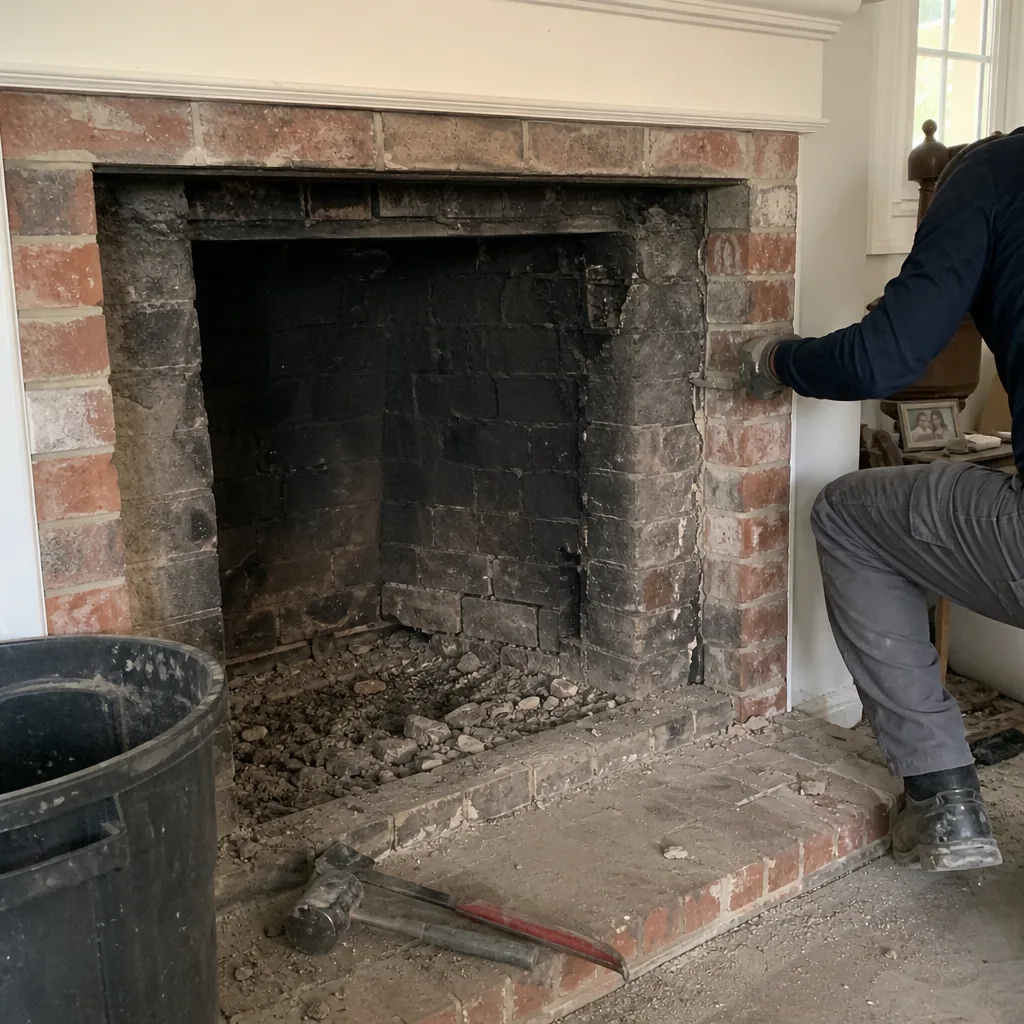 Before
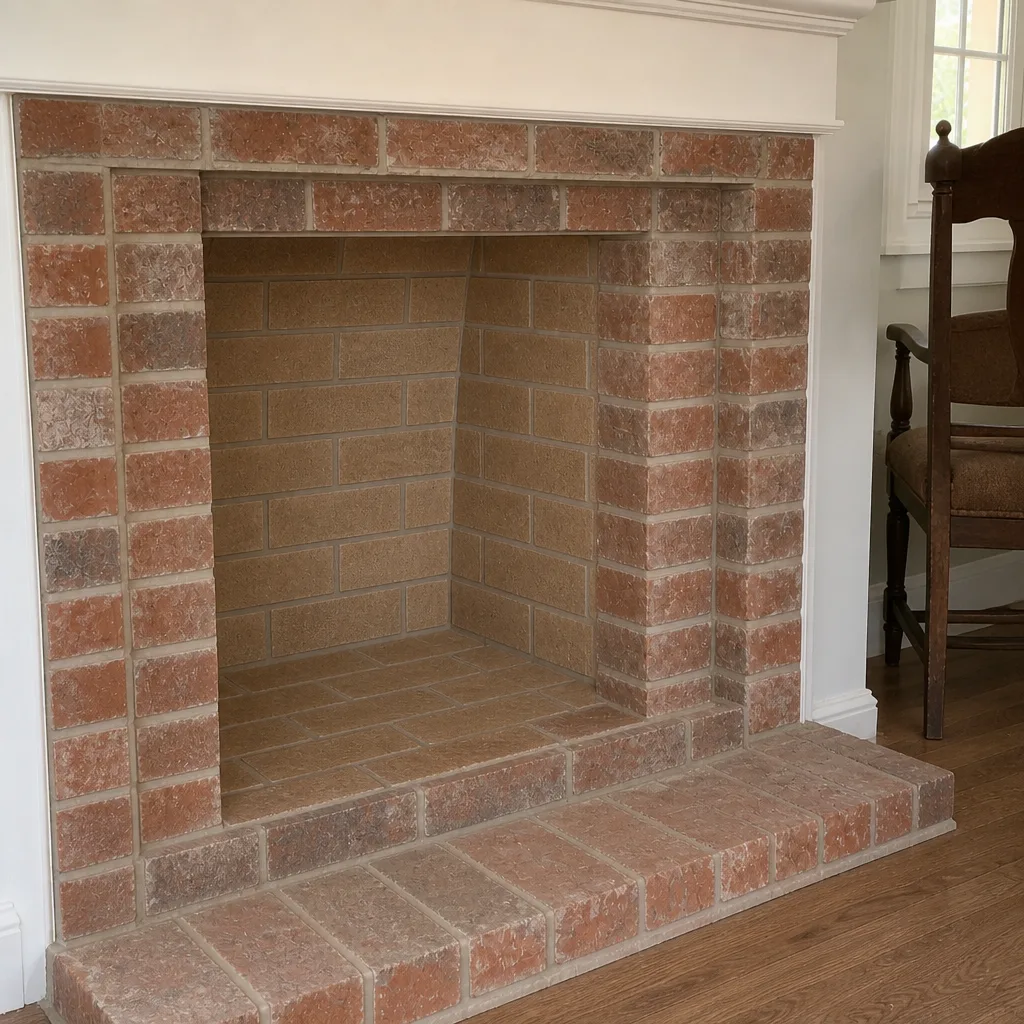 After
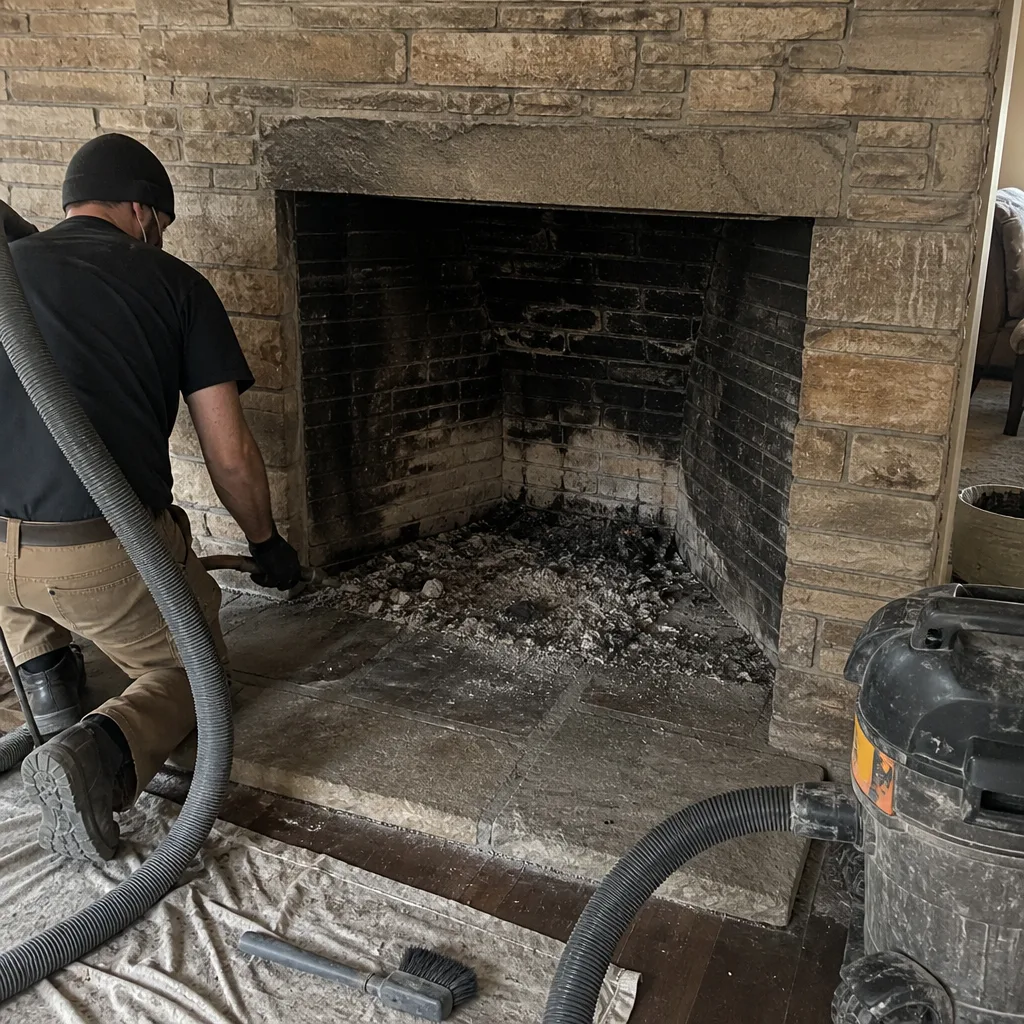 Before
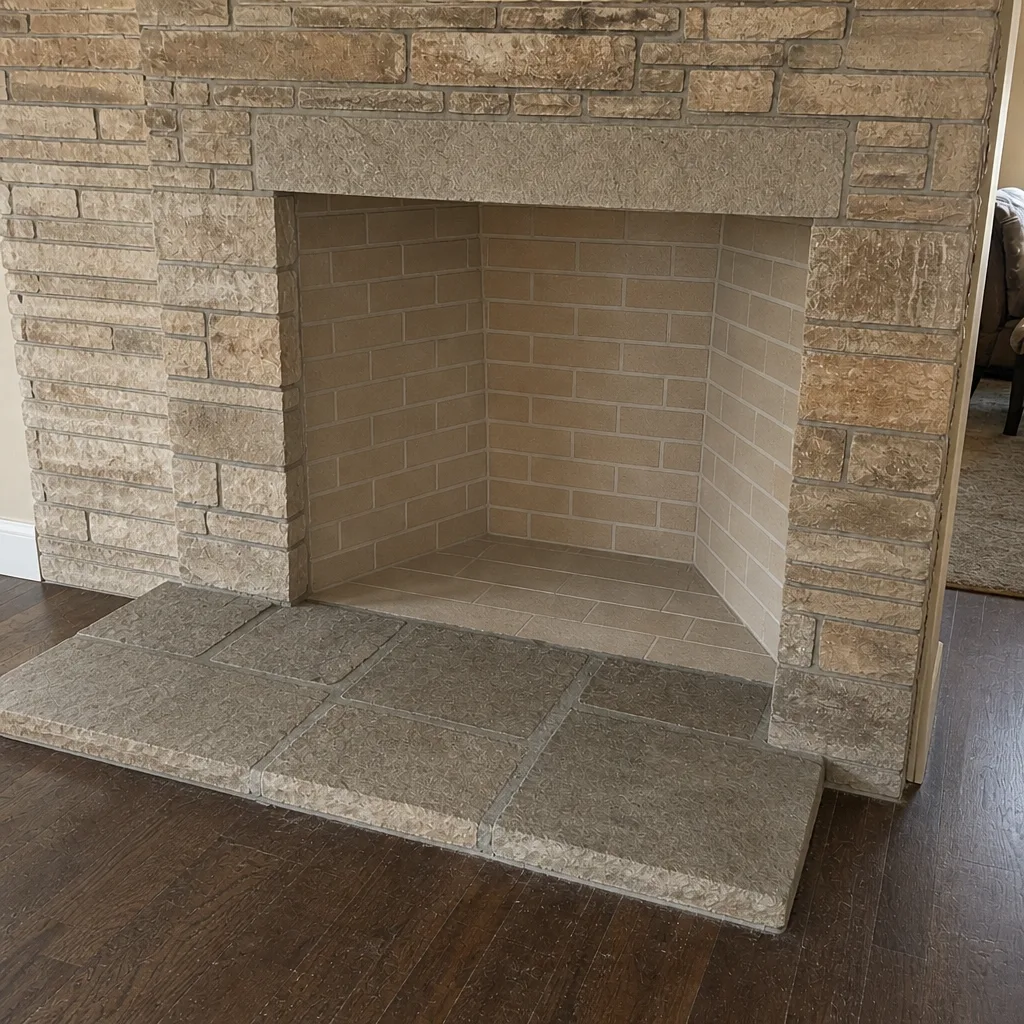 After
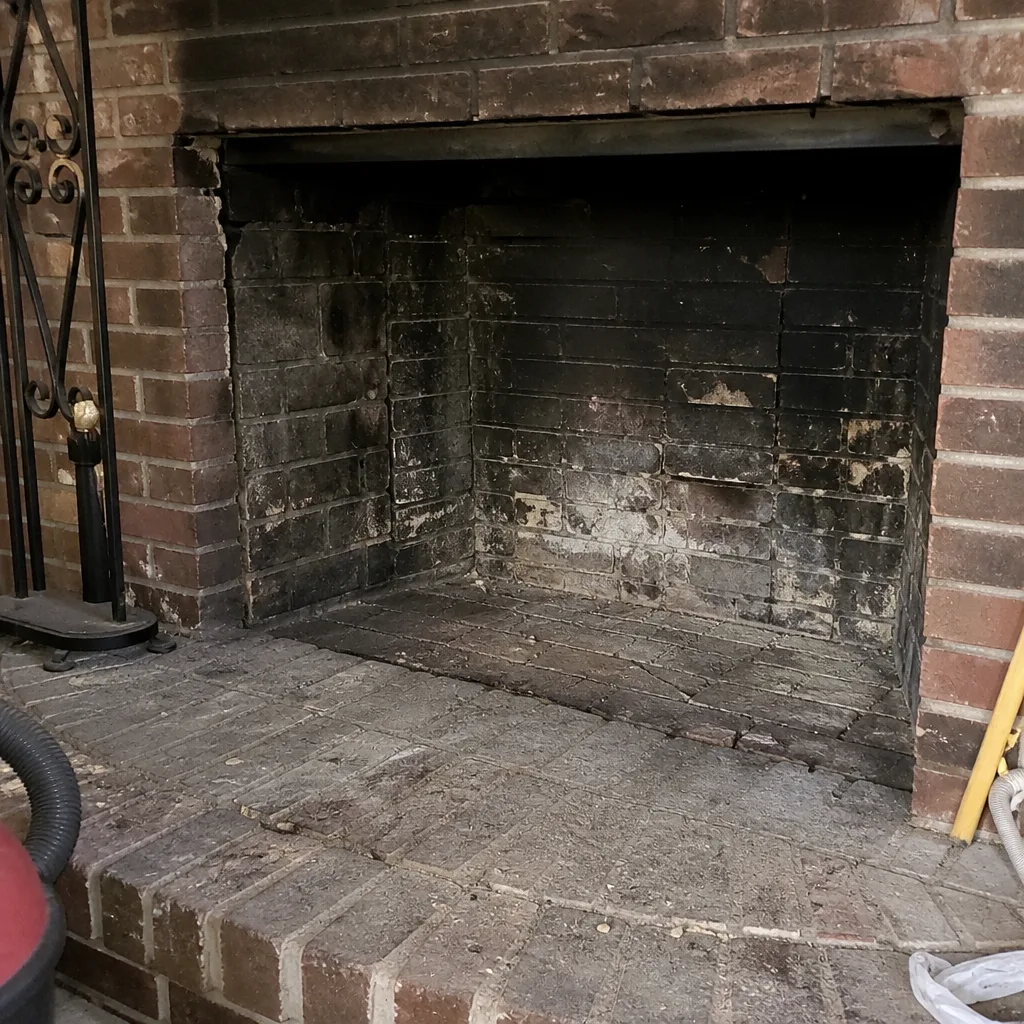 Before
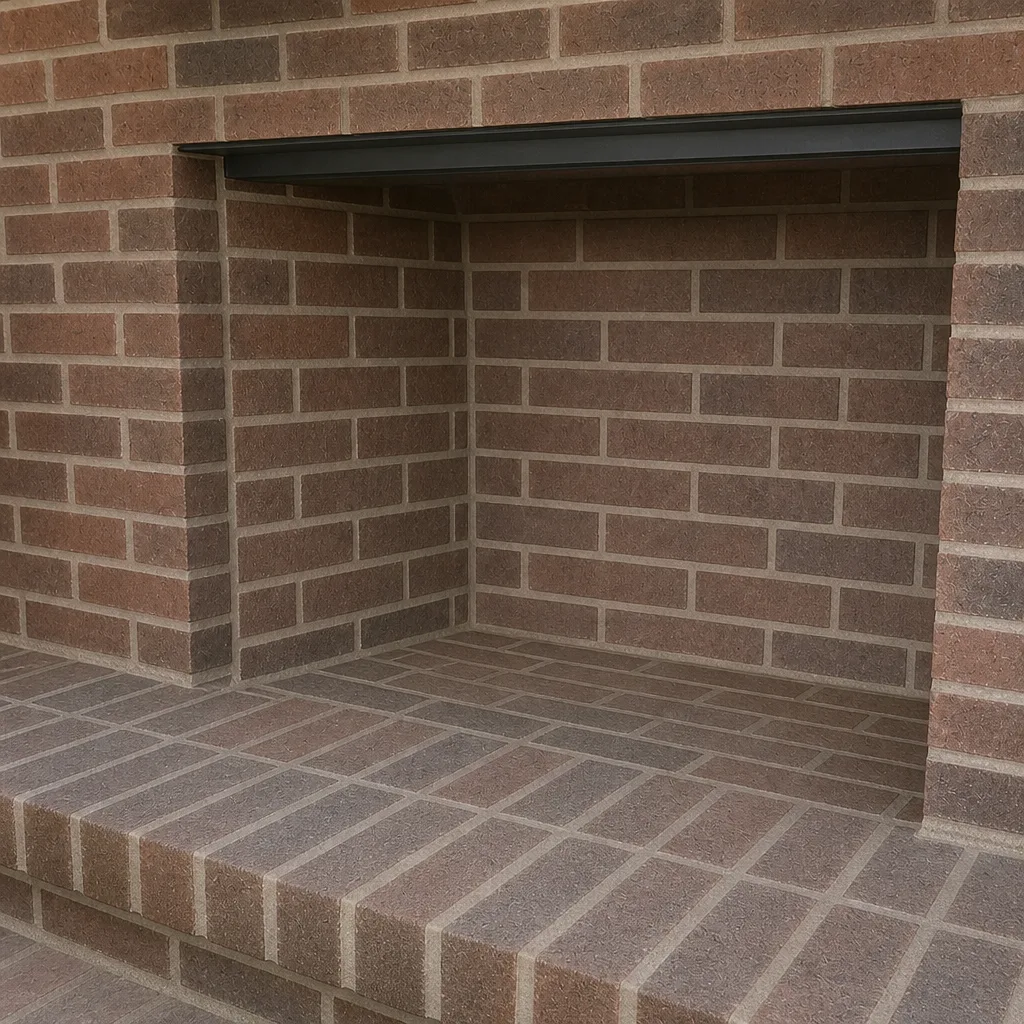 After
When to Call a Professional
Call a chimney professional after any suspected flue fire, any carbon monoxide alarm that activates while or after a fire is burning, any storm event that moves or damages the chimney top, and any time you notice smoke backing into the room, a hot smell, or animal noise from the flue. Call before the first fire of the season if the chimney hasn’t been swept in a year, and call before relighting after any of the above. A Level 2 inspection is what tells you whether the chimney is safe to use, and it should come with photos you can review. Chimney Sweep Southeast Raleigh offers free estimates in Southeast Raleigh. Call (833) 513-8676. We answer 24/7, with fast dispatch from 7am to 7pm, Sunday through Friday.
Frequently Asked Questions
Close the damper and all air controls, get everyone out of the house, and call 911 from outside. Don’t open the damper to clear smoke, don’t pour water on the fire, and don’t go onto the roof. Stay out until the fire department clears the house, then book an inspection before you burn again. Call (833) 513-8676 for a free estimate on the follow-up inspection.
A real flue fire usually sounds like crackling, popping, rumbling, or a low roar that’s louder than the firebox, often with a pressure change in the room or smoke backing in despite an open damper. Visible flames or sparks at the chimney top, creosote flakes on the roof, or a hot tar smell are strong indicators. If you’re unsure, treat it as real and call 911. A false alarm costs one call; a missed fire can cost the house. Call (833) 513-8676 afterward to schedule the inspection.
A CO alarm during or after a fire usually means the flue isn’t drafting properly, often because of debris, a nest, a displaced cap, or a partially blocked flue that built up over the idle season. Get everyone outside and call 911 first, then have the chimney and appliance inspected before you light another fire. In Southeast Raleigh we see this most often on the first burn of the season. Call (833) 513-8676 to book the inspection.
From the ground, check whether the cap is straight and in place, whether the crown is cracked or pulling away from the flue, whether the flashing is tight at the roof, and whether there’s animal noise or scratching from the flue. Also look for leaning brick or stepped cracks in the masonry. If anything looks off, don’t burn until it’s been inspected. Call (833) 513-8676 for a free estimate.
A Level 2 inspection is the only one that shows the full length of the flue, the liner joints, and the smoke chamber with a camera, so it’s the only way to confirm the liner wasn’t cracked or warped. Damage that isn’t visible from the firebox lets heat and carbon monoxide into the structure on the next fire. The report should include photos you can review yourself. Call (833) 513-8676 to schedule one.
Photograph the chimney top, roofline, firebox, damper, and any smoke staining from the ground, keep the fire department report and CO alarm records, and don’t repair or clean anything before your insurer has seen the photos or sent an adjuster. Get a written inspection report before the claim is settled. We can provide that report with photos so you have documentation your insurer can use. Call (833) 513-8676 for a free estimate.
The Bottom Line
Chimney emergencies in Southeast Raleigh come down to three scenarios, and each has a short, memorizable response. A flue fire means close the damper, get out, and call 911. A CO alarm means get out, call 911, and don’t relight until the chimney and appliance have been inspected. Storm damage means check the cap, crown, flashing, and masonry from the ground before you burn. The mistakes that make these worse are almost always the same: opening the damper, using water, relighting too soon, or skipping the inspection. The prevention is simpler still: a sweep and a Level 2 inspection before the first fire of the season, plus a cap and crown that keep water and animals out of the flue. Do those things and the emergencies stay rare. Skip them and the first cold snap is when you find out.
Call (833) 513-8676 for a free estimate. We answer 24/7, with fast dispatch from 7am to 7pm, Sunday through Friday.
Written by the team at Chimney Sweep Southeast Raleigh.