
Last updated November 23, 2026
 Sweep & inspection
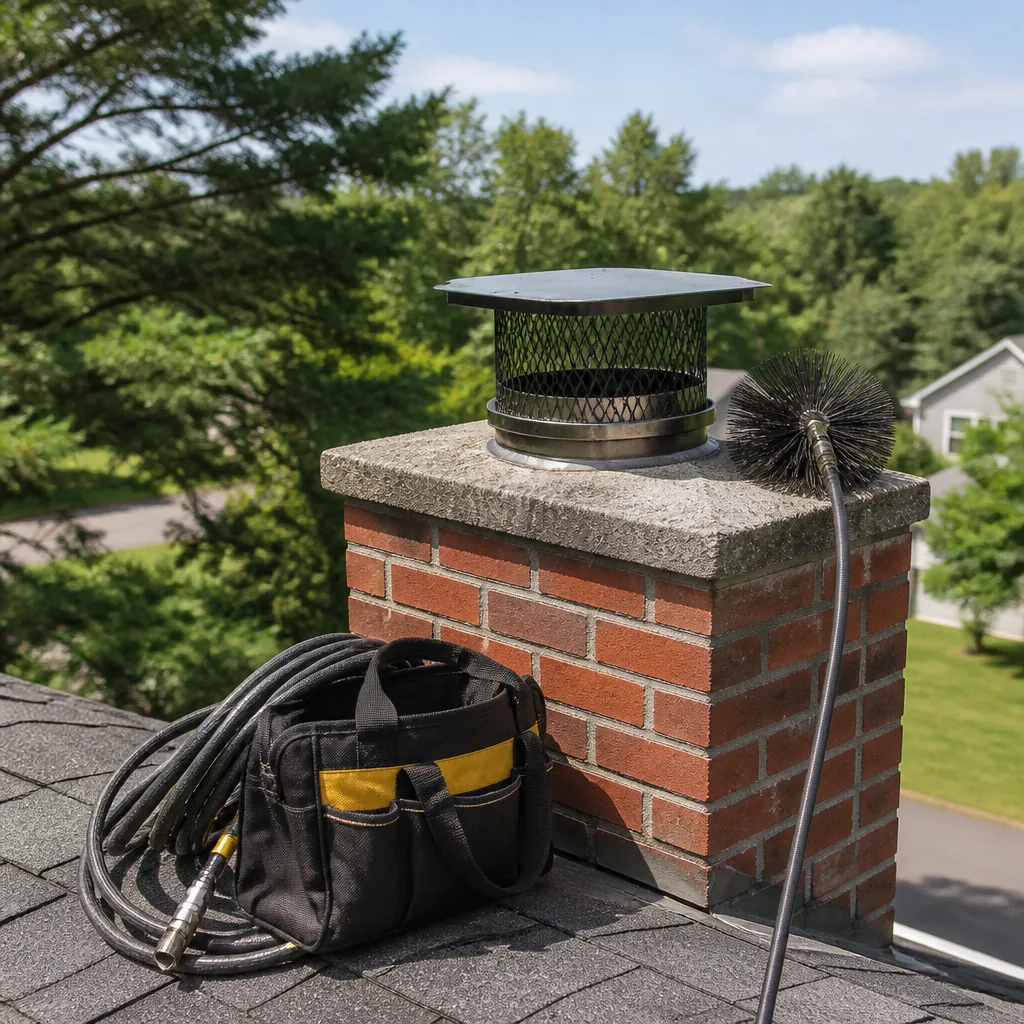
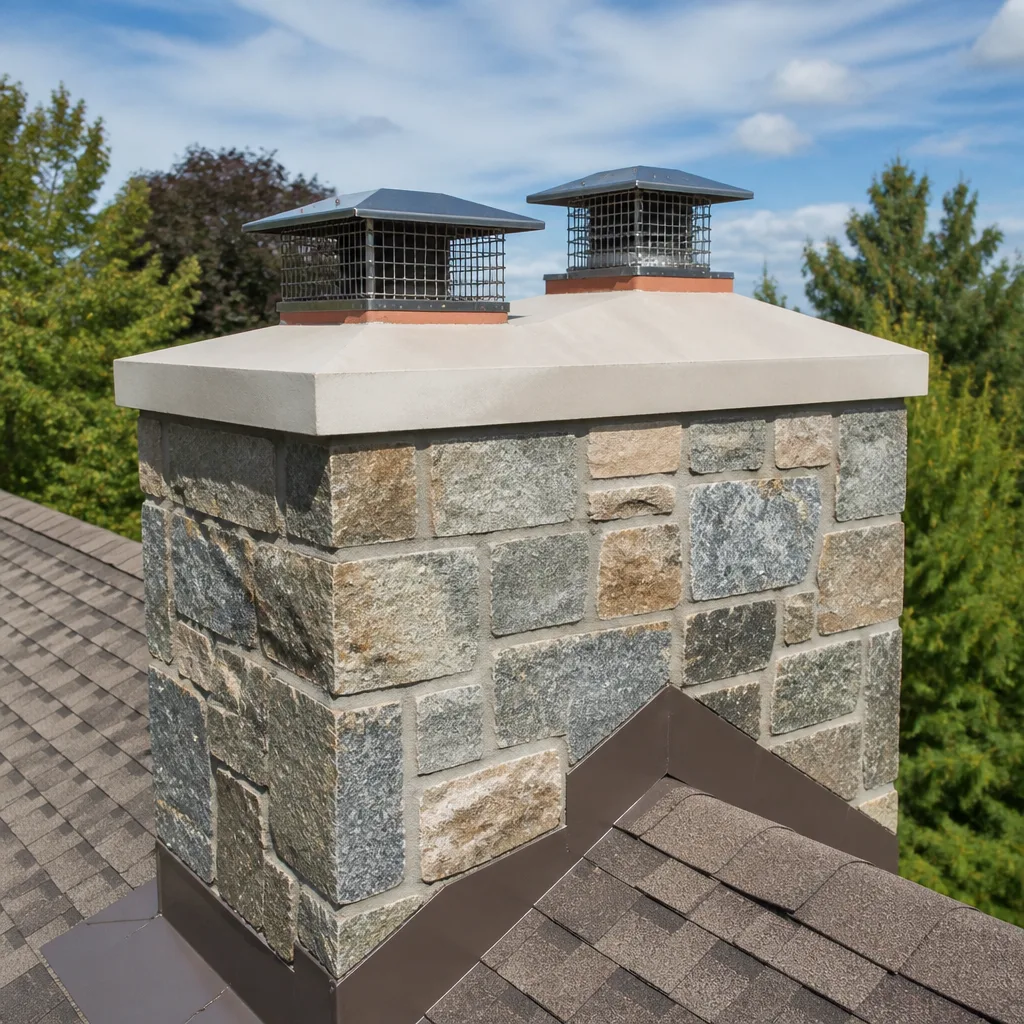 Caps & crowns
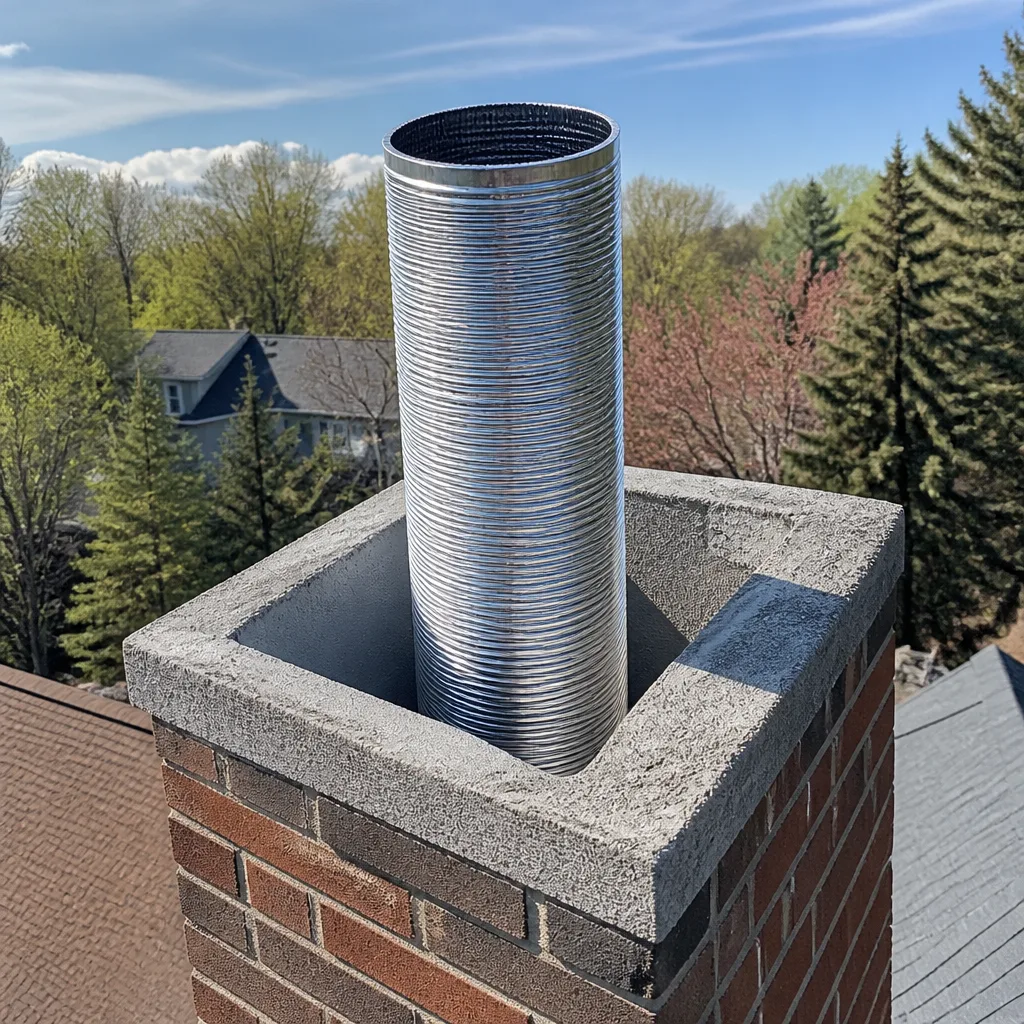 Flue relining
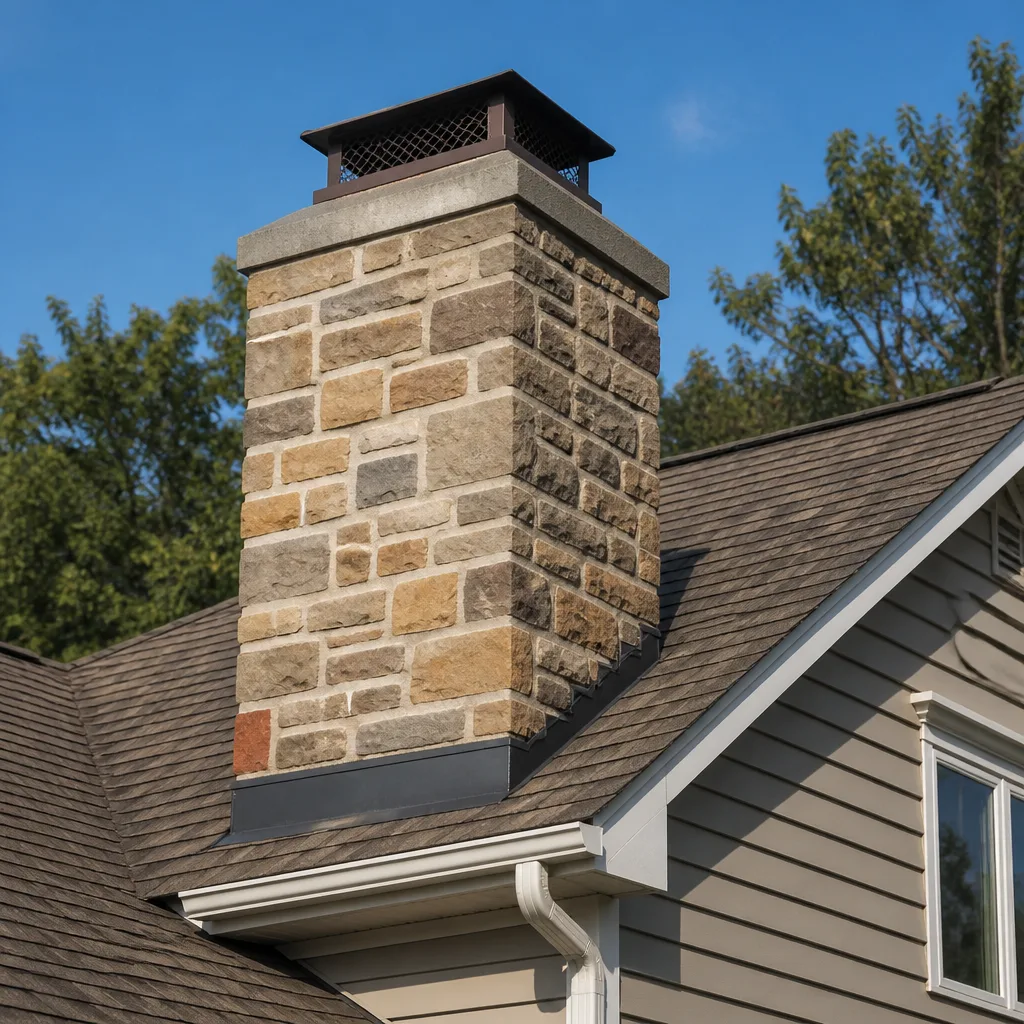 Masonry repair
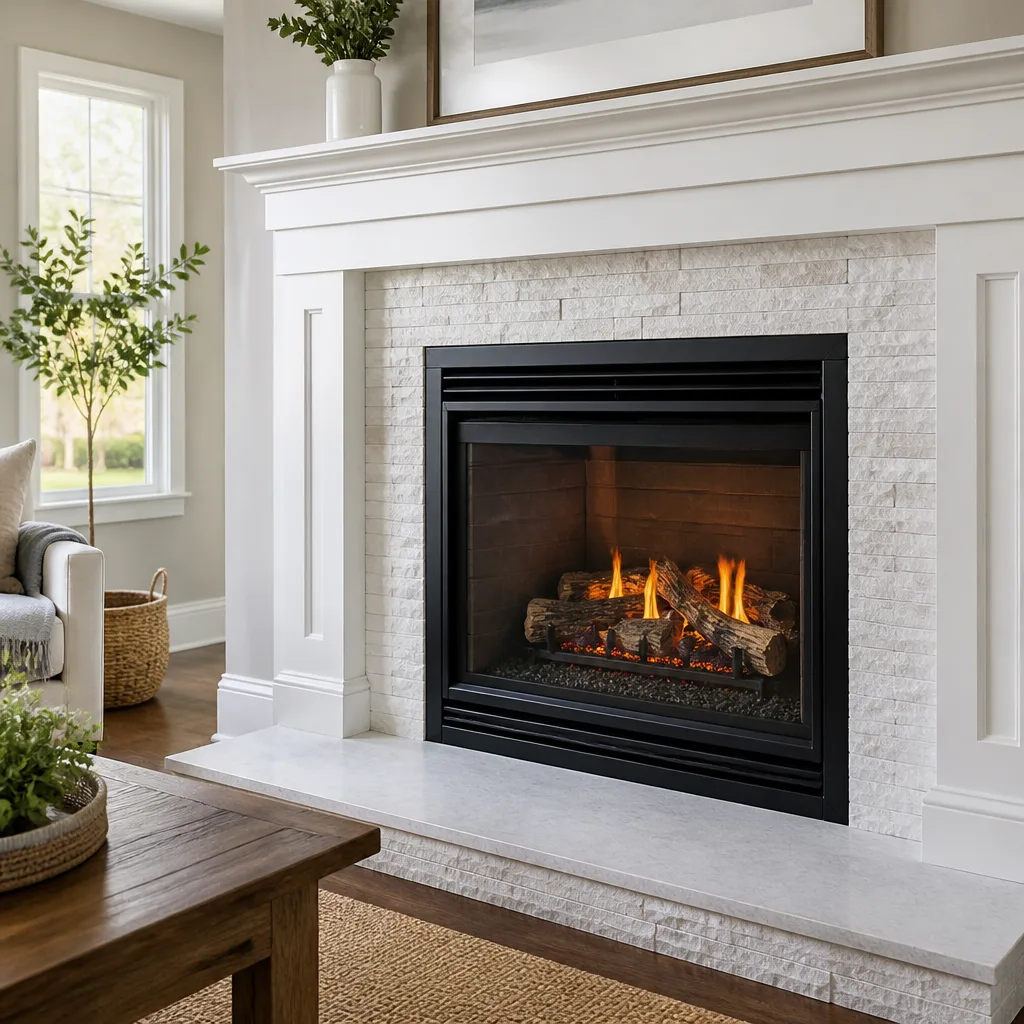 Gas fireplace service
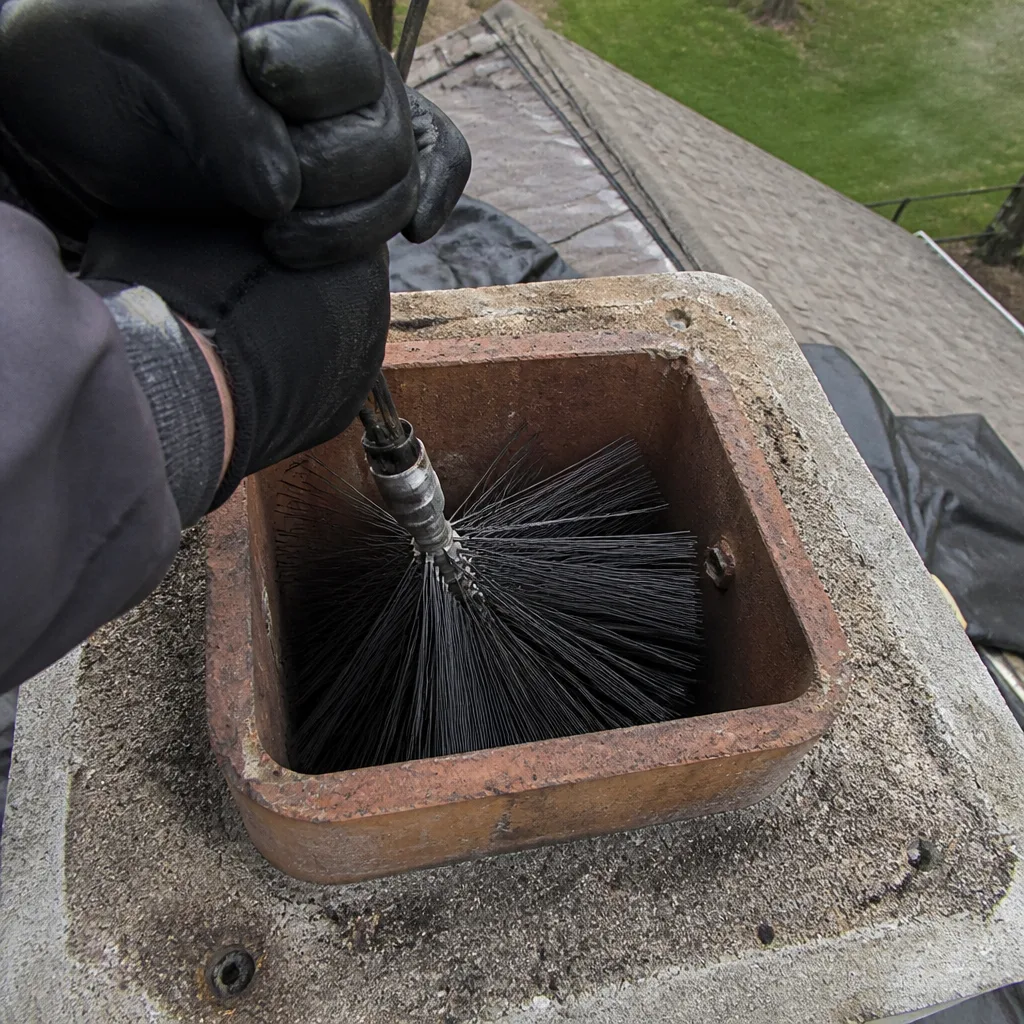
Level 1 sweep and inspection to the NFPA 211 annual standard - flue, crown, cap, and flashing checked and photographed
Chimney sweep logs do not sweep chimneys. They loosen some creosote - which then falls where a brush and vacuum still have to collect it.
Chimney Cleaning Warning Signs: A Southeast Raleigh Homeowner’s Reference Guide
A sulfur smell drifting from a cold fireplace on a damp day is not the same problem as a sulfur smell that shows up mid-burn, and treating them as one issue will send you toward the wrong repair. That’s the mistake we see most often: homeowners lump every chimney symptom into a single bucket called “needs cleaning,” when the smell, the stain, the draft, and the smoke each point at different parts of the system. This guide maps specific, observable signs to their most likely causes, so when you call a technician you can describe what you’re actually seeing and smelling. It’s written for the older housing stock and Piedmont weather that shape chimney problems here in Southeast Raleigh.
Quick Answer
Chimney warning signs fall into two groups: watch-and-schedule signs (musty smells, light creosote staining, minor exterior weathering) and stop-using-the-fireplace-now signs (acrid tar smell with heavy smoke, rusted-through damper, displaced cap, white staining plus crumbling mortar, or smoke rolling back into the room). The first group means book a sweep and inspection soon. The second means put the fire out, keep the flue closed, and get the system inspected before the next burn. Matching the symptom to its probable cause is what turns a vague worry into an accurate, efficient service call in Southeast Raleigh.
Styles & brands we work with
- Sweep & inspection
- Caps & crowns
- Flue relining
- Masonry repair
- Gas fireplace service
Table of Contents
- What Different Smells Are Telling You
- Interior Signs You Can See in the Firebox
- Draft Behavior as a Diagnostic Tool
- Exterior Signs You Can Read From the Ground
- Which Signs Mean Watch, and Which Mean Stop
- How a Proper Inspection Reads These Clues
- Common Mistakes to Avoid
- When to Call a Professional
What Different Smells Are Telling You
Smell is the most misread chimney symptom because the same word (“chemical,” “smoky,” “off”) gets used for four different failures. Here’s how we separate them.
Musty or mildew smell. This points at moisture, not fire. Water is getting into the flue, the smoke chamber, or the firebox and staying there. In Southeast Raleigh, where our muggy summers and heavy late-afternoon thunderstorms push humidity into masonry that’s already a little porous, a musty smell on a damp day is an early water-intrusion signal. Left alone, it moves from smell to staining to mortar damage.
Acrid, tarry, or creosote smell. This is a byproduct of incomplete combustion and creosote buildup inside the flue. It’s the smell that gets stronger when it’s humid out, because moisture reactivates the deposits. An acrid smell with a heavy, sticky quality usually means there’s enough creosote that a sweep is due, and if it’s paired with the burn symptoms below, it becomes a stop-and-inspect sign.
Sulfur or rotten-egg smell. A sulfur smell from a cold fireplace on a rainy day is nearly always moisture interacting with deposits and masonry organics – it’s a water and creosote signal, not a gas signal. A sulfur smell that appears during a burn, or near a gas log set or gas fireplace, is different: it can indicate a gas-side issue and warrants shutting the appliance off and having it looked at before you light anything again. This is the single most important distinction in this guide.
Burning plastic or chemical smell. This suggests foreign debris in the flue or flue liner degradation – a plastic bag, a bird’s nest, or a damaged liner component giving off fumes when heated. Stop burning and get an inspection.
Interior Signs You Can See in the Firebox
You don’t need tools to read the inside of your firebox. A flashlight and a few minutes tell you a lot about what’s happening structurally. Here’s what to look for and what each sign means.
- White, chalky staining on firebox walls. This is efflorescence – mineral salts left behind when moisture moves through masonry and evaporates. It means water is traveling through the brick or mortar, often from a failed crown or a missing cap above.
- Black streaking above the damper. A thin dark line at the damper is normal. Thick black streaking that climbs up the smoke chamber signals heavy creosote deposition and, often, a draft that’s pushing smoke back rather than up. It’s a strong cue that a sweep is overdue and the flue should be assessed for sizing or obstruction.
- Rust or corrosion on the damper plate. Rust on a metal damper means moisture has been sitting in the flue. A damper that’s rusted stiff or won’t seat is a sign water intrusion has been going on long enough to affect metal, not just masonry.
- Crumbling mortar joints between firebricks. Soft, sandy, receding mortar in the firebox signals heat and moisture damage. This is a repair item, and it’s worth catching before it reaches the surrounding structure.
- Cracked or spalling firebrick. Firebrick that flakes, cracks, or breaks away lets heat reach the mortar and framing behind it. Stop using the fireplace until it’s assessed.
In our experience across Southeast Raleigh’s older homes, white staining and rusted dampers often show up together – a single water path, two symptoms. That’s why crown and cap work so frequently pairs with interior repair.
Draft Behavior as a Diagnostic Tool
Draft is where homeowners guess most and where a little structure helps. A chimney that isn’t pulling properly has one of three root causes: a pressure problem, a blockage, or a liner sizing problem. Here’s how to tell which one you’re dealing with – and what each means for the repair.
- Pressure problem. The chimney drafts poorly on some days and fine on others, or smokes only when the house is tightly sealed, when a kitchen or bath fan is running, or when the furnace kicks on. That’s a house-pressure issue: the chimney is competing with other exhaust for air. A technician confirms it by testing draft with the house closed up, not just the fireplace.
- Blockage. The draft is consistently weak, smoke enters the room regardless of weather or house conditions, and it’s often paired with a debris or animal smell. A blockage – nest, fallen masonry, soot accumulation – needs a camera inspection to find and clear.
- Liner sizing problem. The fireplace has always smoked, especially at startup, and the house is otherwise fine. An oversized or undersized flue, or a flue that never had a properly sized liner, drafts poorly by design. A liner assessment (and sometimes a properly sized liner install, using a product like DuraFlex) resolves it.
Reading which of these three you have before the technician arrives tells them a lot. “It smokes on windy days” and “it smokes every time, but only at first light” point at different causes, and being precise speeds up the diagnosis.
Exterior Signs You Can Read From the Ground
Much of what a technician will check can be spotted from your yard. Walk out and look up. Here’s what a trained eye is reading, so you can read it too.
- Staining below the crown. Streaks running down the chimney sides from just under the crown mean the crown is cracked or failing, letting water in at the top. The crown is one of the two most common points of water intrusion, which is why we treat crown work as its own service, not an afterthought.
- A displaced or missing cap. A cap that’s tilted, rusted, or gone lets water, debris, and animals straight into the flue. It’s the other primary water-intrusion point. A chimney cap seals the top of the system before anything reaches your flue.
- Missing or recessed mortar at the corbel. Where the chimney widens (the corbel), mortar that’s washing out or receding is a structural signal. Water is getting into the masonry joints, and over time that eats load-bearing capacity.
- Spalling brick or flaking faces. Brick faces that are peeling, crumbling, or flaking off mean moisture is cycling through the masonry. Combined with roof staining it’s a strong signal the top of the chimney needs repair sooner rather than later.
- Rust stains on the flashing or crown. Rust weeping from the cap or crown hardware tells you water has been sitting where it shouldn’t for a while.
None of these require a ladder to notice. If two or more are present, a structural inspection is the next step, and it’s worth booking.
Which Signs Mean Watch, and Which Mean Stop
Homeowners tend to either under-react (burning through a real hazard) or over-react (shutting everything down over a normal, minor sign). Here’s the tier that sorts them.
Tier 1 – Watch and schedule. Musty smell on damp days. Light creosote staining. A thin line of dark above the damper. Minor rust on the damper. Some weathering at the crown. These are worth a sweep or inspection on your next round of maintenance, but they aren’t emergencies. Book it and keep using the fireplace if it burns cleanly.
Tier 2 – Schedule promptly. A persistent acrid tar smell. Thick black streaking that’s growing. Strong exterior staining below the crown. A cap that’s tilted but still present. Crumbling mortar joints you can dig into with a fingernail. These say the system needs attention before the next heating season’s worst weather, not after.
Tier 3 – Stop using the fireplace now. Acrid smell plus actual smoke in the room. A rusted-through or non-seating damper. White staining that’s paired with spalling and loose masonry. A missing or badly displaced cap with visible interior staining. A sulfur smell during a burn or near a gas log set. Smoke rolling back into the room on every fire. In these cases, put the fire out, keep the damper as closed as it will safely go, and get an inspection before you burn again.
The key is that you don’t have to diagnose the cause. You only need to place your symptom in the right tier. That places the call accurately.
How a Proper Inspection Reads These Clues
An inspection is a diagnostic process, not a sales pitch. Here’s what a professional inspection does with everything you’ve noticed.
- Confirms the symptom. We ask what you’ve seen or smelled and when – cold day or burning, rainy or dry – and match it against the physical evidence.
- Camera inspection of the flue. A camera shows the lining, any cracks, any gaps at joints, and any debris or animal materials. This is what separates a real diagnosis from a guess.
- Checks the top of the system. Crown, cap, flashing, and the mortar joints at the corbel – an inspection that stays inside the firebox and never looks at the crown isn’t a complete inspection.
- Assesses the liner. If the flue has an internal liner, we verify its condition and fit. A worn liner that can be resurfaced may not need full replacement.
- Writes up findings with evidence. You see the photos and the camera footage. We don’t recommend a liner replacement or a masonry rebuild you can’t verify.
We work with HeatShield for liner resurfacing because it lets us repair a failing liner in cases where replacement is overkill – a repair-based option most generalists skip. We choose DuraFlex for liner installs because the material is dependable and widely specified. The point isn’t the brand name. It’s that you get a repair when repair is appropriate, and a replacement when the liner truly needs one. A standalone chimney inspection in Southeast Raleigh is available on its own, so you can get the diagnosis before committing to any work.
Common Mistakes to Avoid
These are the errors that cost the most, either in safety or in money spent on the wrong service.
- Treating all smells the same. A musty smell is a water problem; an acrid smell is a creosote problem; a sulfur smell during a burn is a gas-side problem. Each needs a different response, so lumping them together delays the right repair.
- Skipping the crown and cap because they look fine from the kitchen window. The two most common points of water intrusion are the crown and the cap, and both look deceptively normal from inside. Get them checked from the top during your inspection.
- Replacing a liner that could be resurfaced. If a generalist only knows how to install full liners, you’ll get a full liner every time. An assessment by someone who works with repair systems like HeatShield and brands like Gelco and Olympia Chimney gives you an honest repair-or-replace decision.
- Burning through a stop-tier sign because it “cleared up.” A rusted damper or popping firebrick that seems calm can still be a hazard. Stop burning, then inspect; don’t wait for the next cold snap.
- Hiring a generalist for a chimney problem. Chimney work is its own trade, with its own tools, materials, and code. A handyman dabbling in fireplaces is the wrong call for a structural or liner issue.
- Ignoring exterior staining until it reaches the roofline. Staining below the crown is early water intrusion. Once it reaches the roofline, you’re looking at structural chimney cap & crown repair and possibly more. Get the top checked while it’s still a small fix.
- Letting your firebox repairs wait because the fire still lights. Whether it’s a cracked firebrick or receding mortar, small interior problems grow. A fireplace repair done early is simpler than one done after the structure has been damaged.
When to Call a Professional
Call a professional when you can place any symptom in the stop-use tier, when you’ve had the same musty or acrid smell for more than a season, or when you haven’t had an inspection in a while and can’t remember the last sweep. Also call if you’ve noticed exterior staining below the crown, a cap that’s shifted, or mortar that’s receding at the corbel. These are the signs that mean water is already inside the masonry. And if a sulfur smell shows up during a burn or near a gas log set, stop the appliance and call before lighting it again.
Chimney Sweep Southeast Raleigh offers free estimates in Southeast Raleigh. Call (833) 513-8676. We answer 24/7. Fast dispatch from 7am to 7pm, Sunday through Friday. The estimate is free, the diagnosis is backed by camera evidence you can see, and a written estimate sets the final price. Our technicians have up to 13 years of experience, and full-service chimney care means one specialist team handles the chimney sweep and any repair it finds, with no second contractor needed.
See the difference
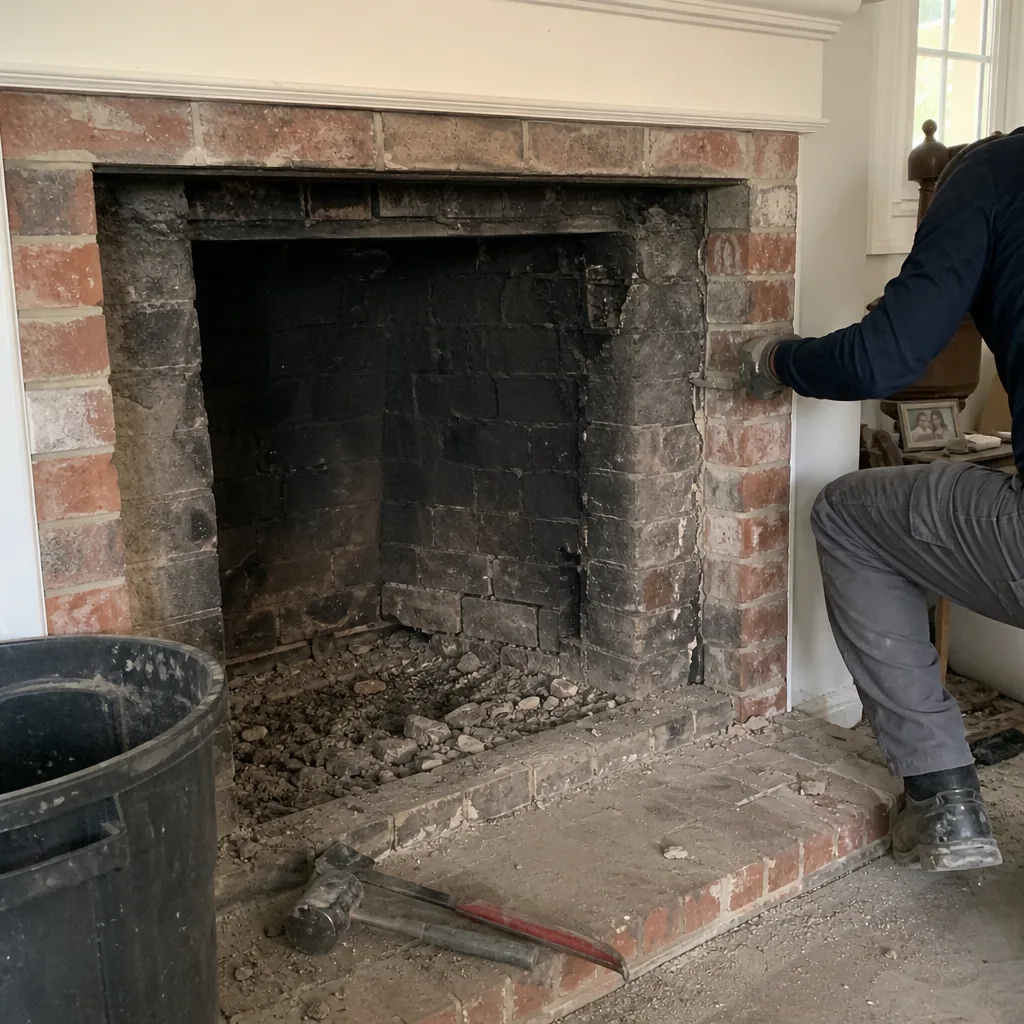 Before
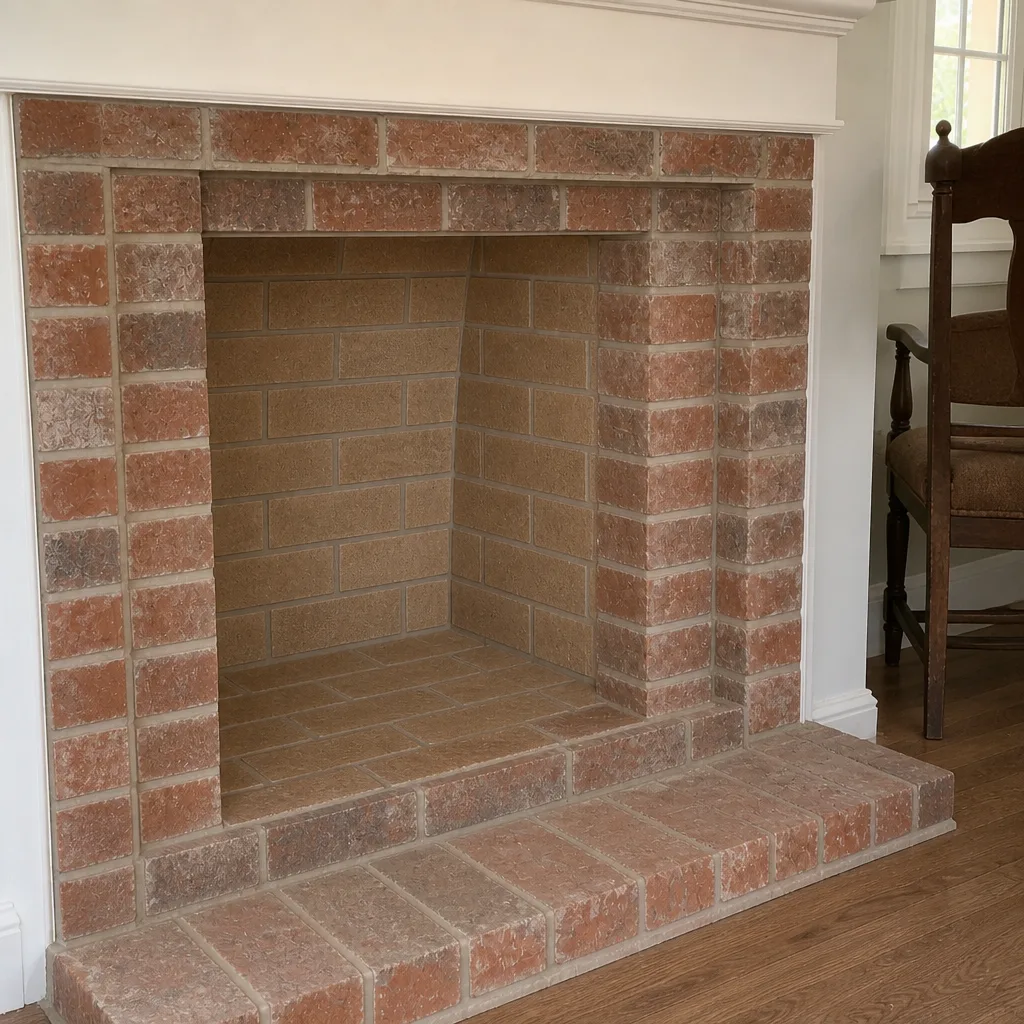 After
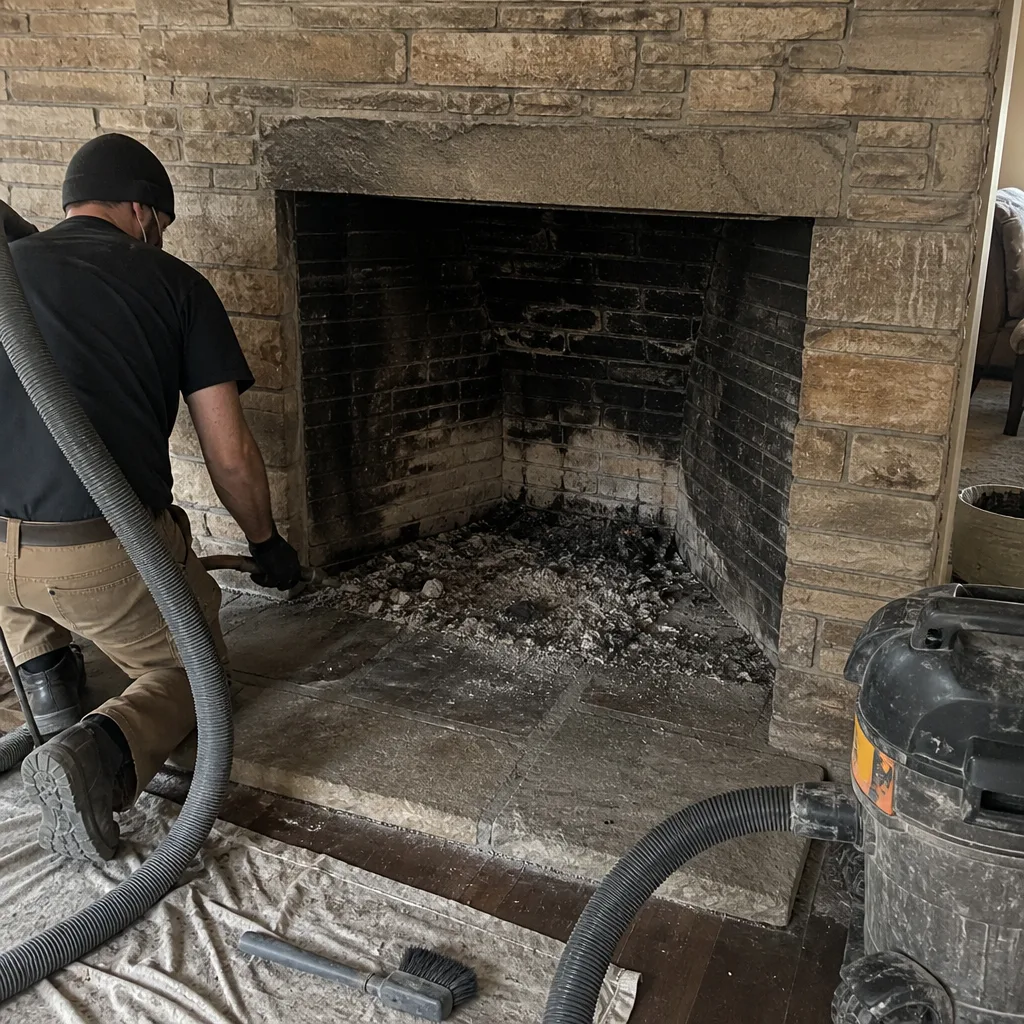 Before
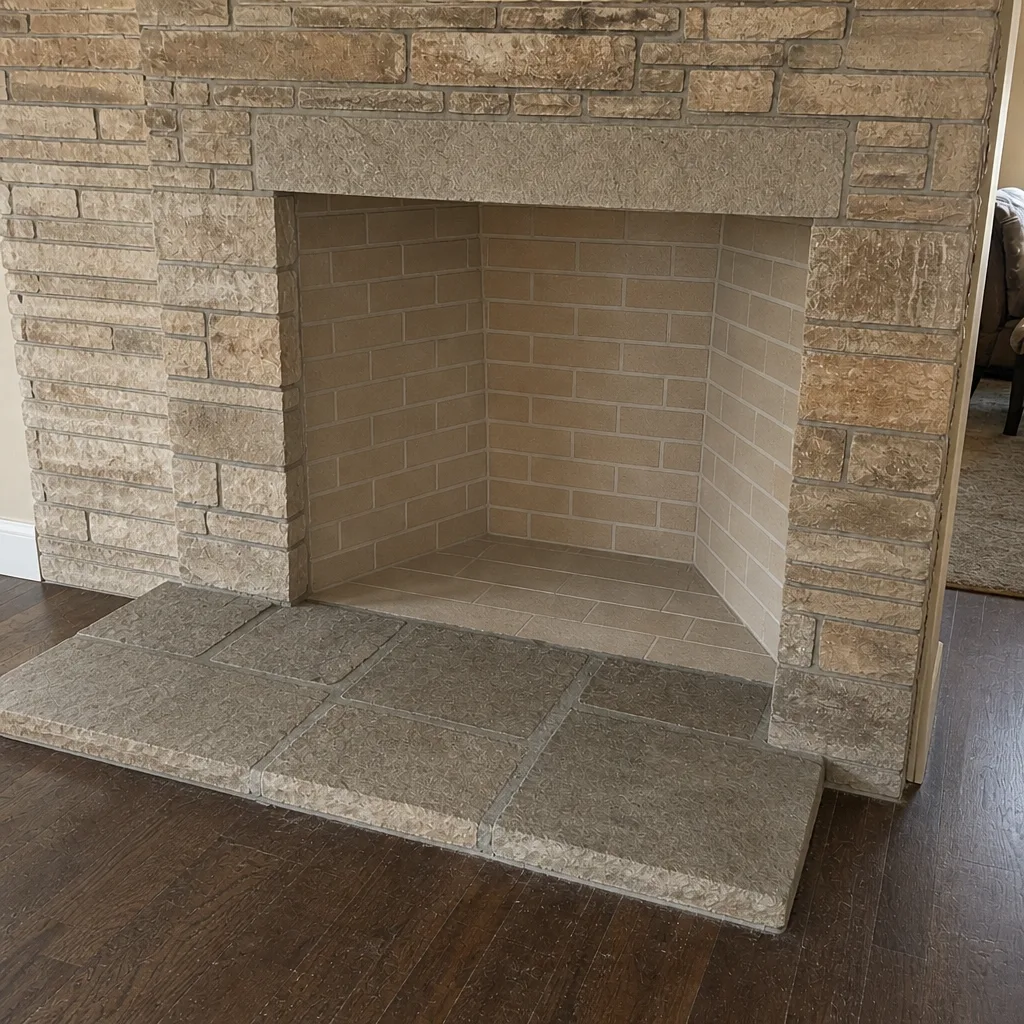 After
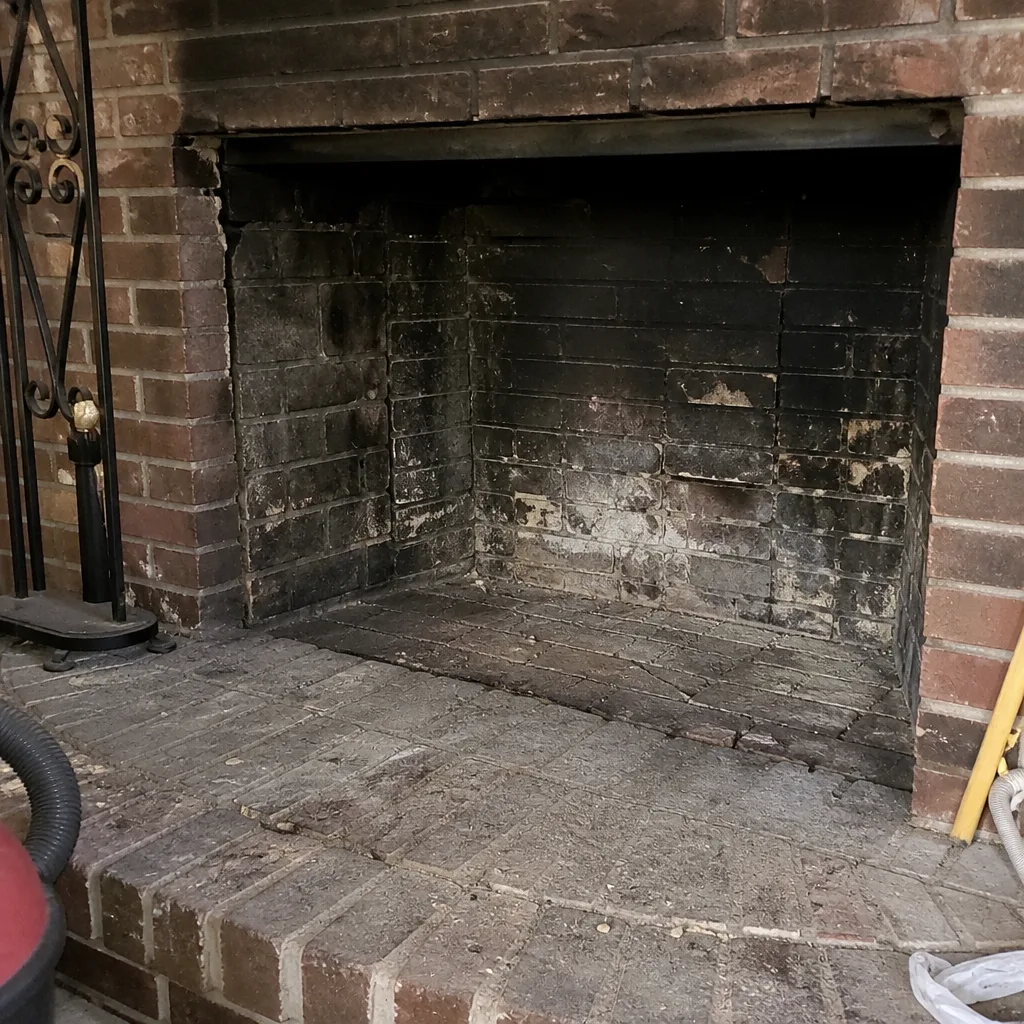 Before
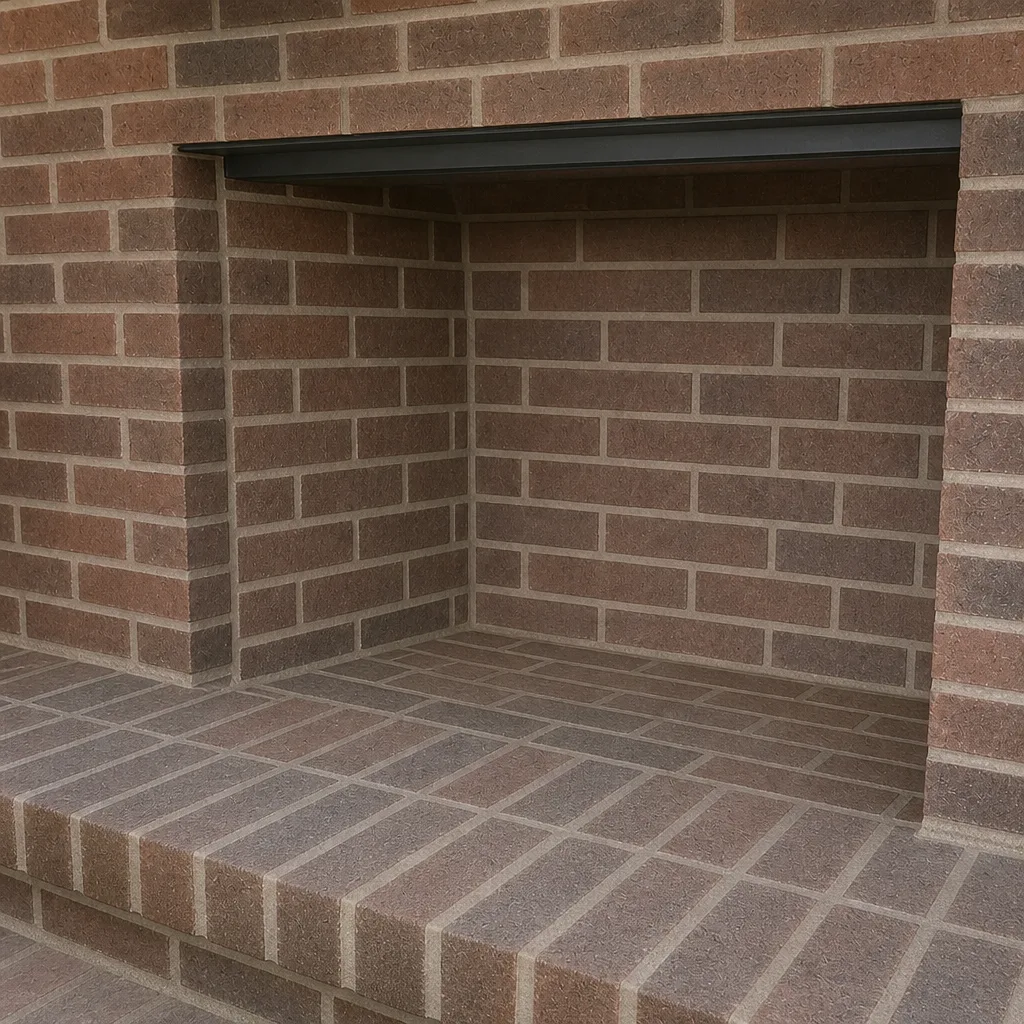 After
Frequently Asked Questions
A musty or mildew smell means moisture is getting into the chimney, usually through a failed crown or a missing or displaced cap, and sitting in the masonry. It’s the most common water-intrusion signal we see. On a damp day the smell reactivates, so you’ll notice it when it’s humid. It’s a Tier 1 watch-and-schedule sign, but it should prompt a top-of-chimney and interior check before it turns into staining and mortar damage. Call (833) 513-8676 for a free estimate.
It depends entirely on when you smell it. A sulfur smell from a cold fireplace on a rainy day is almost always moisture interacting with deposits and masonry, which is a water signal, not a hazard. A sulfur smell during a burn, or near a gas log set or gas fireplace, can indicate a gas-side issue, and you should shut the appliance off and have it looked at before using it again. Call (833) 513-8676 for a free estimate.
Back-drafting from a pressure problem shows up intermittently – the chimney drafts fine most days but smokes when the house is sealed, when exhaust fans run, or when the furnace cycles. A blockage causes consistently weak draft and smoke regardless of conditions, often with a debris smell. A liner sizing problem causes trouble from the first fire, usually at startup. A camera inspection confirms which one you’re facing. Call (833) 513-8676 for a free estimate.
It depends on the liner’s condition, which is why we inspect before we quote. When the liner is worn but not structurally failed, a resurfacing system like HeatShield can repair it rather than replace it. When the liner is cracked through or missing, a replacement with a product like DuraFlex is the right call. We assess the liner and show you the evidence so the decision is yours to make with real information. Call (833) 513-8676 for a free estimate.
Staining running down the chimney sides below the crown, a displaced or missing cap, and mortar receding at the corbel are all signs water is already inside the masonry. They’re worth a call before the next heavy weather. A thin stain or a single weathered brick can wait for your next scheduled inspection; multiple signs together should book an inspection promptly. Call (833) 513-8676 for a free estimate.
Some can. Musty smells, light staining, and minor damper rust are Tier 1 watch-and-schedule signs that can wait for your next service window. Stop-and-inspect signs like a rusted-through damper, popping firebrick, or smoke rolling into the room can’t wait. When we inspect, we’ll tell you plainly if work can safely wait – you won’t be sold a job that doesn’t need doing yet. Call (833) 513-8676 for a free estimate.
The Bottom Line
Chimney warning signs are diagnostic clues, not a single vague category. Musty smells point at moisture, acrid smells point at creosote, and sulfur during a burn points at a gas-side issue. White firebox staining and rusted dampers point at water intrusion, while smoke in the room and popping firebrick point at a stop-burn problem. Reading your symptom accurately and placing it in the right severity tier is what turns a worrying guess into a precise, efficient service call. When you’re ready to get it looked at, a Southeast Raleigh sweep and inspection with camera evidence gives you a straight answer, and a written estimate sets the final price. Call (833) 513-8676 for a free estimate.
Written by the team at Chimney Sweep Southeast Raleigh.